Max Liebermann
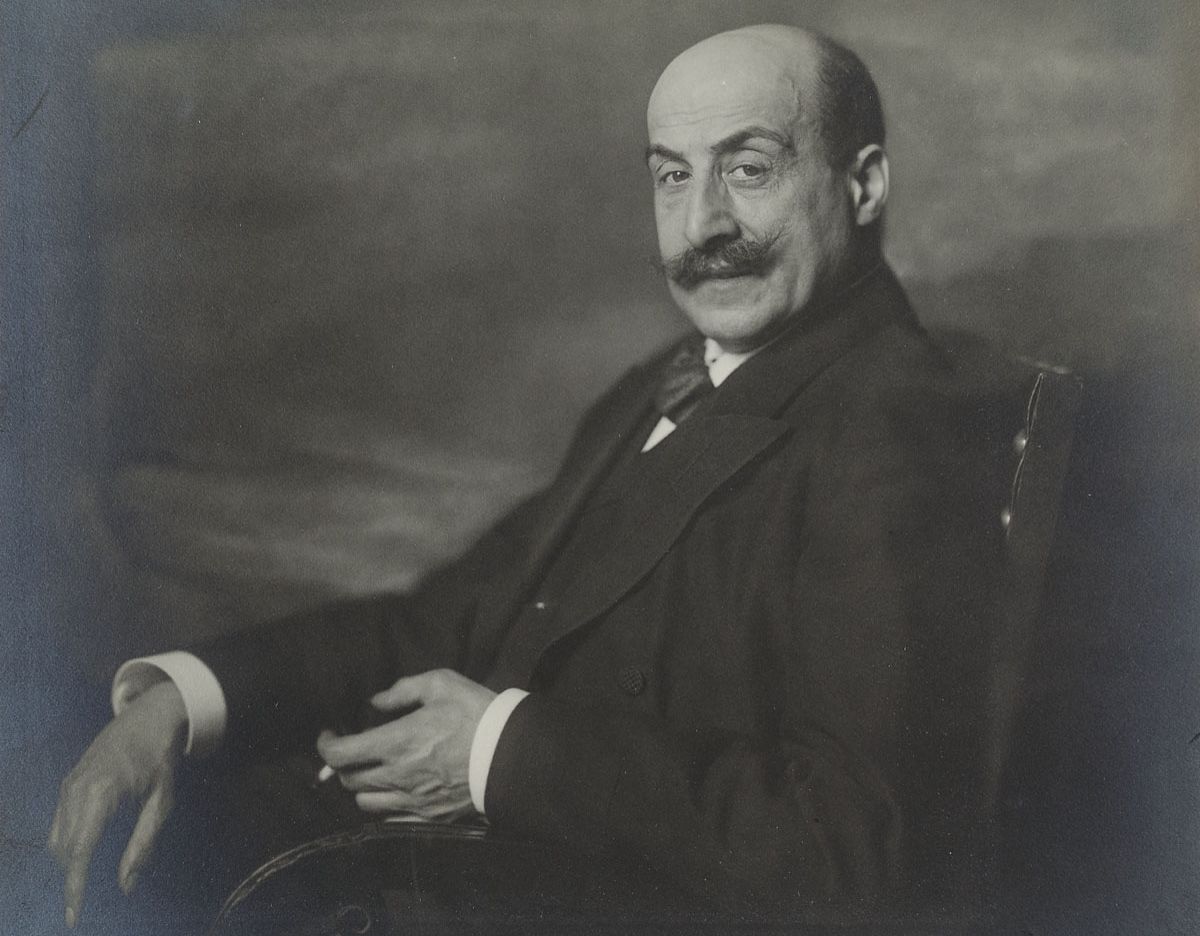
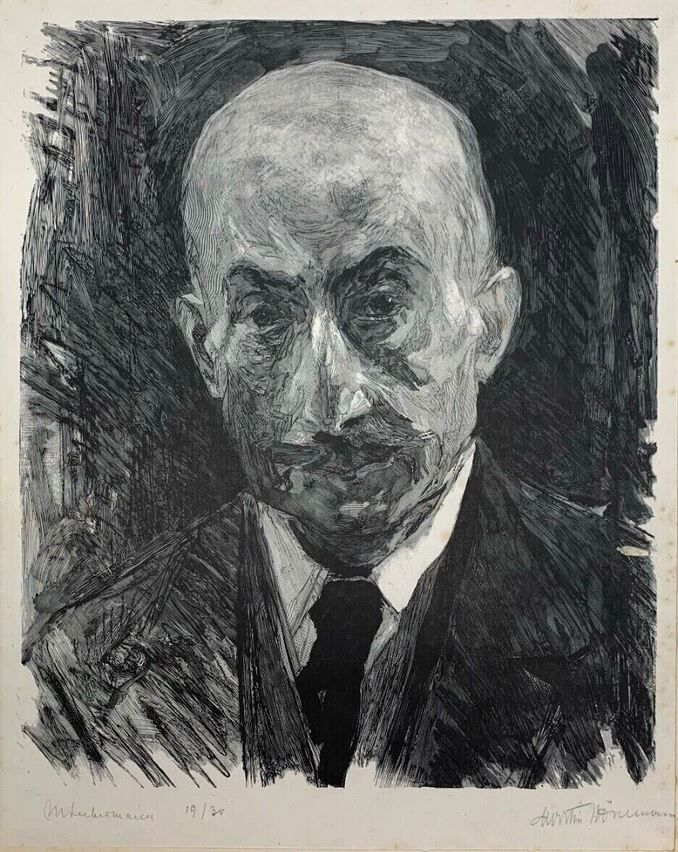
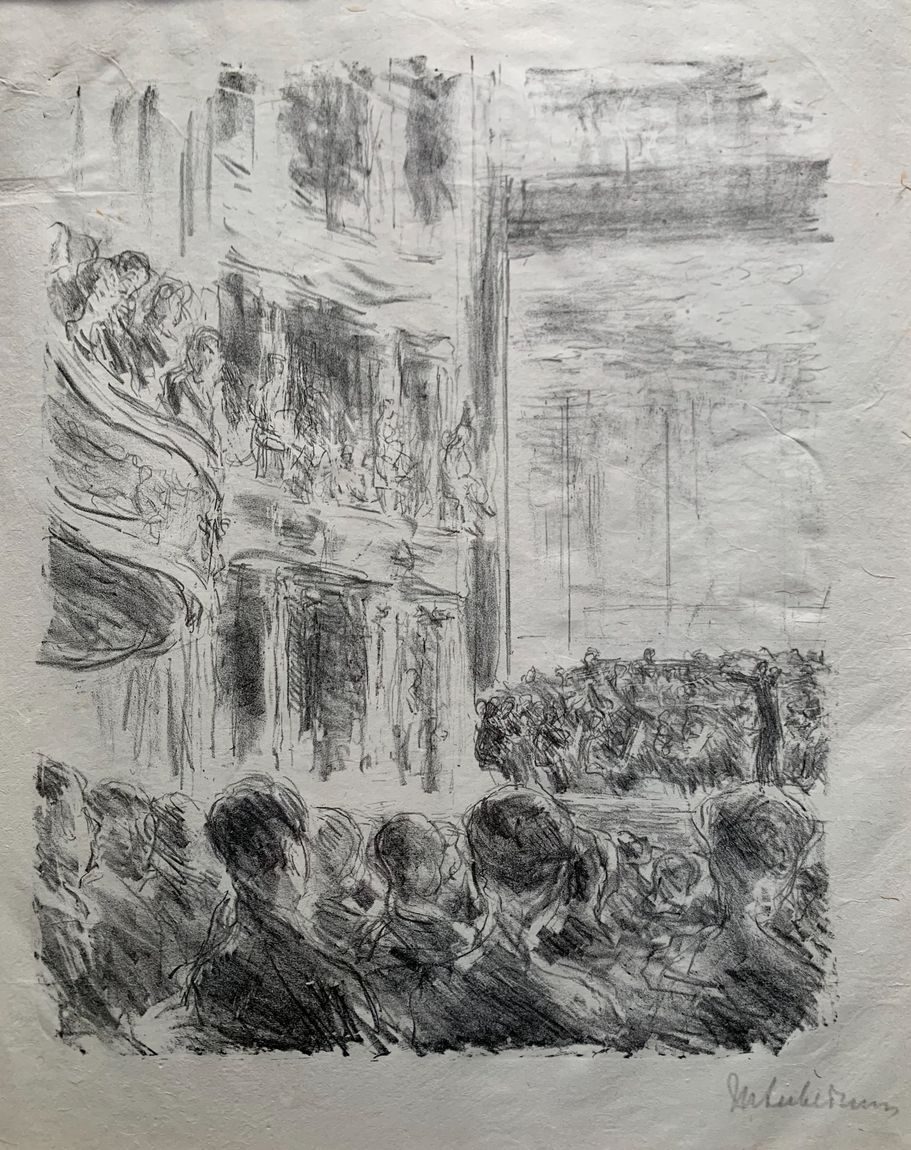
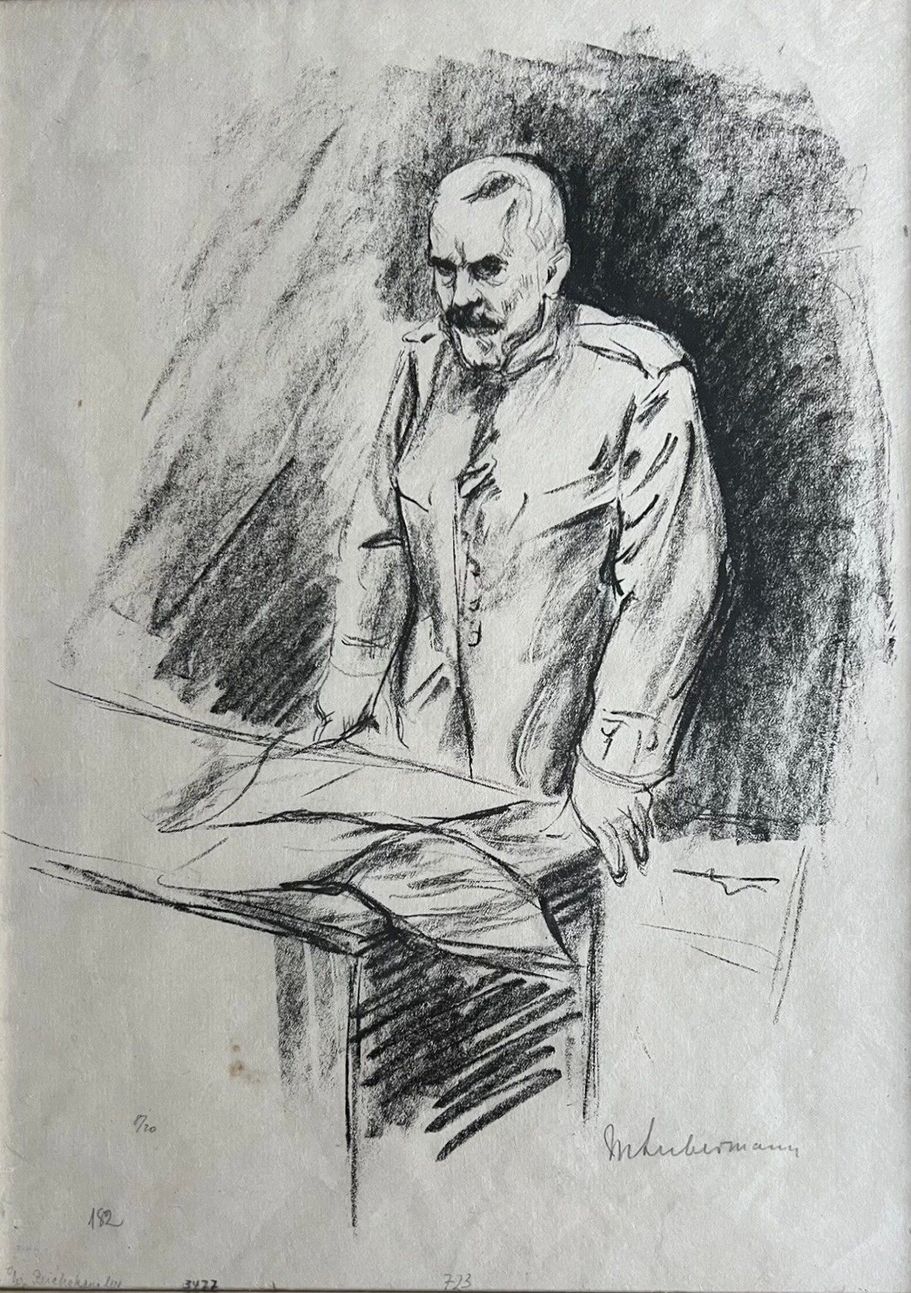
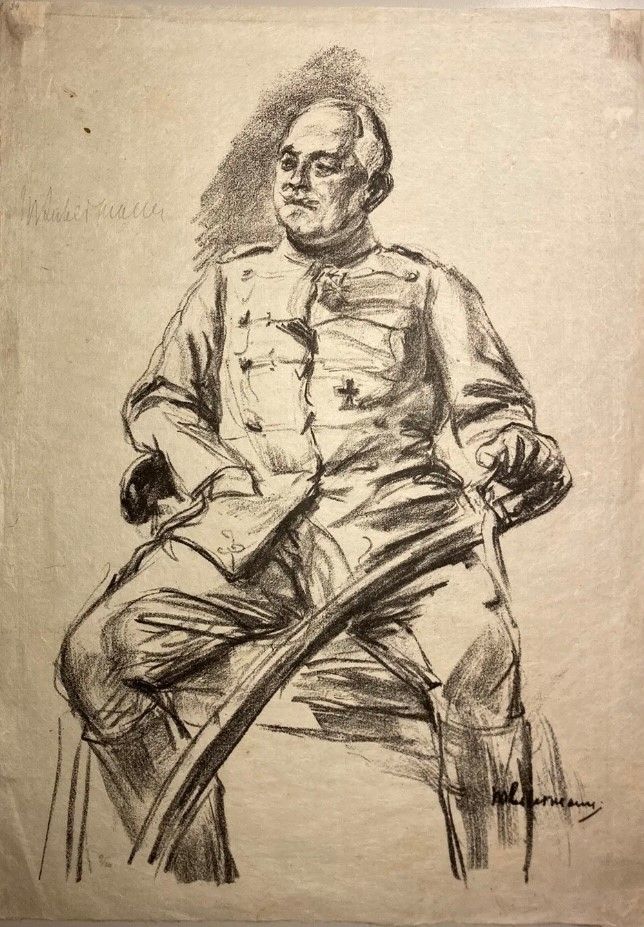
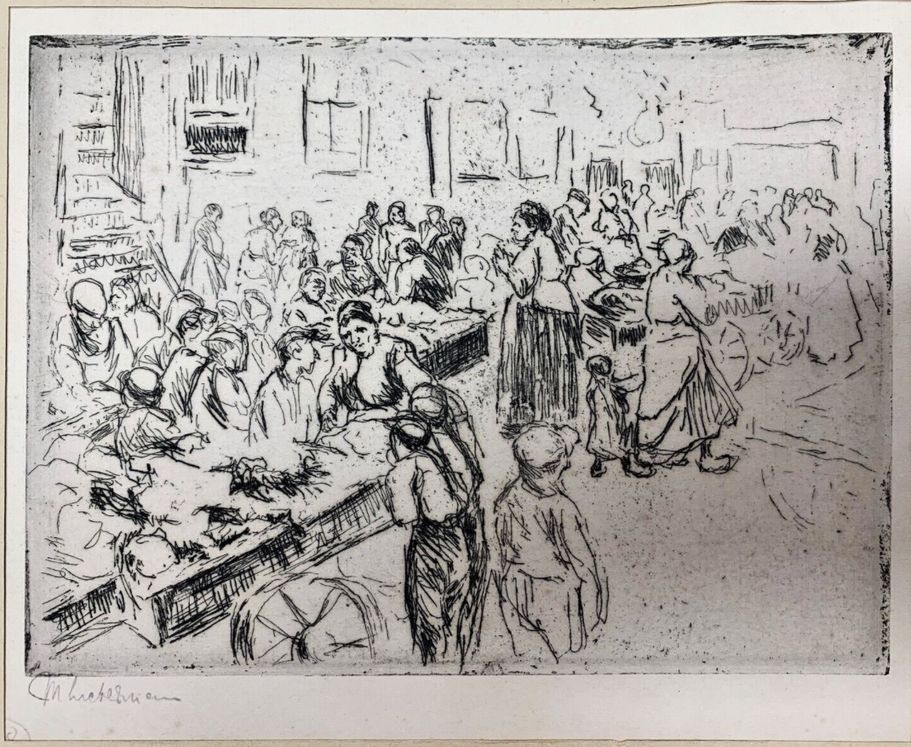
Max Liebermann (1847–1935) is regarded as one of the most important German painters and printmakers at the threshold of modernism. Beginning with Realism, he developed an increasingly luminous painting style influenced by Impressionism and became one of the leading representatives of German Impressionism.
As a co-founder and long-serving president of the Berlin Secession, Liebermann played a decisive role in shaping the development of modern art in Germany. Alongside his paintings, he left an extensive body of graphic work in which portraits, figure studies and observations of social life occupy a prominent place.
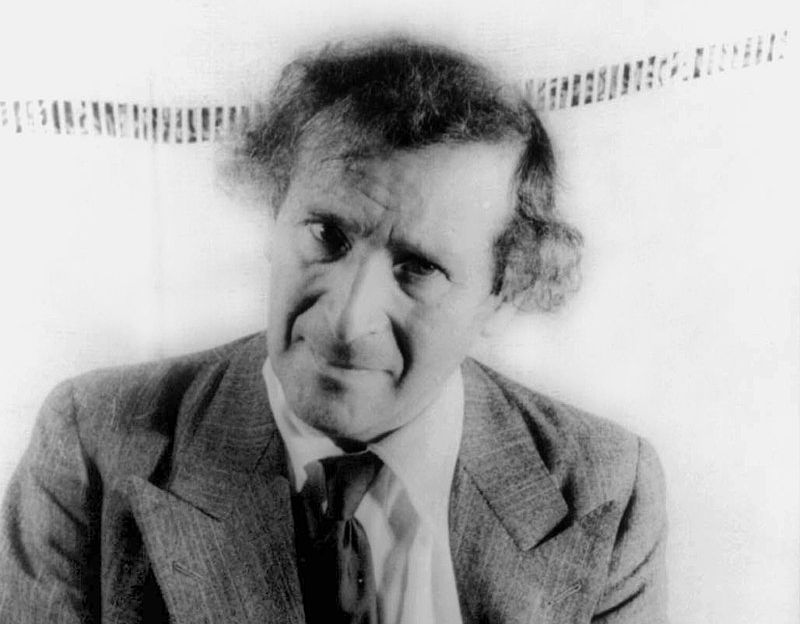
Marc Chagall
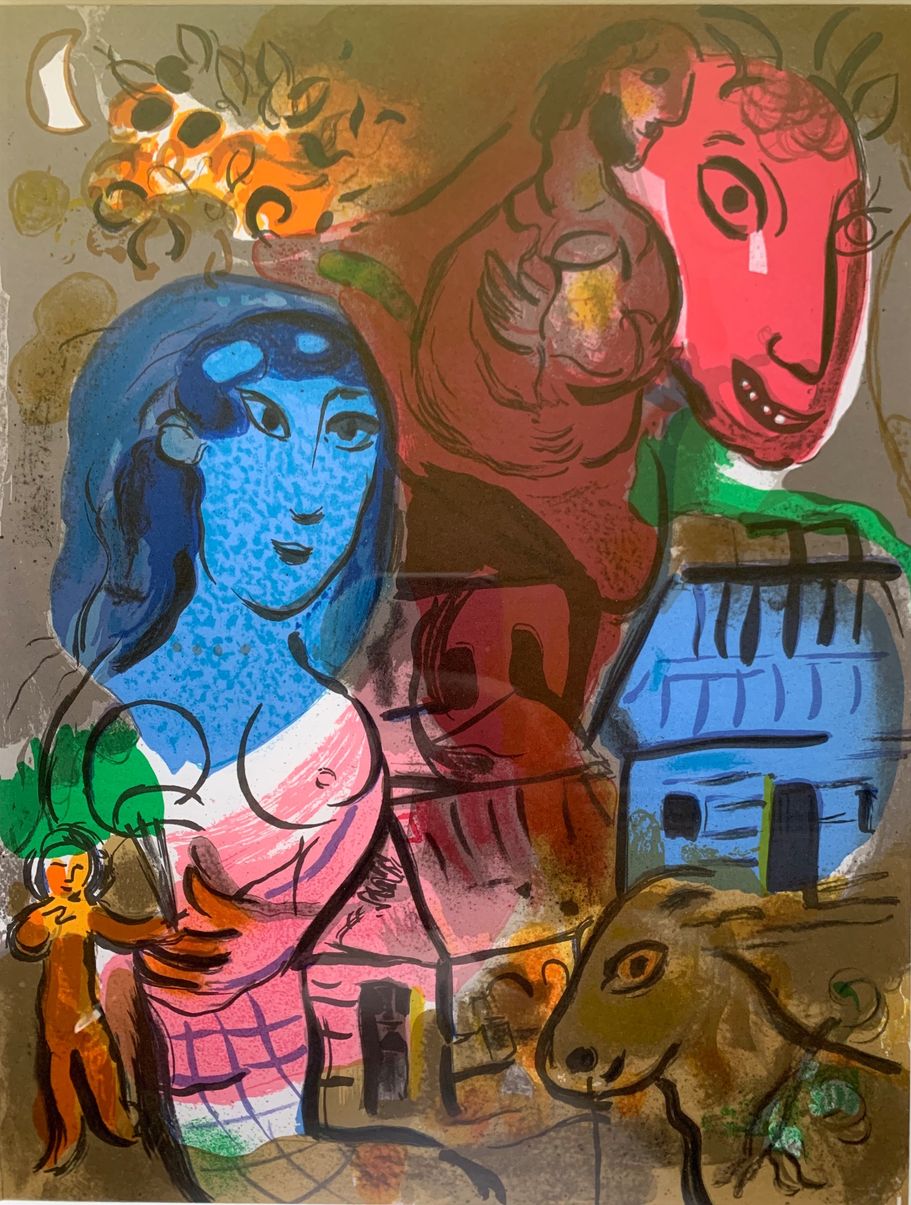
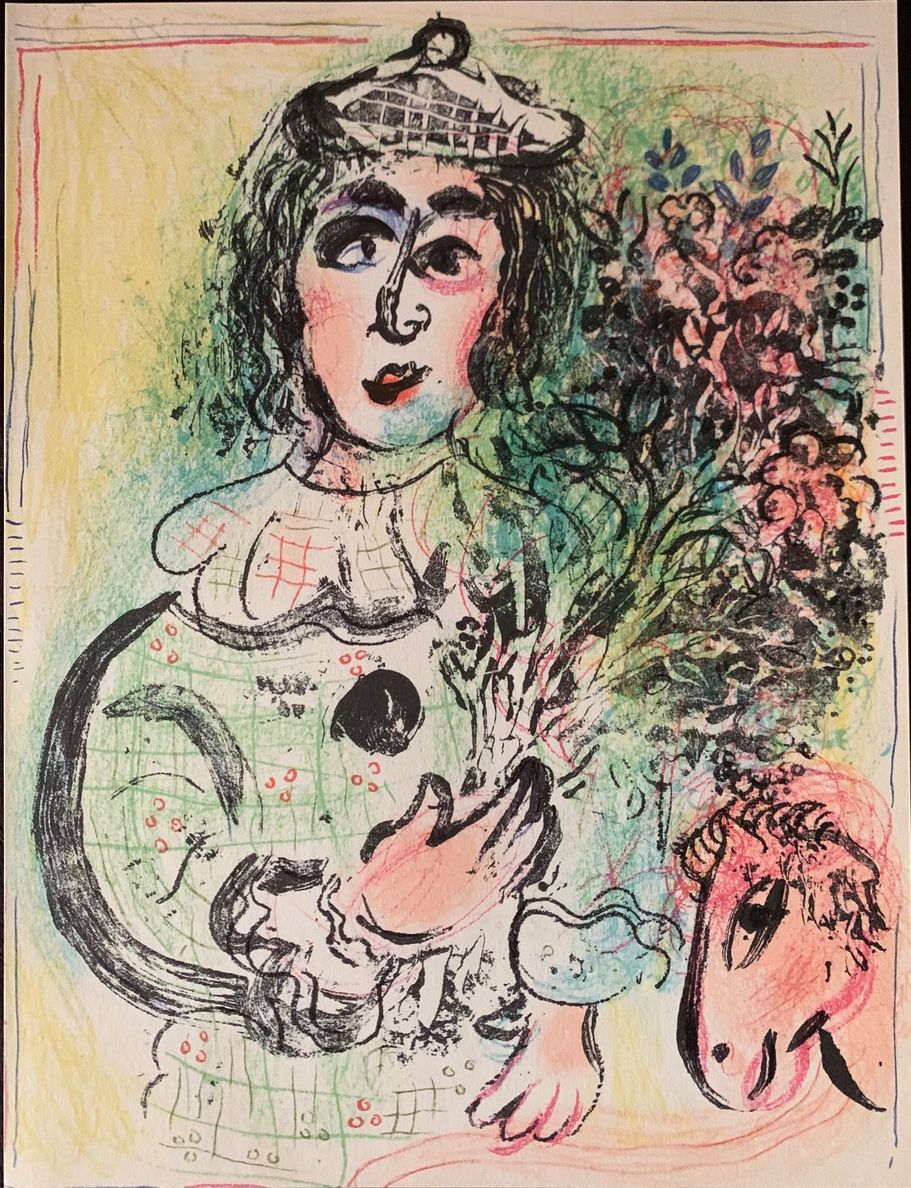
Marc Chagall (1887–1985) is regarded as one of the most important artists of European modernism. In his distinctive visual universe, memories of his Eastern European Jewish heritage merge with themes of love, religion, the circus and music, creating a poetic, often dreamlike world of imagery.
Chagall's work defies clear classification within any single movement of modern art. His art is characterised by intense colours, floating figures and a richly symbolic visual language. Alongside his paintings, Chagall produced a significant body of graphic work that contributed substantially to his international reputation.
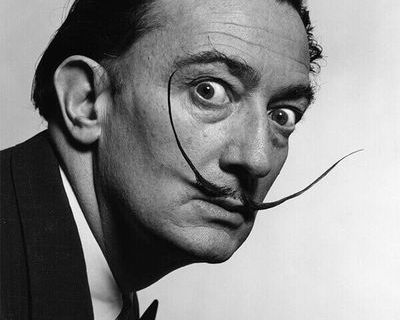
Salvador Dali
Salvador Dalí (1904–1989) is regarded as one of the most important and influential representatives of Surrealism. His unmistakable visual language combines technical precision with dreams, imagination and an often unsettling transformation of visible reality.
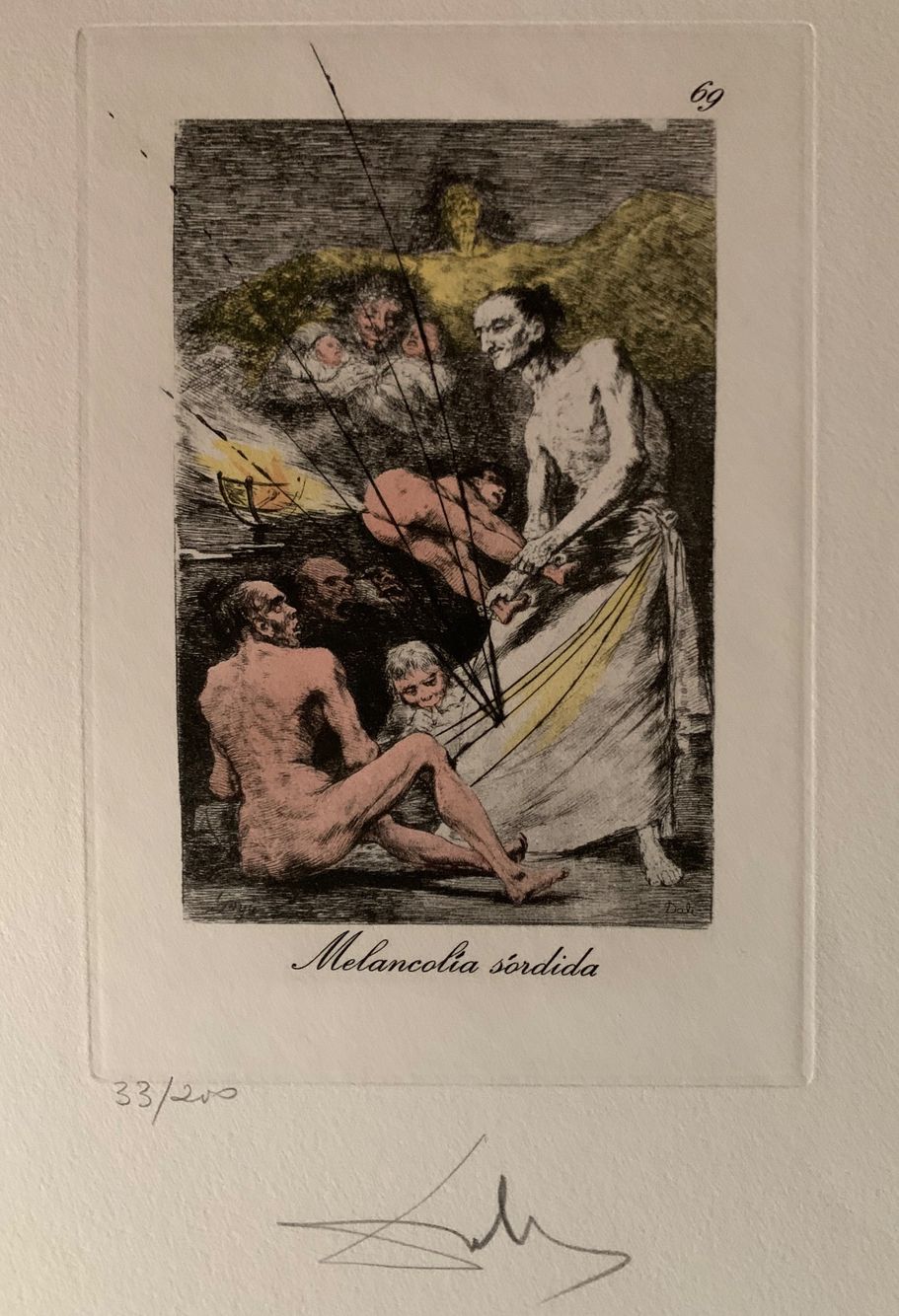
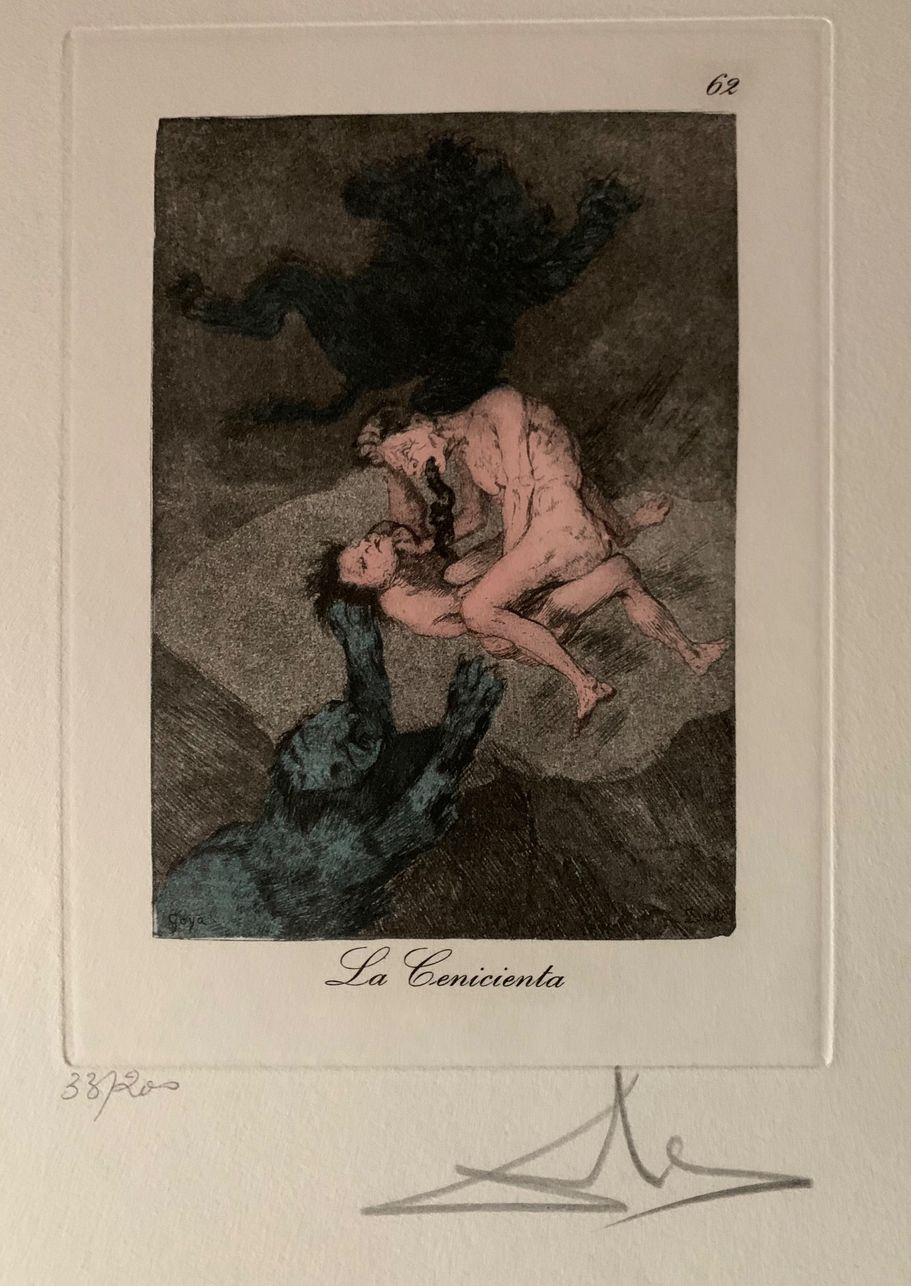
In addition to his paintings, Dalí created an extensive body of graphic work. His engagement with Francisco de Goya's famous series Los Caprichos occupies a particularly significant place within his oeuvre. Between 1973 and 1977, Dalí reinterpreted Goya's 80 prints, expanding their imagery through colour, surrealist motifs and his own drawn interventions. The result was an extraordinary artistic dialogue between two major Spanish artists from different eras.