Classical Painting in the E. Schuster Collection
Works from the 19th and 20th centuries – from academically trained and regionally significant painters to artists whose identities remain uncertain
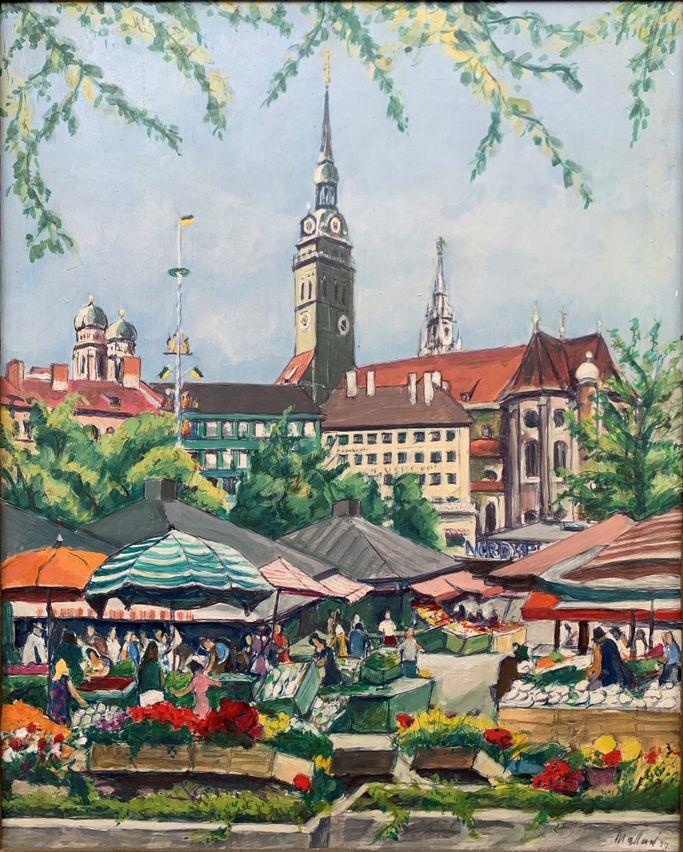
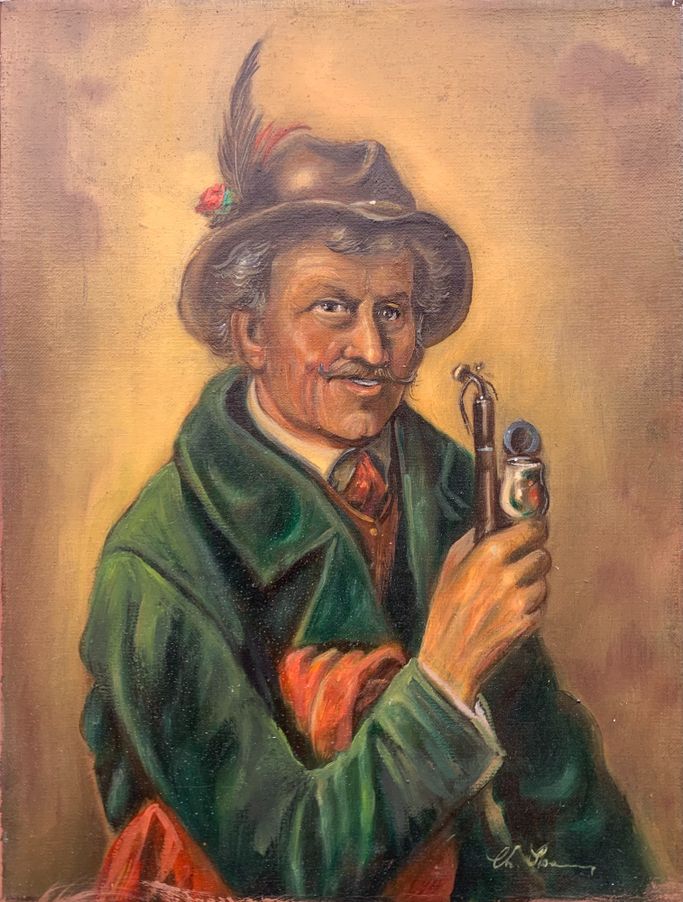
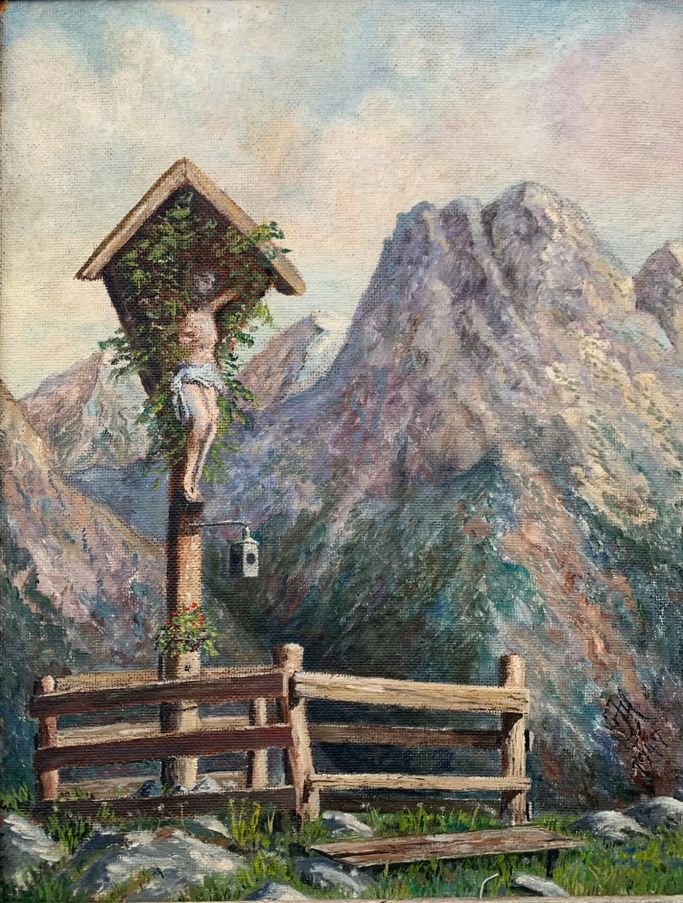
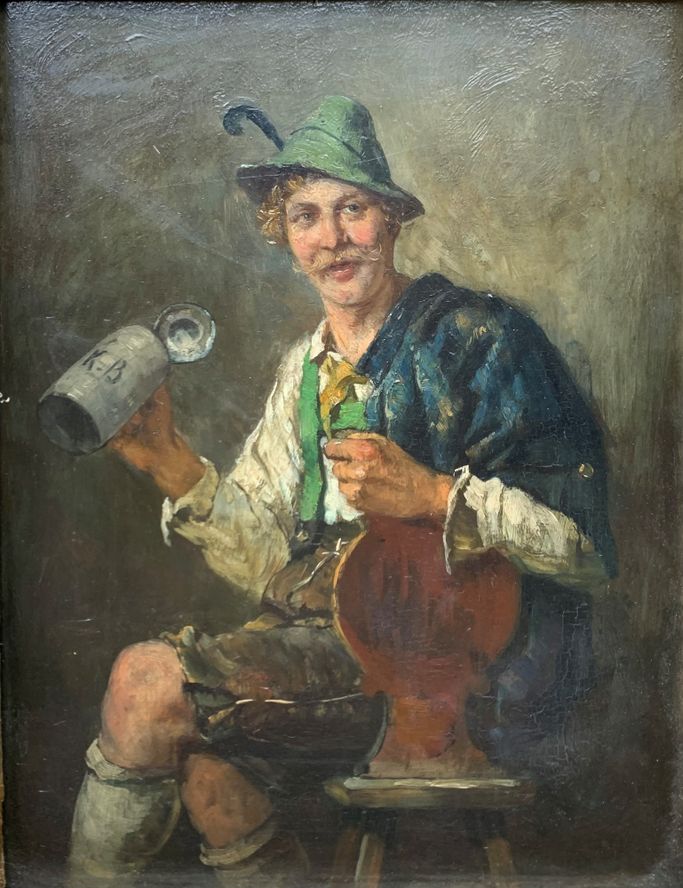
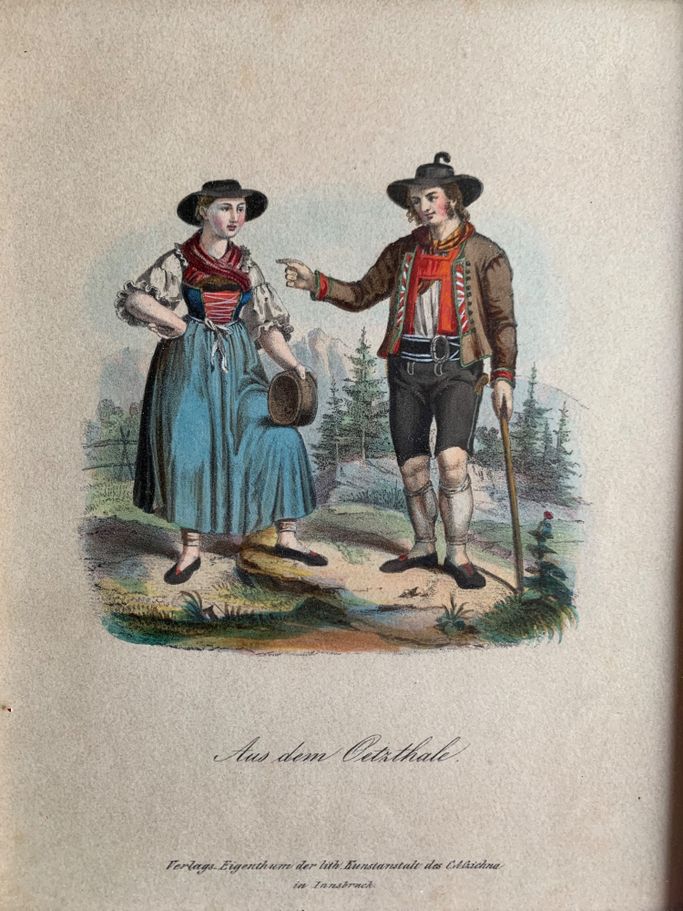
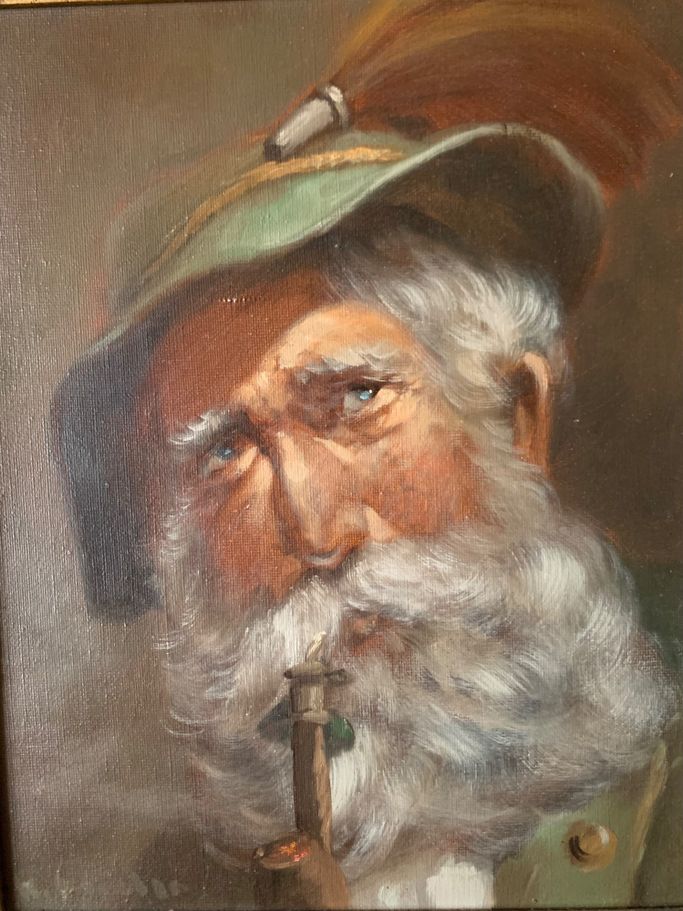
Classical painting represents an important area of traditional art within the E. Schuster Collection. Landscapes, portraits, animal paintings and genre scenes offer a multifaceted insight into different artistic movements of the 19th and 20th centuries. Alongside academically trained and regionally significant artists, the collection also preserves works by painters who are less well known today or whose identities have not yet been conclusively established, thus presenting a broad spectrum of historical visual worlds.
Alfred Fritzsching
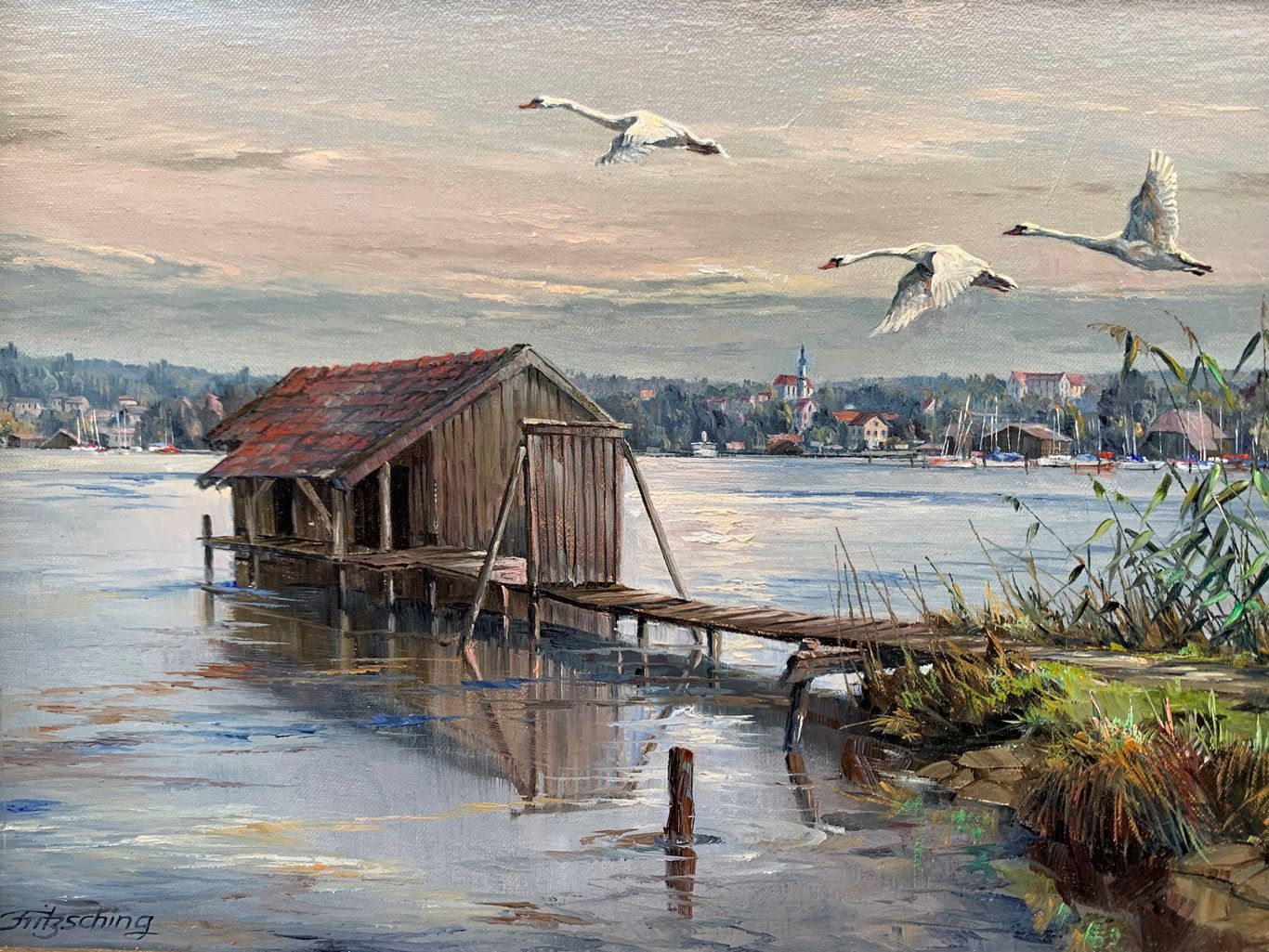
Alfred Fritzsching worked across a broad range of artistic techniques, including oil painting, watercolour, tempera, pastel, sculpture and printmaking. Etching was a particularly important focus of his artistic work.
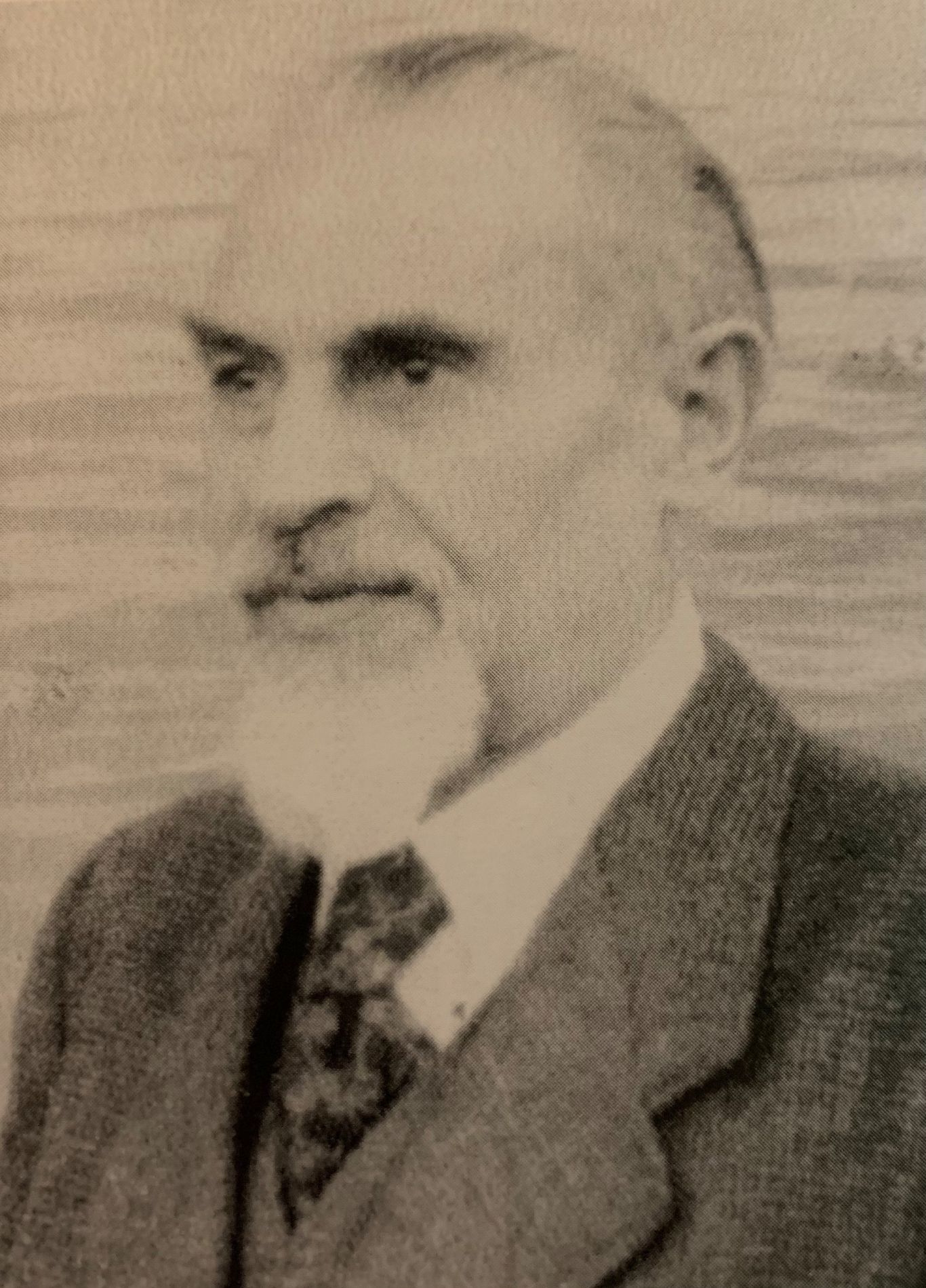
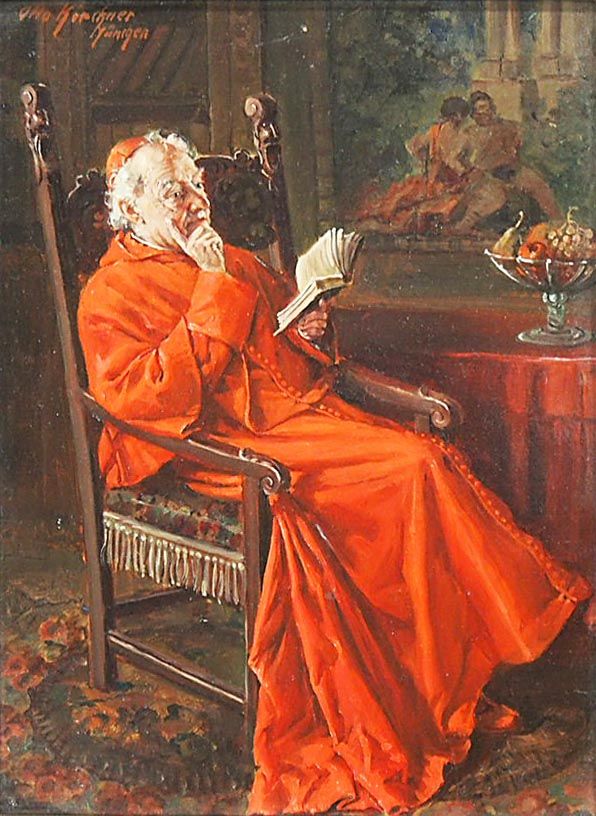
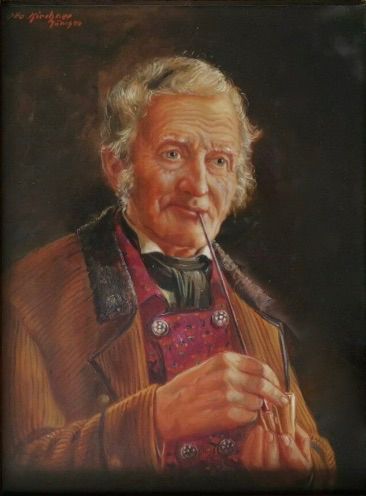
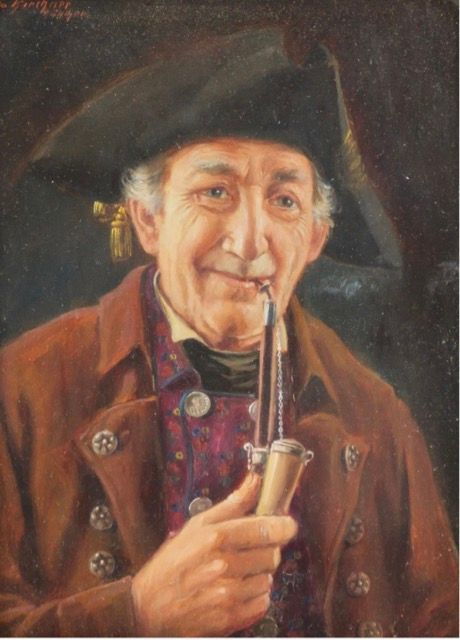
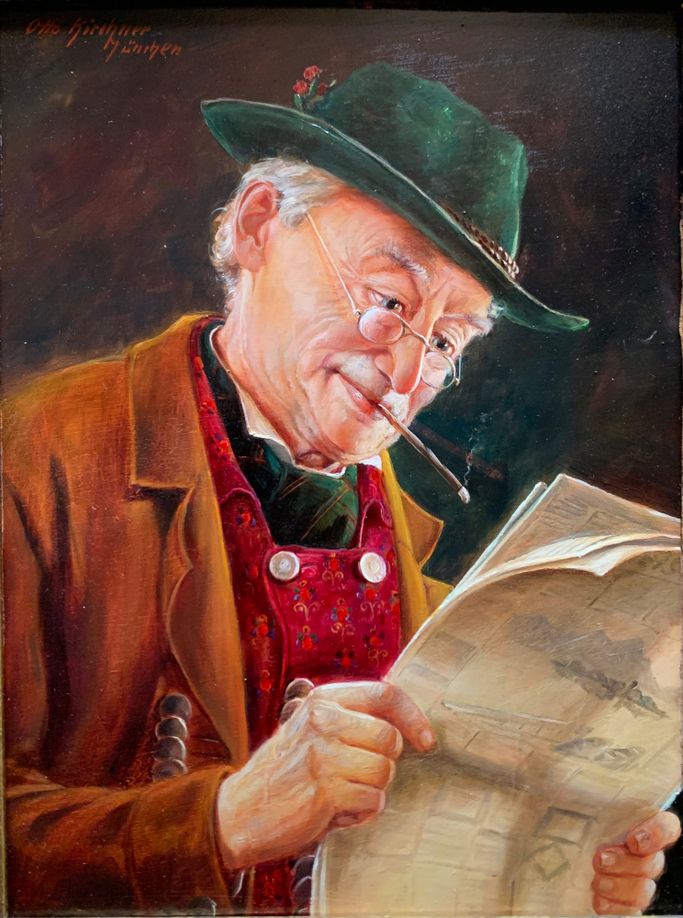
Otto Kirchner
1887–1960
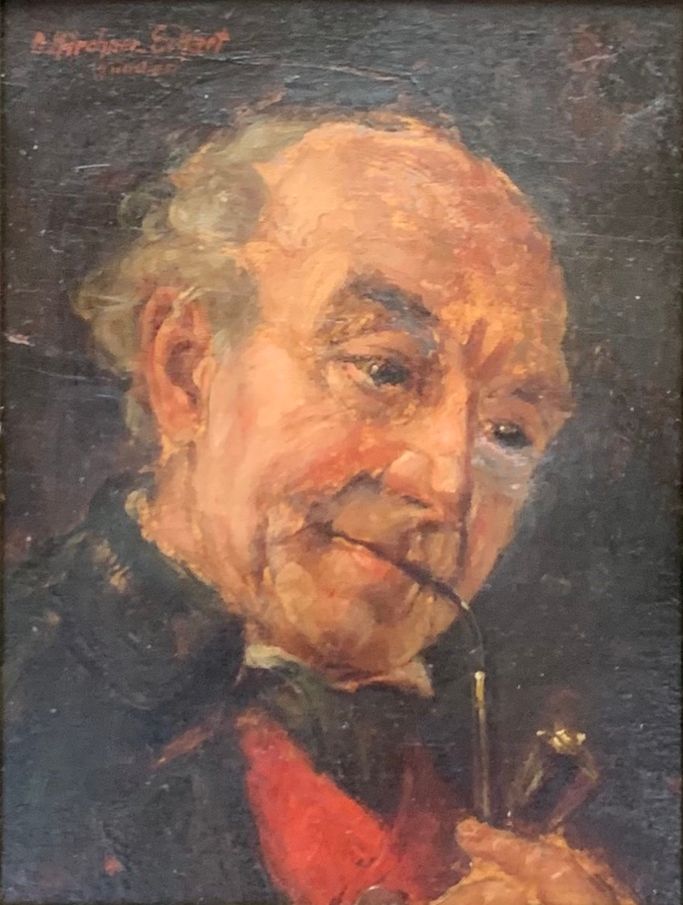
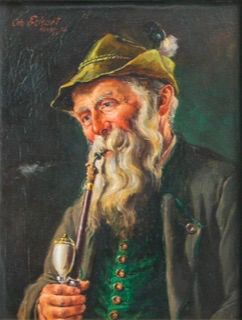
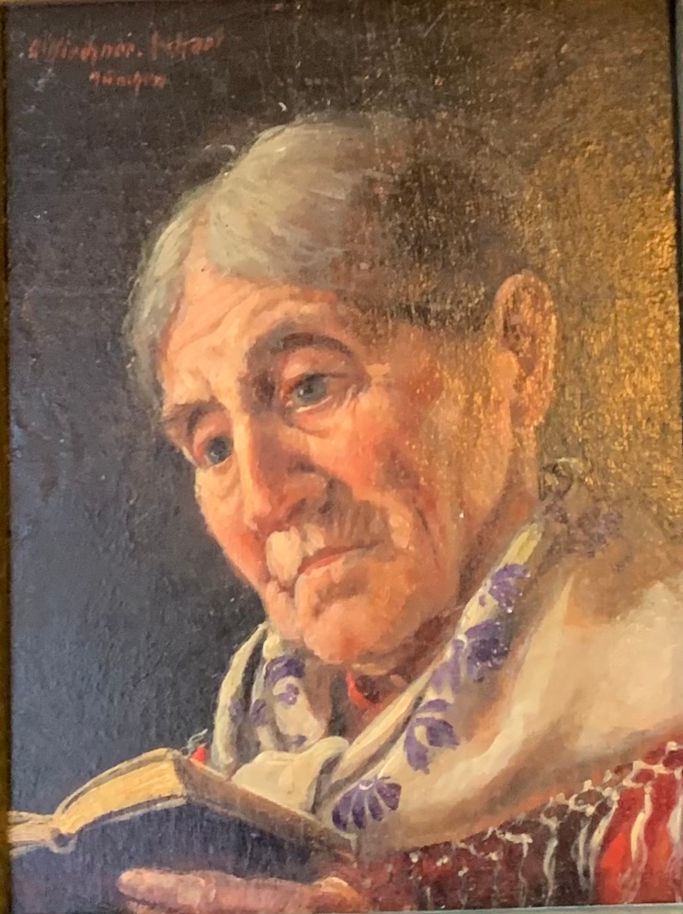
Otto Kirchner was a German portrait and genre painter. After initial studies in Düsseldorf and study trips to Italy, he continued his training at the Academy of Fine Arts in Munich under Martin Feuerstein. Following the First World War, he increasingly devoted himself to genre painting. His work is characterised by often small-format, carefully observed depictions of farmers, drinkers, readers and other figures from everyday life.
His paintings combine a representational style rooted in tradition with a strong interest in character, expression and atmosphere. Kirchner was also active in Munich's artistic community, and his works were exhibited at the Munich Glass Palace, among other venues.

Otto Ackermann-Pasegg
1882–1959
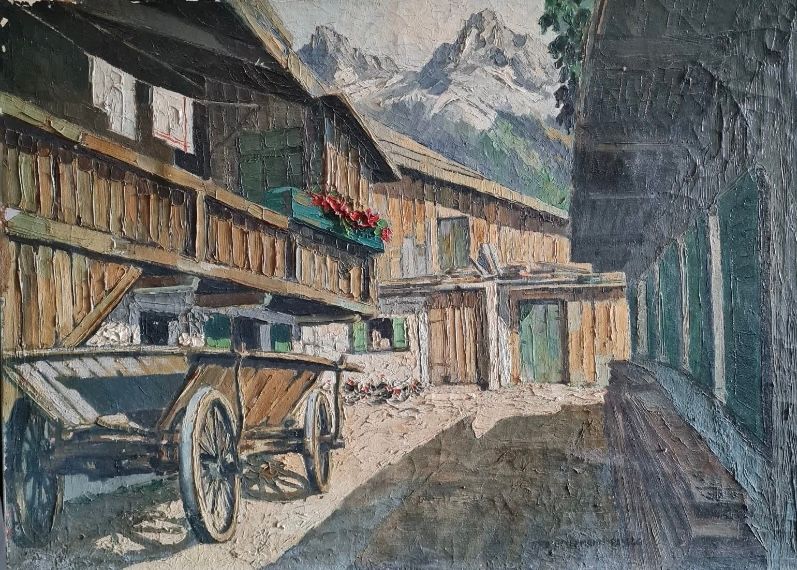
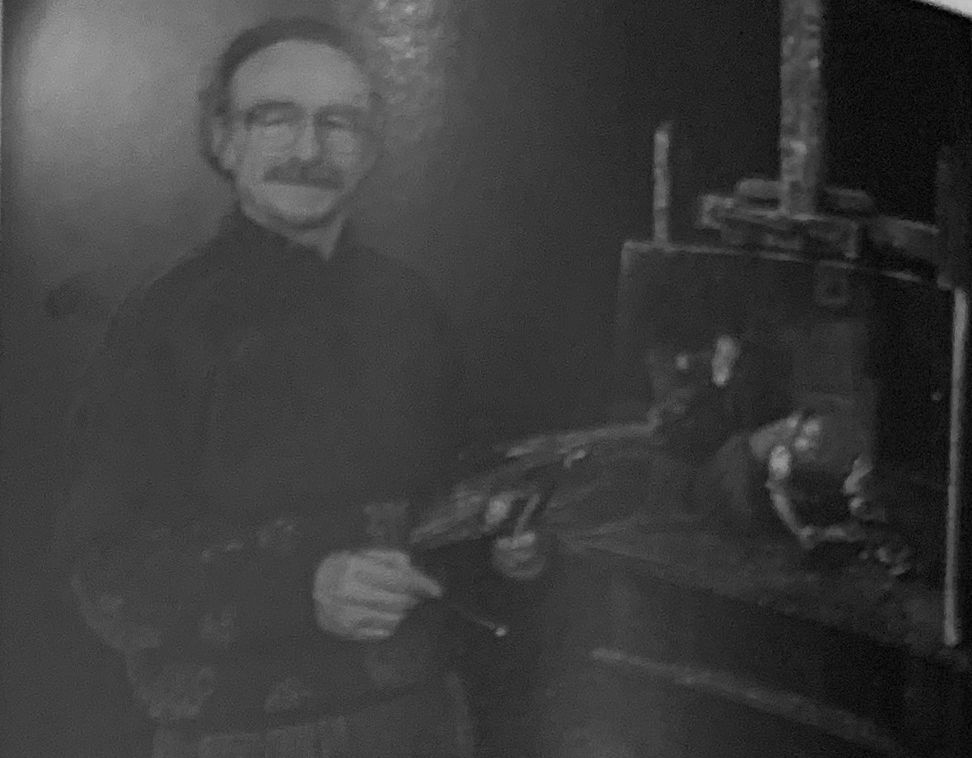
Otto Ackermann-Pasegg was a German landscape painter, illustrator and etcher. Following his artistic training, which included studying under Carl Theodor Meyer in Basel and attending the Leipzig Academy, he developed a representational style of landscape painting characterised by atmosphere and mood. His preferred subjects included Alpine landscapes, mountain regions and rural scenes.
Influences from Heinrich von Zügel and Max Liebermann are combined in his work with a traditional understanding of nature and a pronounced sensitivity to light and atmosphere. Ackermann-Pasegg also worked as an illustrator and was a member of the Munich artists' association "Die Juryfreien".
Walter Purschke
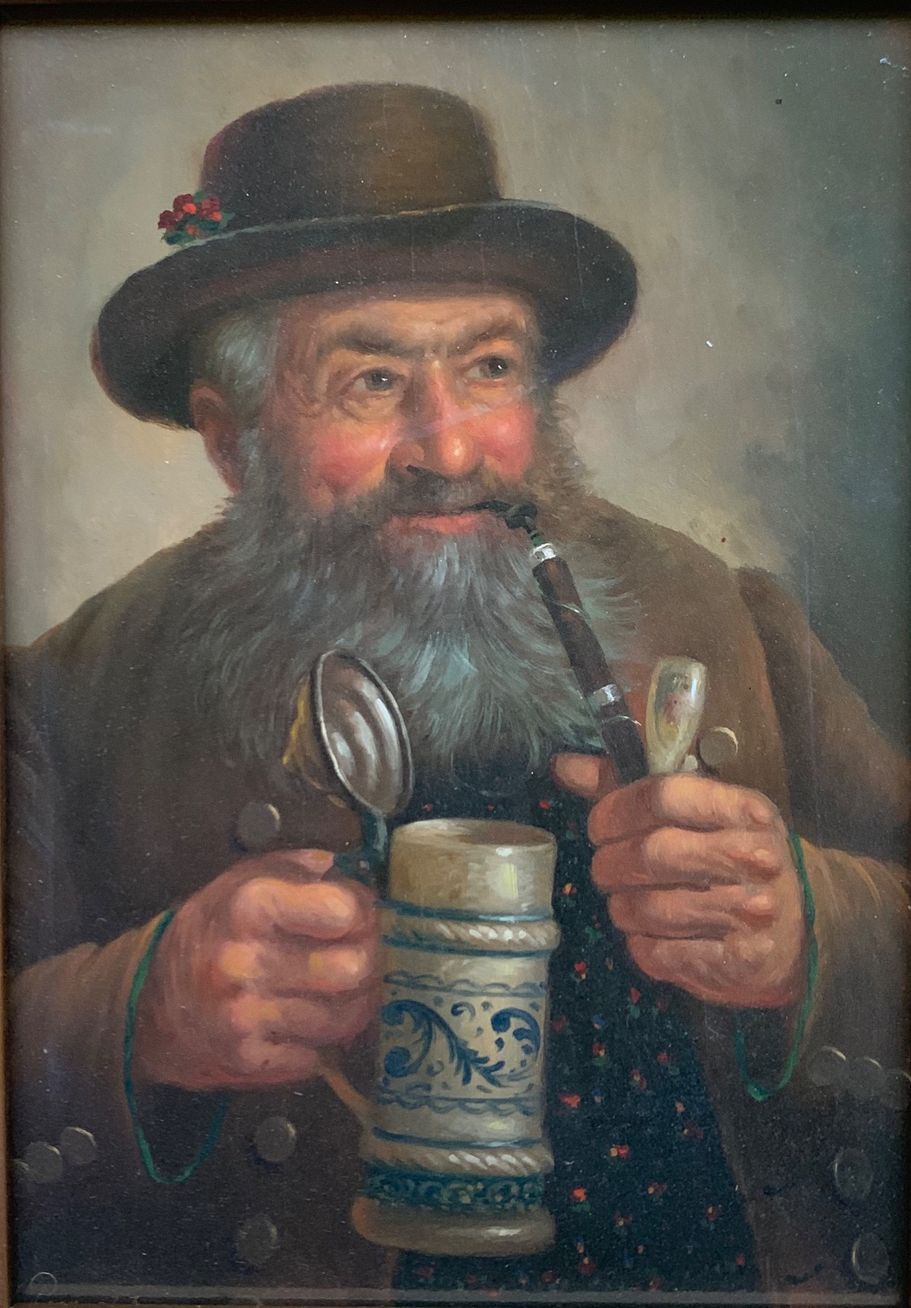
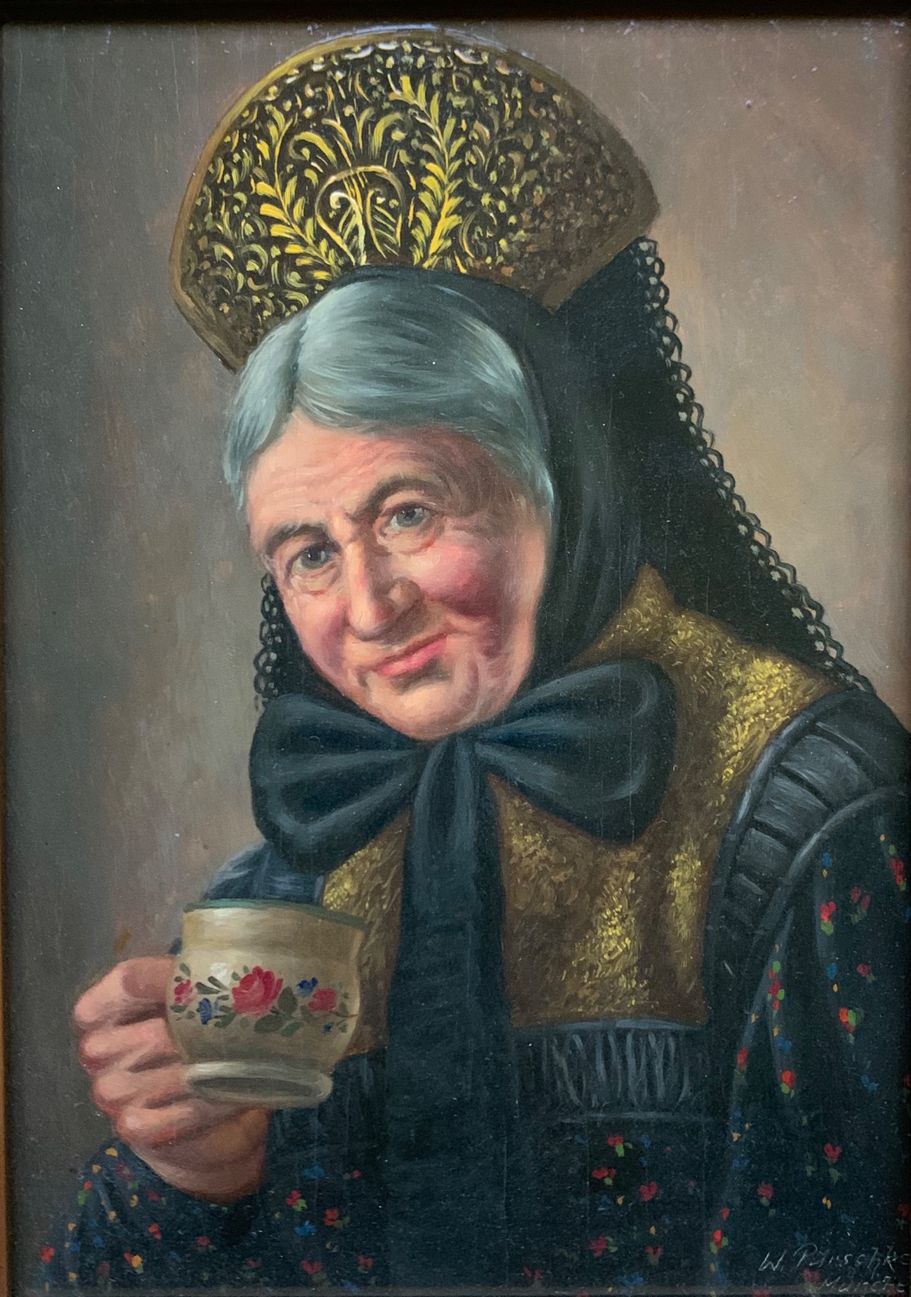
Walter Purschke was a German portrait and genre painter. Originally trained as a ceramic and porcelain painter, he increasingly turned to painting after the Second World War. He studied under the hunting-scene painter G. W. Kielbach and further developed his portrait and figure drawing skills under Hein König in Munich.
His work is characterised by representational, carefully executed figure and genre scenes, often featuring historical or rural subjects. The works represented in the E. Schuster Collection particularly demonstrate his ability to capture individual human features with precision.
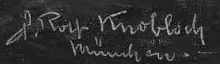
Josef Rolf Knobloch
1891–1964
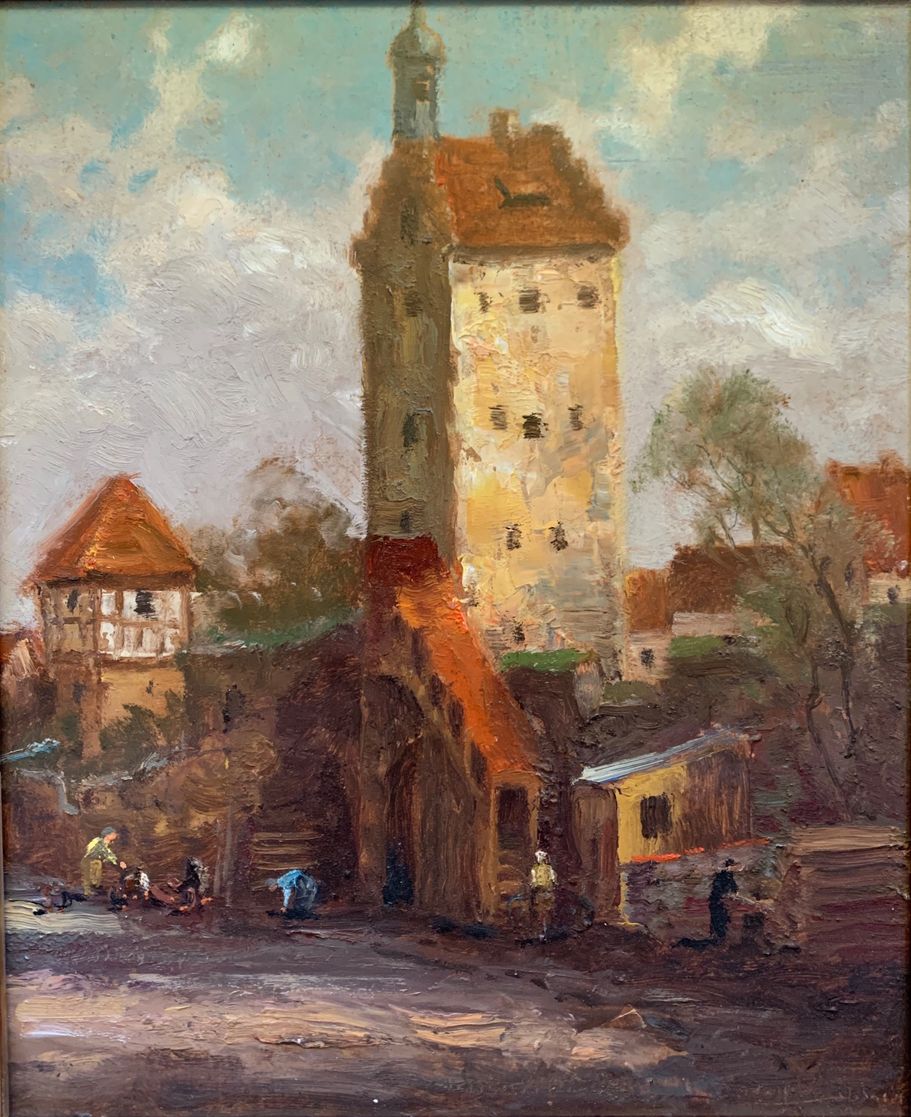
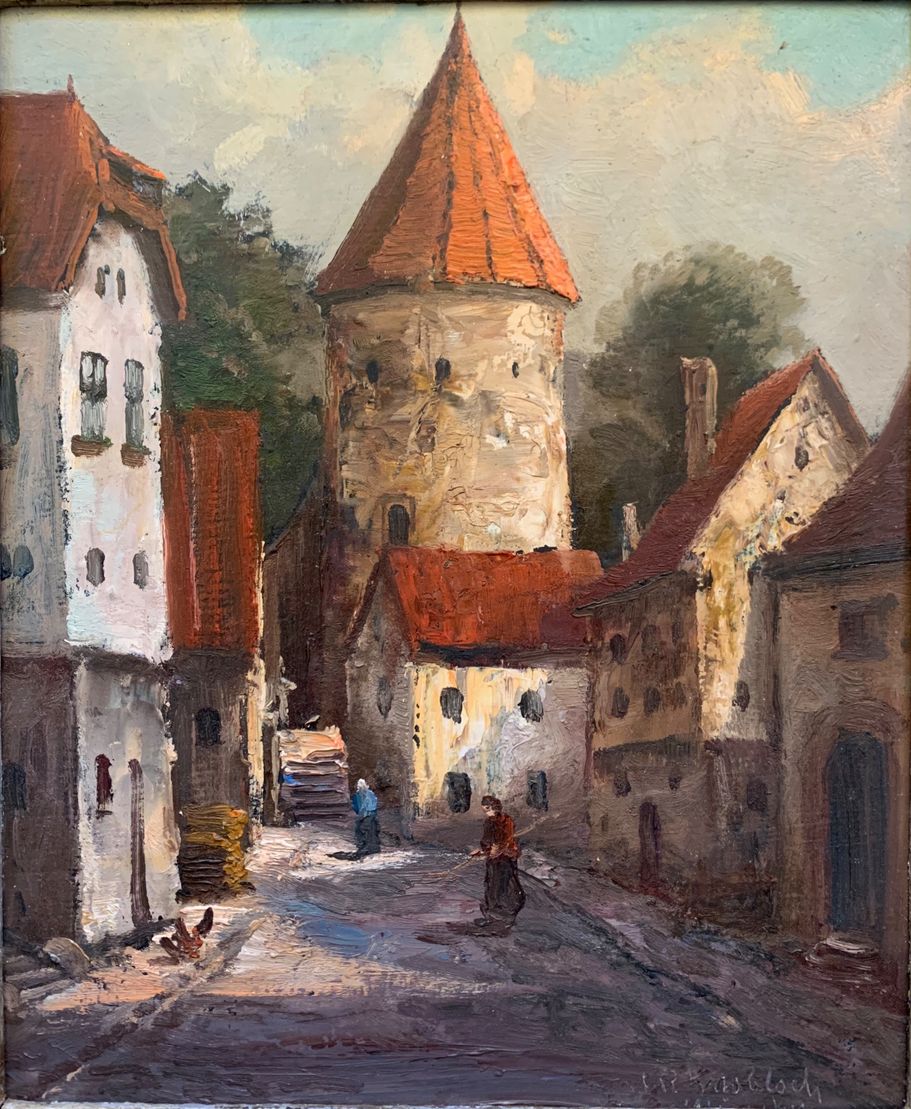
Josef Rolf Knobloch was a Munich landscape painter influenced by Impressionism. After studying at the art school in Liebwerda and the Technical University of Munich, he developed a painting style primarily devoted to landscapes, reflecting influences from Munich's plein-air tradition and the Barbizon School. His preferred subjects included Upper Bavarian landscapes, mountain scenery and town views.
From 1915 onwards, Knobloch participated in exhibitions at the Munich Glass Palace and was involved for many years in the Munich artists' association "Die Juryfreien". His works combine a representational understanding of nature with the effects of Impressionist light and atmosphere.
Josef Woldemar Keller-Kühne
1902–1991
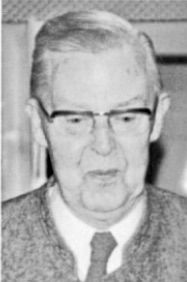
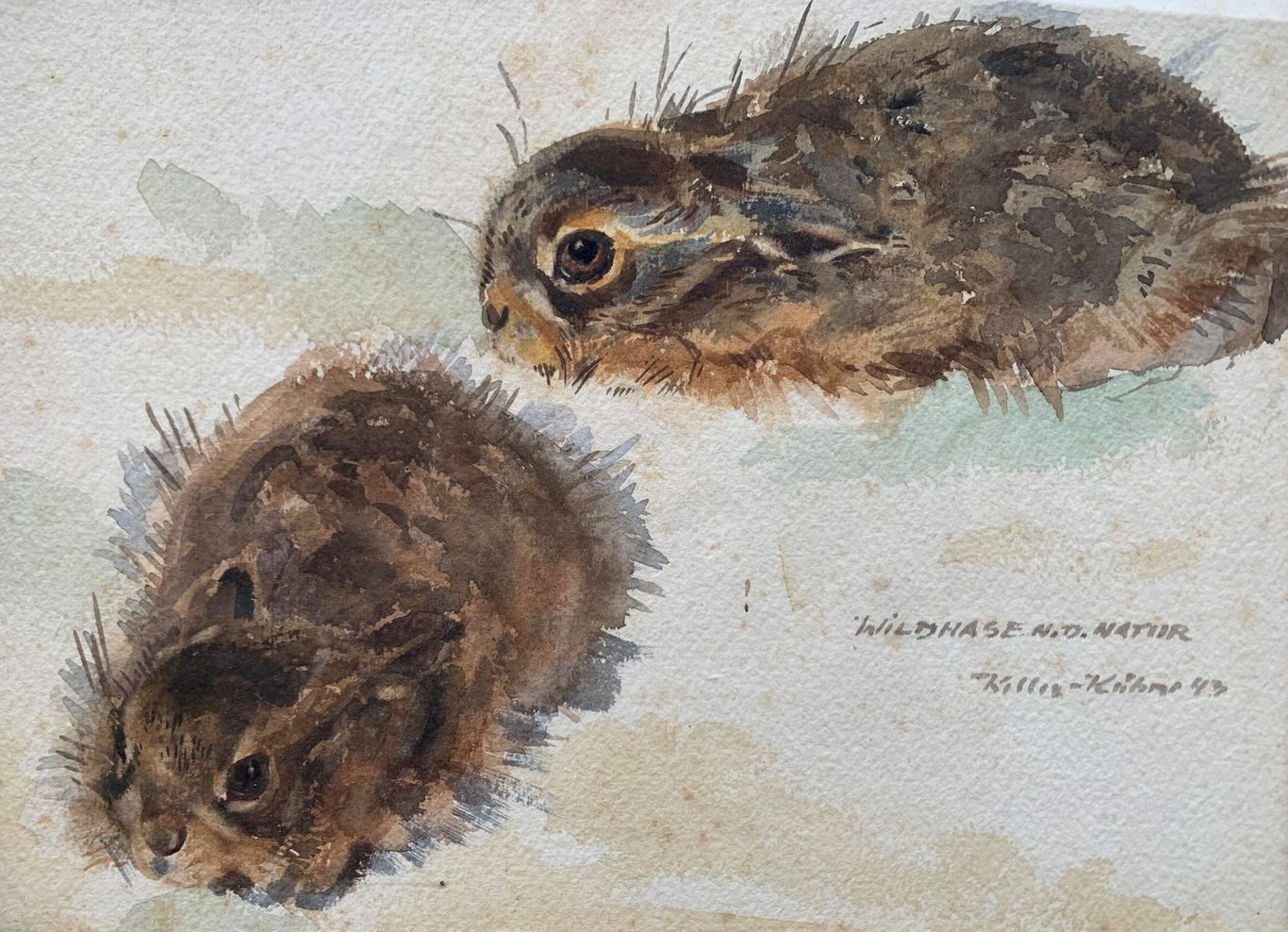
Josef Woldemar Keller-Kühne was a German painter and draughtsman who studied at the Academy of Fine Arts in Munich from 1921 to 1930 under Heinrich von Zügel and Angelo Jank. He first exhibited at the Munich Glass Palace in 1922.
Animal painting formed a particular focus of his work, alongside landscapes, town views and portraits. In 1926, Keller-Kühne received the City of Munich Art Prize for his painting "Stier im Stall".
His representational painting combines precise observation of nature with a lively painterly approach and stands in the tradition of Munich animal and landscape painting.
Helmuth Bachrach-Barree
1898–1964
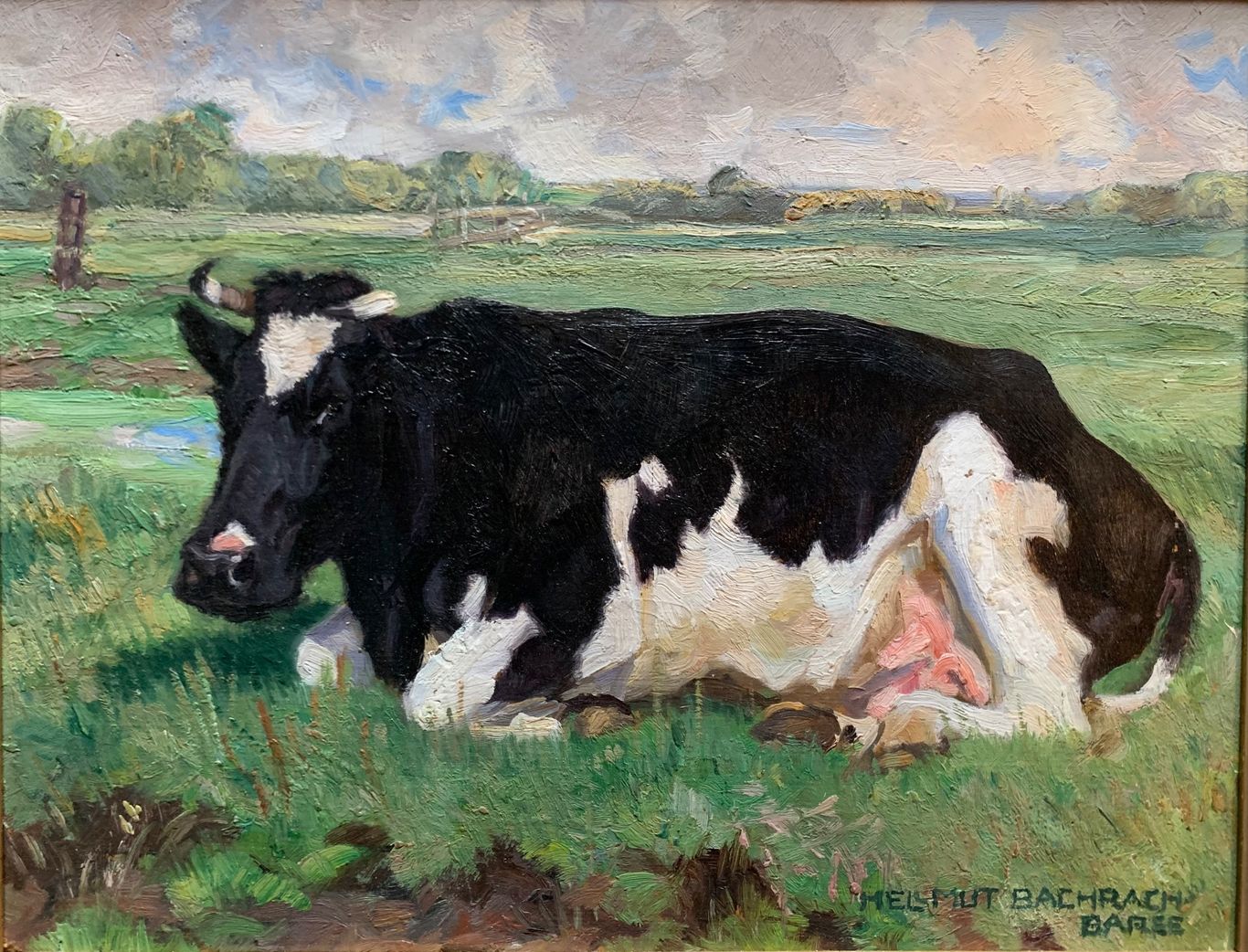
Helmuth Bachrach-Barée was a German portrait, animal and landscape painter associated with the Munich School. As the son of the painter Emanuel Bachrach-Barée, he was exposed to artistic influences from an early age and studied at the Munich Academy under Angelo Jank and Heinrich von Zügel.
Their influence is particularly evident in his animal and landscape paintings, which combine representational observation of nature with an increasingly free, colour-oriented painting style. From 1923 onwards, Bachrach-Barée exhibited at the Munich Glass Palace.
His works frequently depict animals and people in landscape settings and are distinguished by their lively, atmospheric character.
During the National Socialist period, Bachrach-Barée was prohibited from working as an artist in 1936. In 1944, he was deported to a satellite camp of the Buchenwald concentration camp and survived a death march in the spring of 1945. A drawing created during this period is now held at the Yad Vashem memorial.
Hans Weidinger
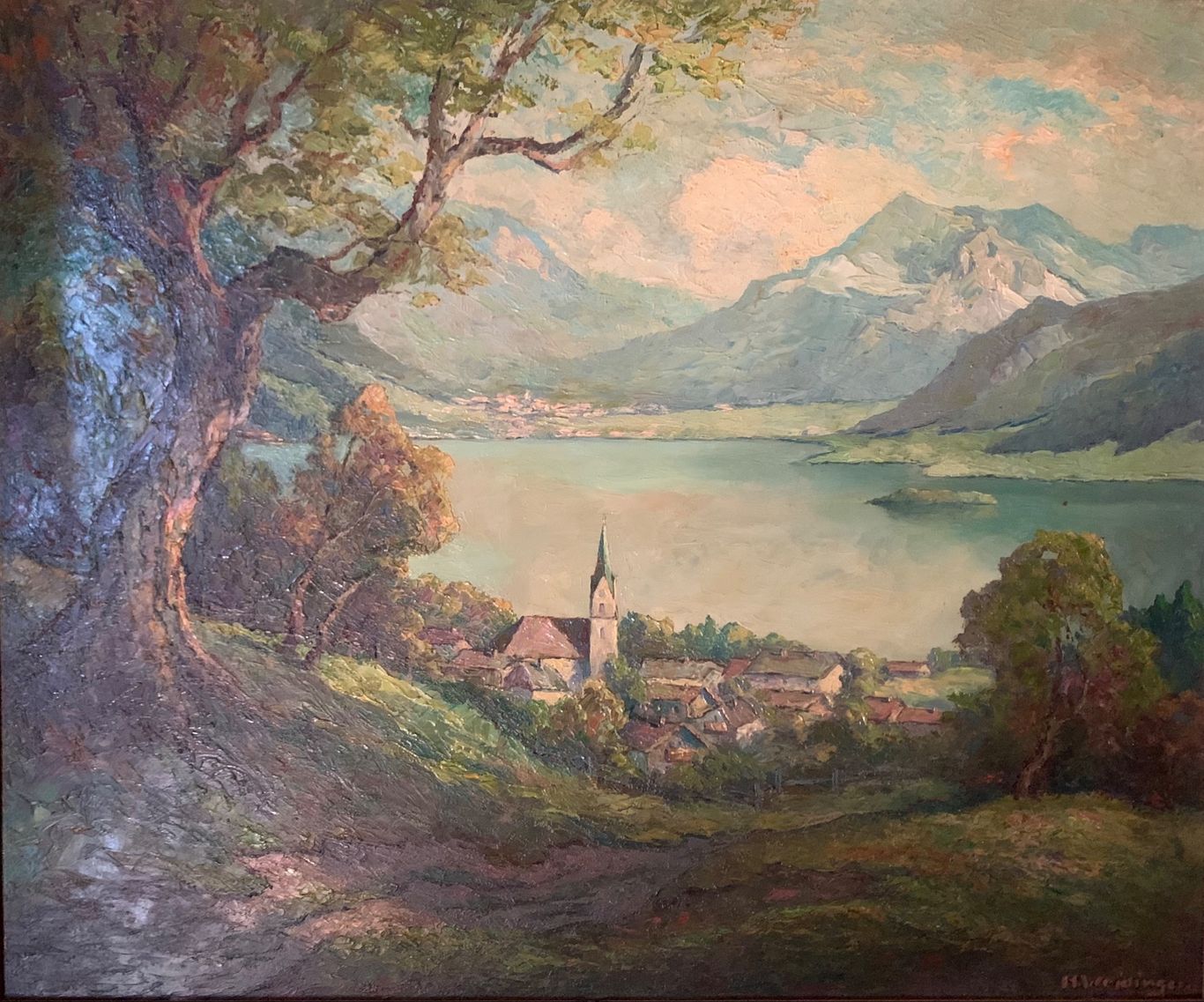
Hans Weidinger represents a traditional approach to landscape painting in which direct observation of nature and the atmospheric qualities of the landscape take centre stage.
The painting "Schliersee", preserved in the E. Schuster Collection, depicts a tranquil, representational landscape and continues the long tradition of southern German and Alpine landscape painting.
Rather than providing a topographical record, the work primarily conveys the characteristic atmosphere of the natural scenery depicted.
Willy Franken
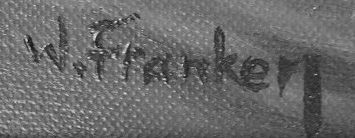
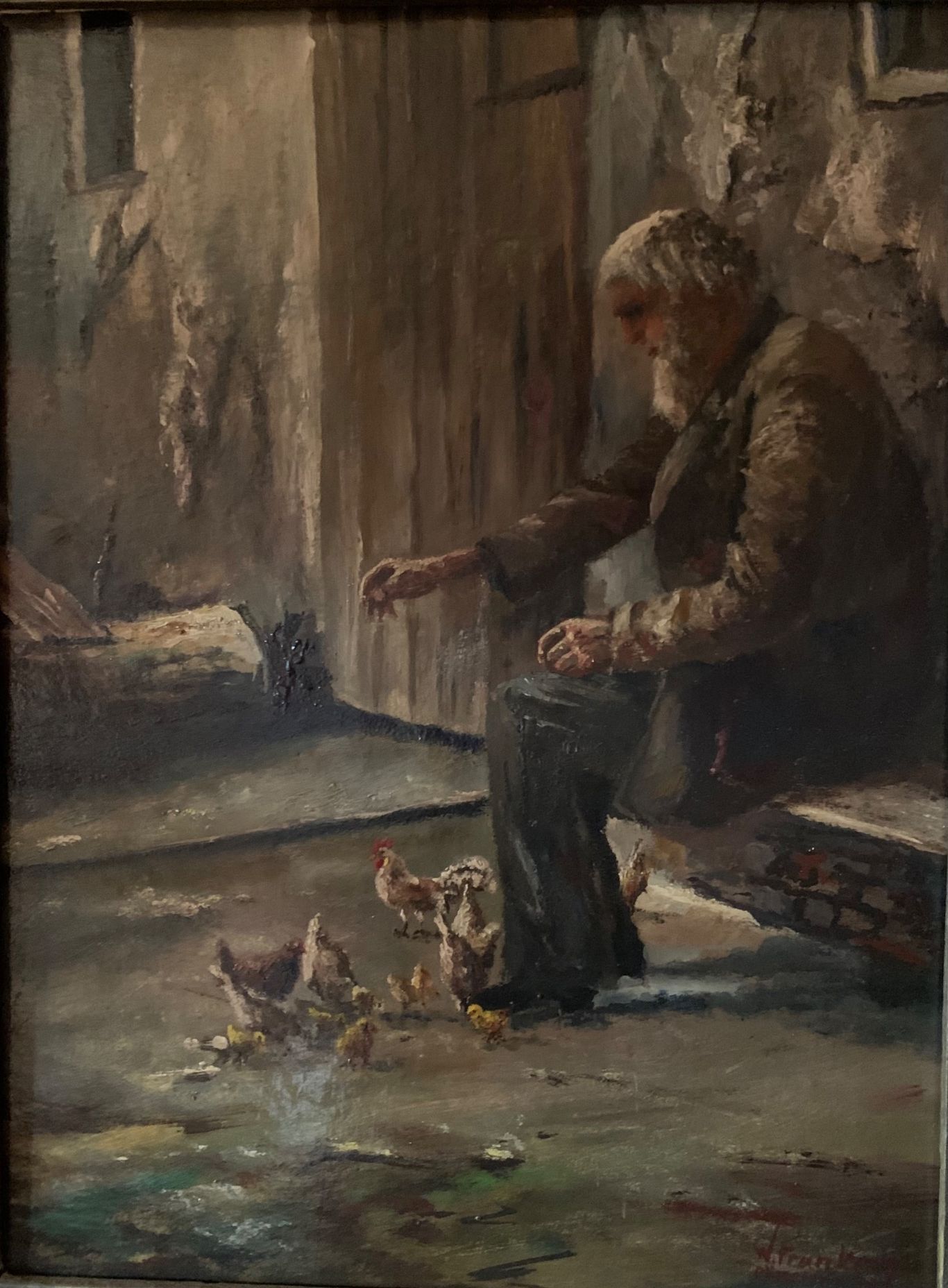
Willy Franken was a German figure, animal and landscape painter. His representational work focuses particularly on depictions of animals, characterised by close observation of nature and a keen sensitivity to the posture, movement and character of the animals portrayed.
He also produced landscapes and figurative scenes. The works represented in the E. Schuster Collection illustrate this traditional, nature-oriented approach and complement the collection's holdings of classical painting with an artistic position from the 20th century.
Wilhelm H. Wöhr
1898–1996
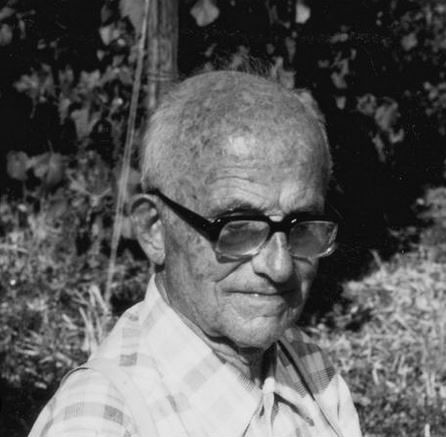
Wilhelm H. Wöhr was a German painter and graphic artist whose artistic work was closely connected to his native Swabian region. Known as the "Painter of the Zabergäu", he devoted himself primarily to the landscape between Heuchelberg, Stromberg and the Neckar River.
His works preserve the character of this cultural landscape through a representational visual language rooted in tradition. He worked in various techniques, including oil painting, watercolour, pen drawing, woodcut and linocut.
The works represented in the E. Schuster Collection document this regionally rooted approach to 20th-century landscape painting.
Georg Kiste
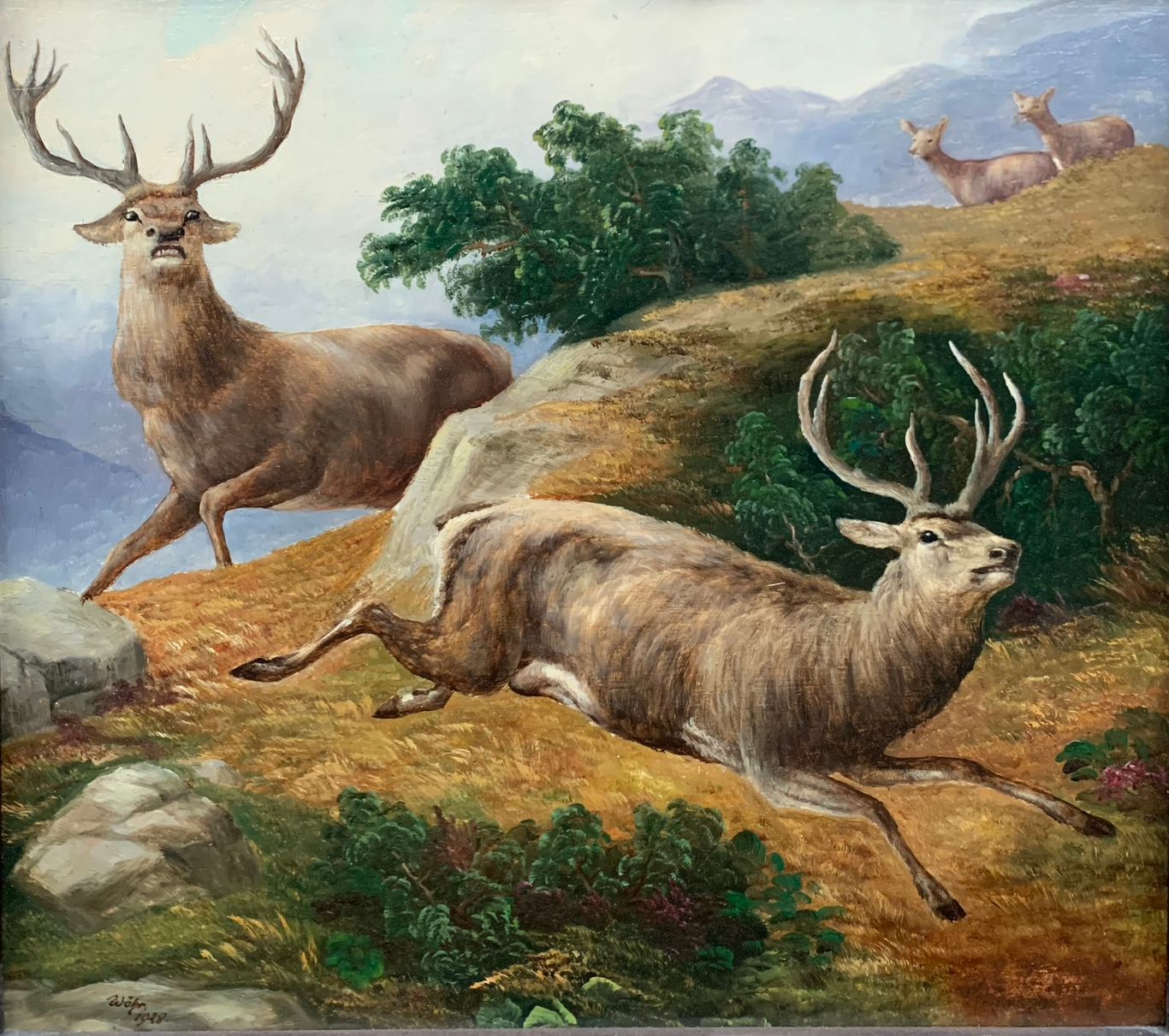
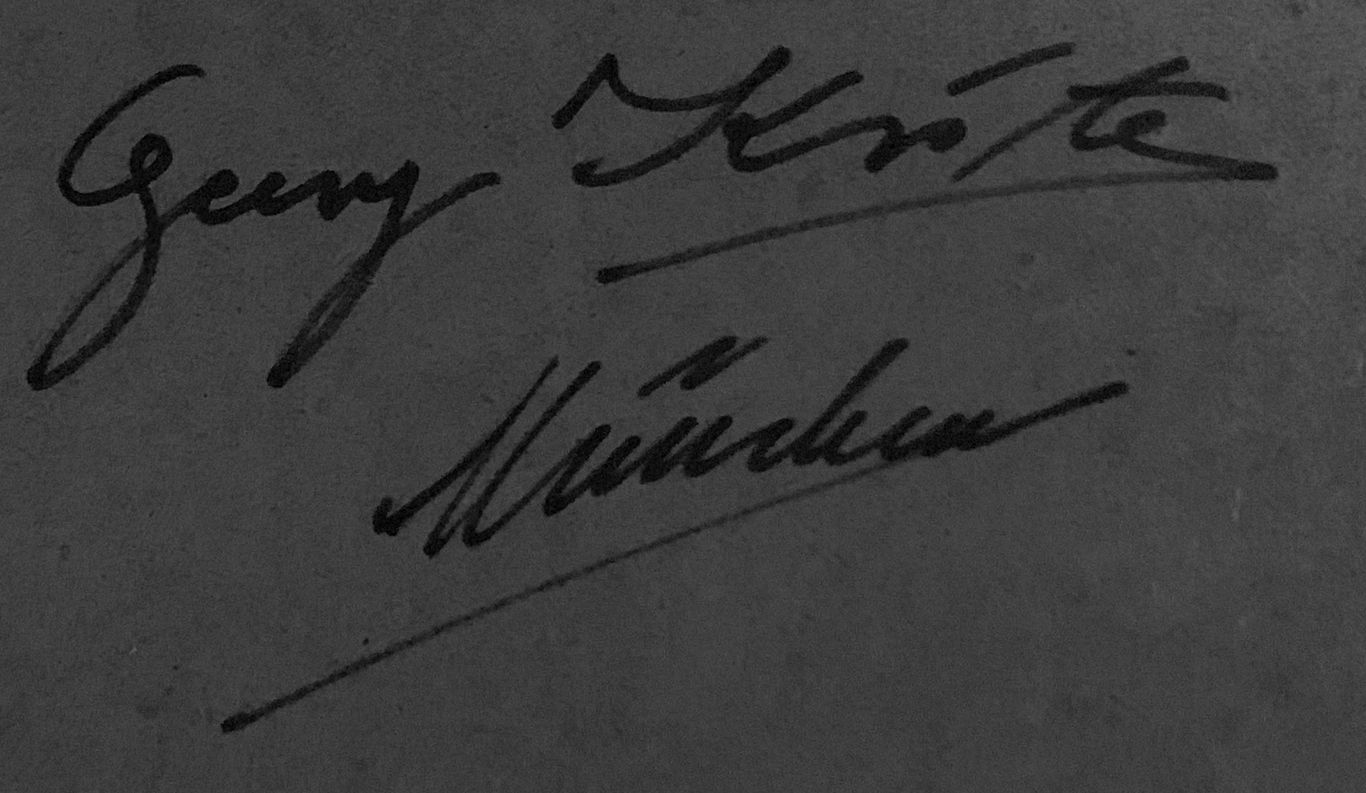
Georg Kiste was a German painter whose work was rooted in traditional representational painting. His works focus particularly on landscapes and depictions of nature, combining careful observation of the subject with an atmospheric painterly approach.
The works represented in the E. Schuster Collection exemplify this traditional visual language while also documenting a lesser-known position in 20th-century German painting.
Corrado Pila Monte
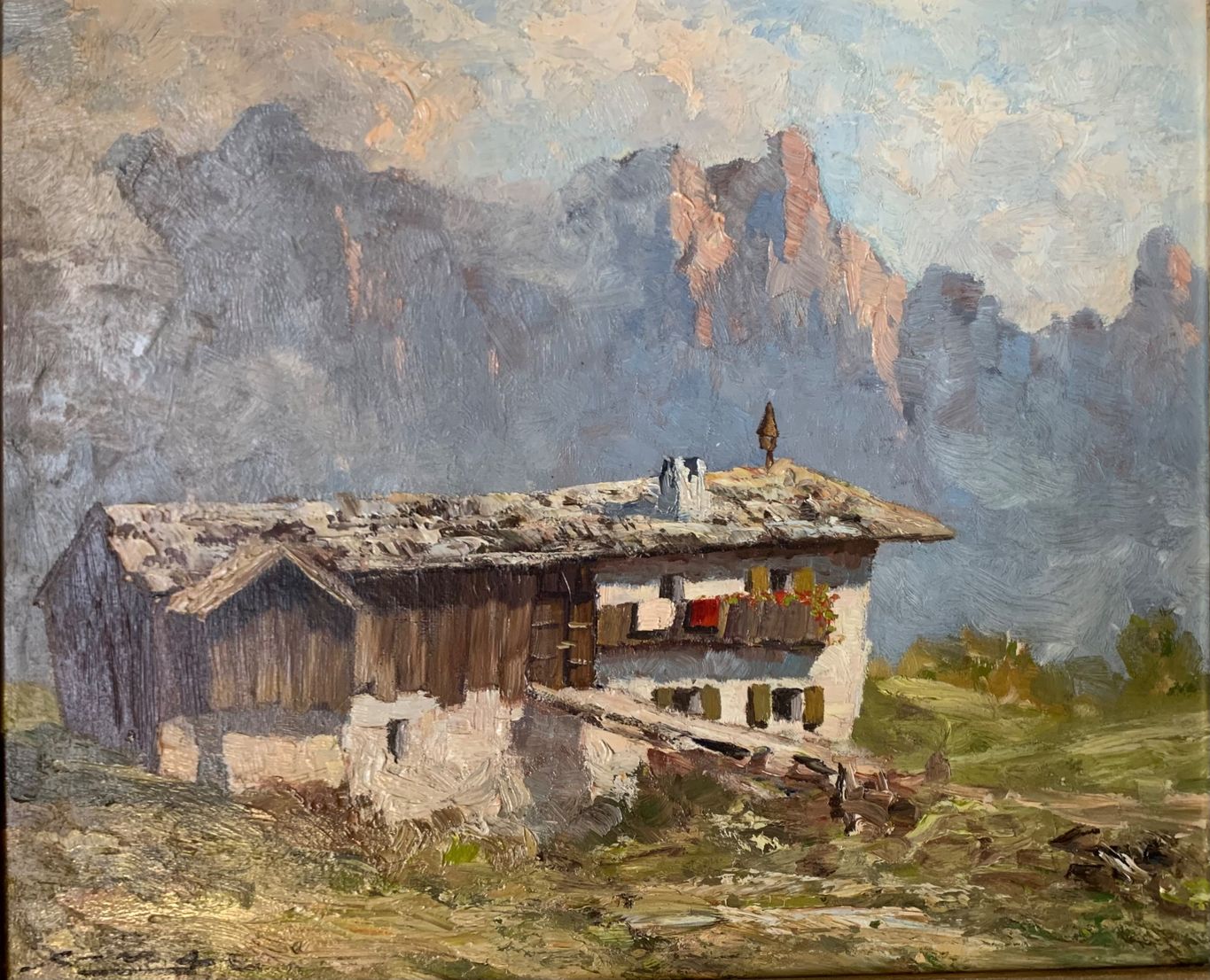
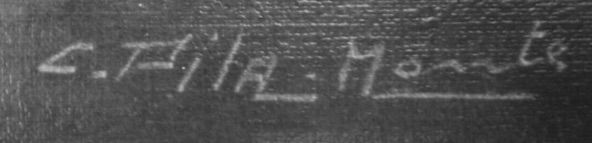
Corrado Pila Monte (1932–2019) was an Italian painter whose artistic career brought him to Germany. His paintings are characterised by a representational visual language in which landscapes, architecture and atmospheric moods play a particularly important role.
His works combine careful observation of the subject with a condensed painterly interpretation that sometimes evokes a romantic atmosphere.
Pila Monte is represented in the E. Schuster Collection by selected works that exemplify his traditional approach to landscape painting.
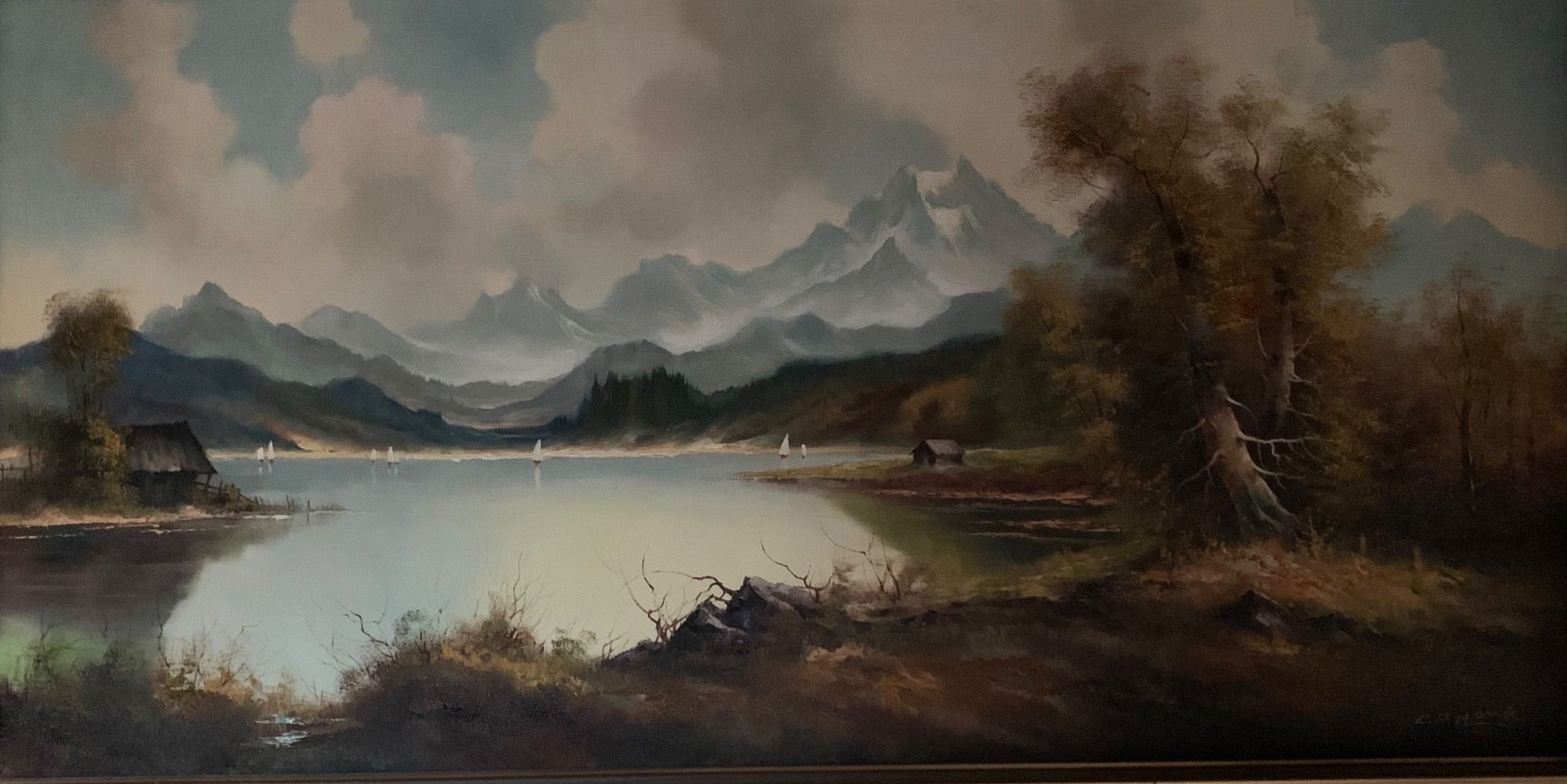
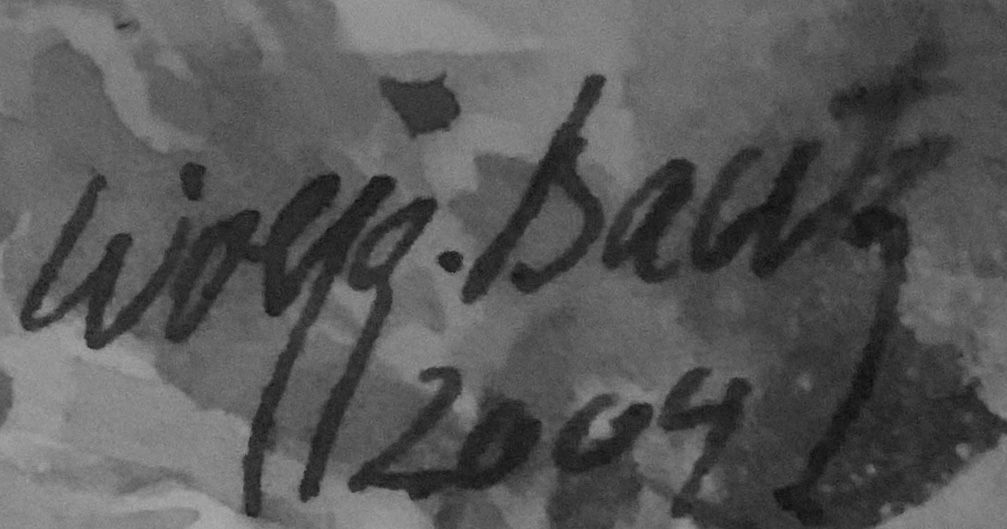
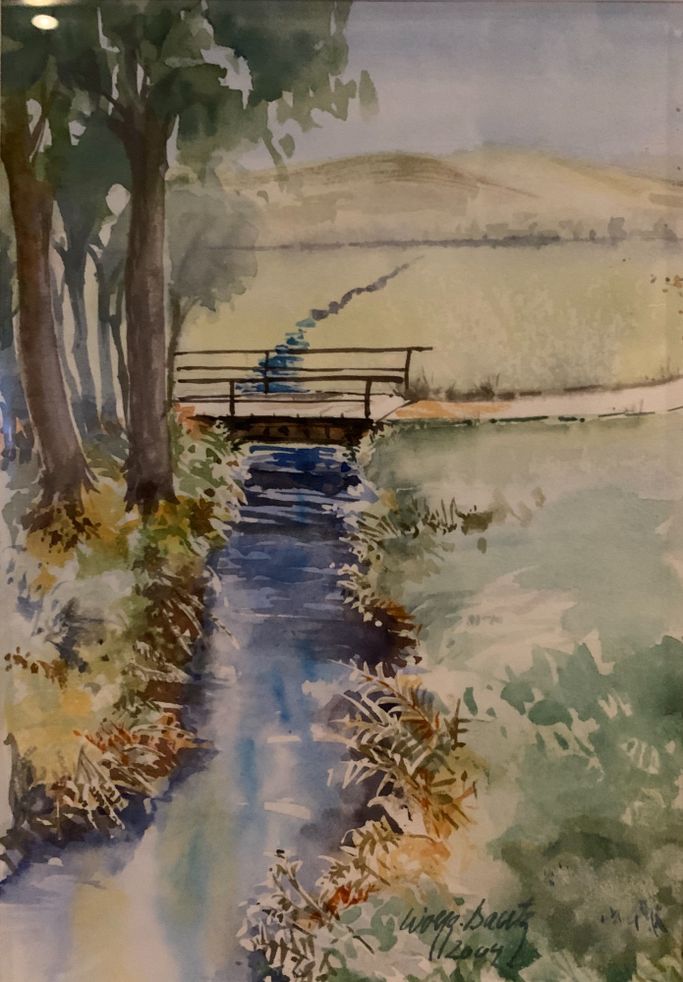
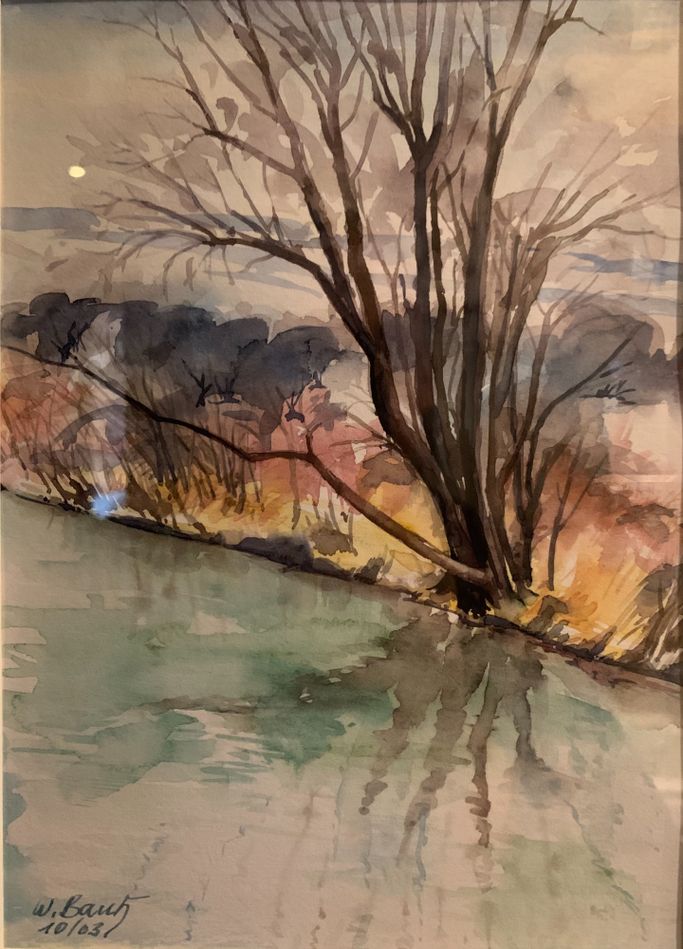
Wolfgang Bautz
Wolfgang Bautz is a German painter from Kissing in Bavaria. The works represented in the E. Schuster Collection illustrate his artistic practice and complement the classical painting section with a regionally rooted artistic position.
Works by Unidentified Artists
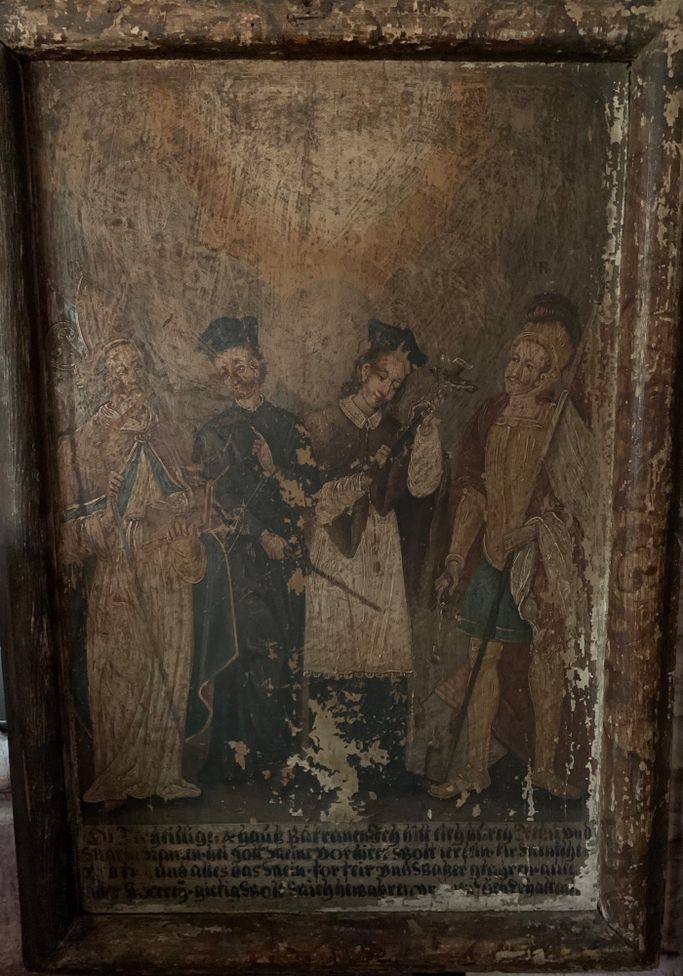
Works by artists whose identities have not yet been conclusively established preserve individual artistic approaches and enrich the collection as testimonies to the painting traditions of their time.