Ernst Fuchs
Ernst Fuchs (1930–2015) was a defining figure in Austrian post-war art and a co-founder of the Vienna School of Fantastic Realism. Together with Arik Brauer, Rudolf Hausner, Wolfgang Hutter and Anton Lehmden, he developed a visual language that combined Surrealist and magic-realist ideas with the technical precision of the Old Masters.
Fuchs’s multifaceted work draws on mythology, religion, mysticism, symbolism and dream worlds. His extraordinary attention to detail and close study of historical painting techniques gave his visionary compositions a distinctive effect. In addition to painting and graphic art, Fuchs worked as a sculptor, architect and designer. His internationally recognised work made him one of the leading figures of Fantastic Realism and a key point of reference for later generations of artists.
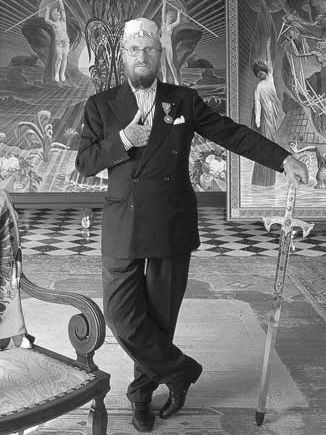
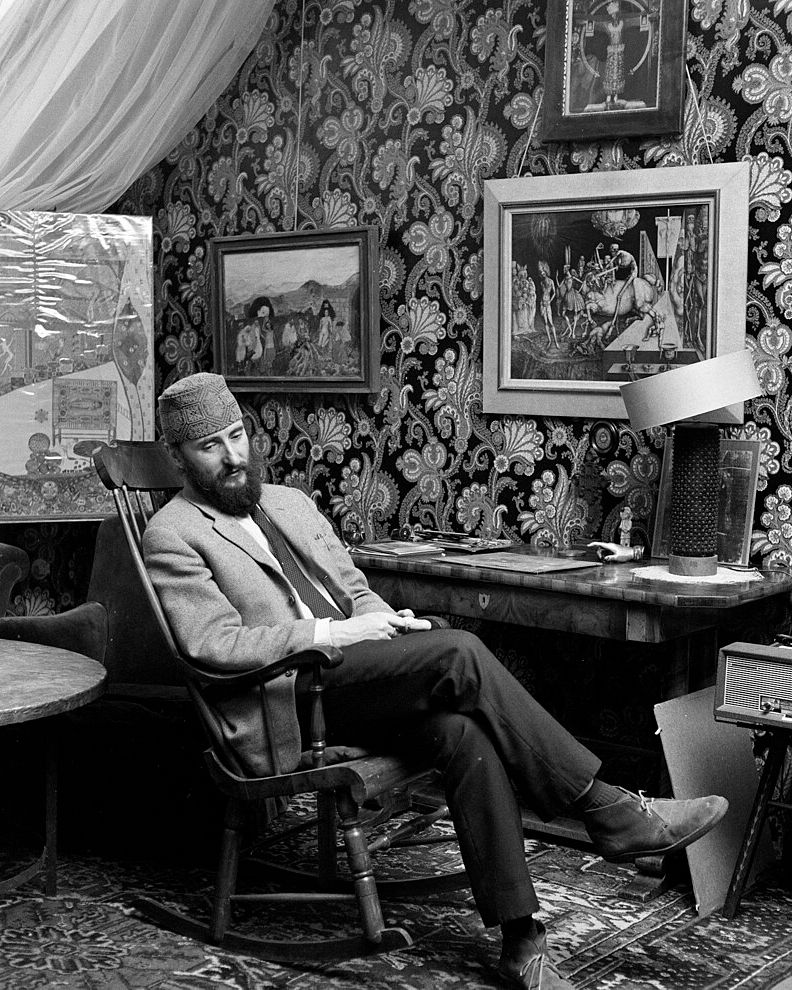
Ernst Fuchs, Wien, um 1973 · Foto: Gert Chesi / Wikimedia Commons · CC BY-SA 4.0
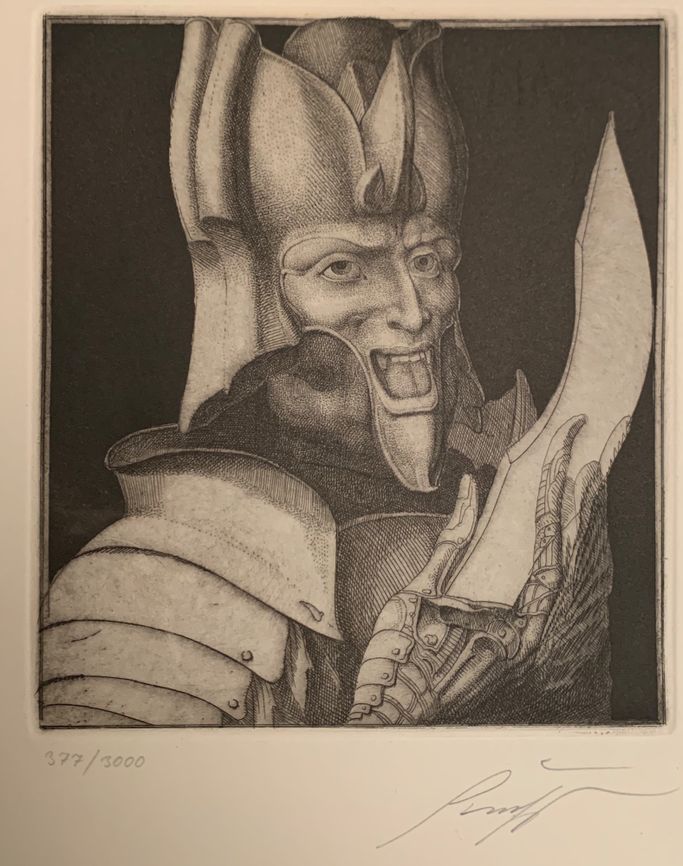
Etchings
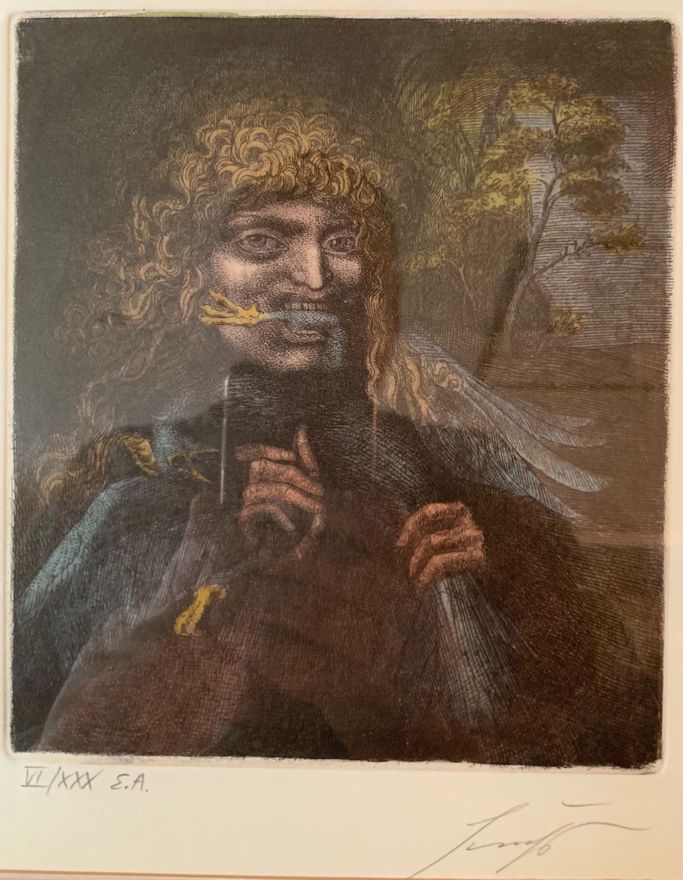
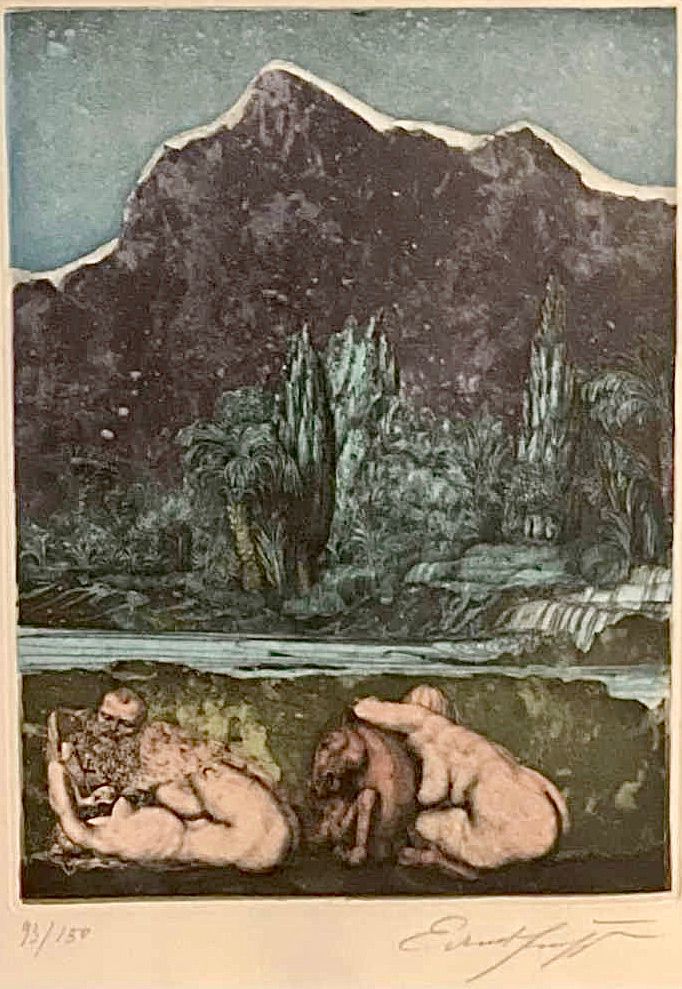
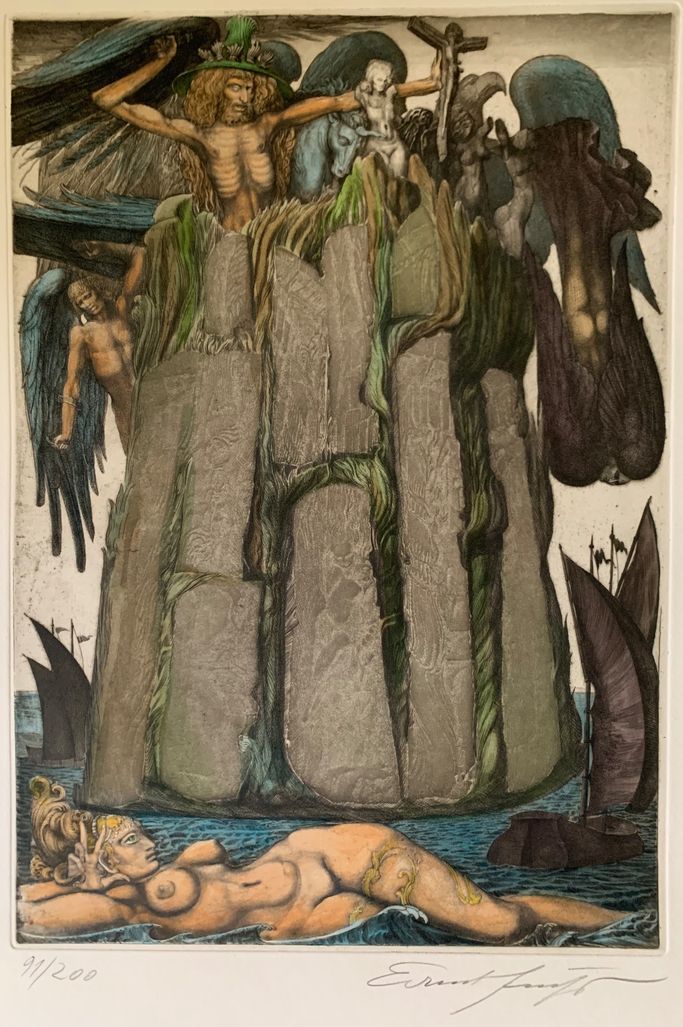
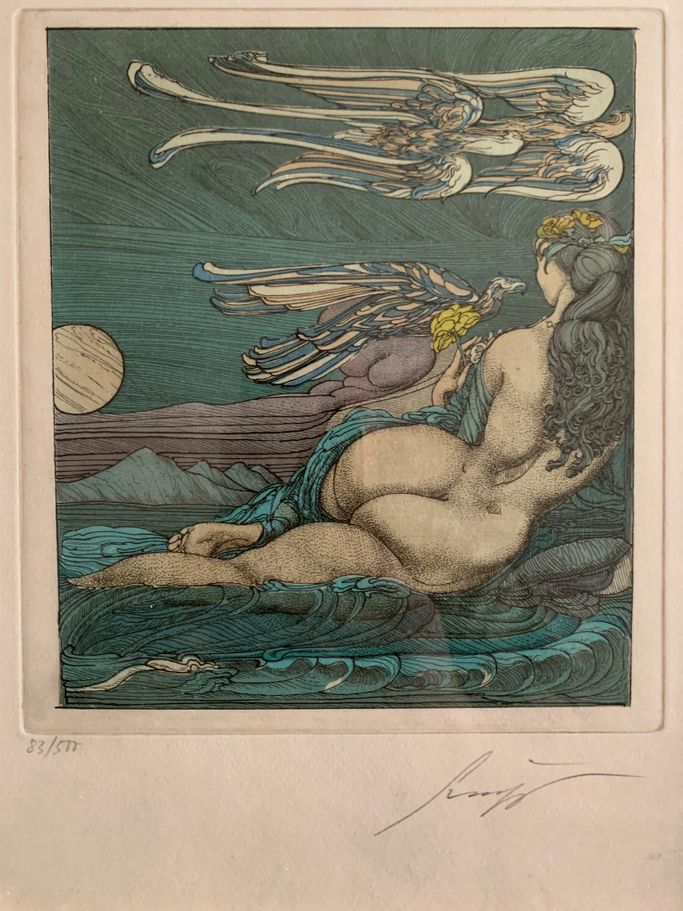
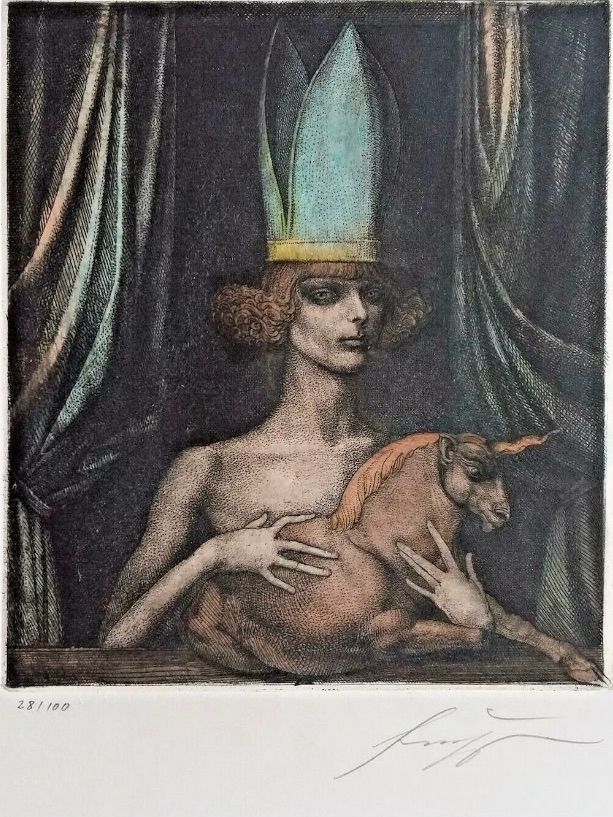
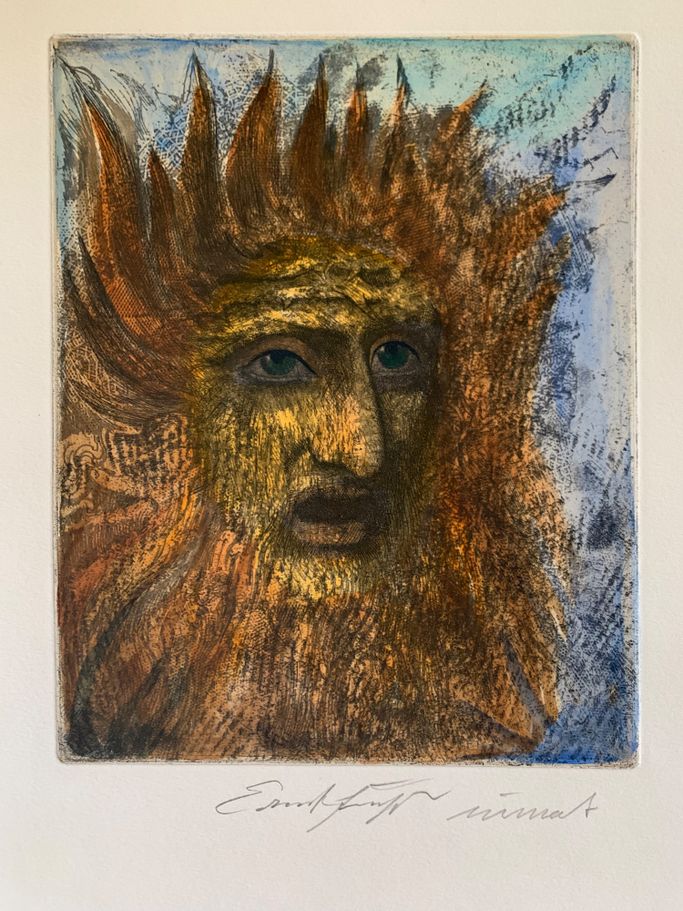
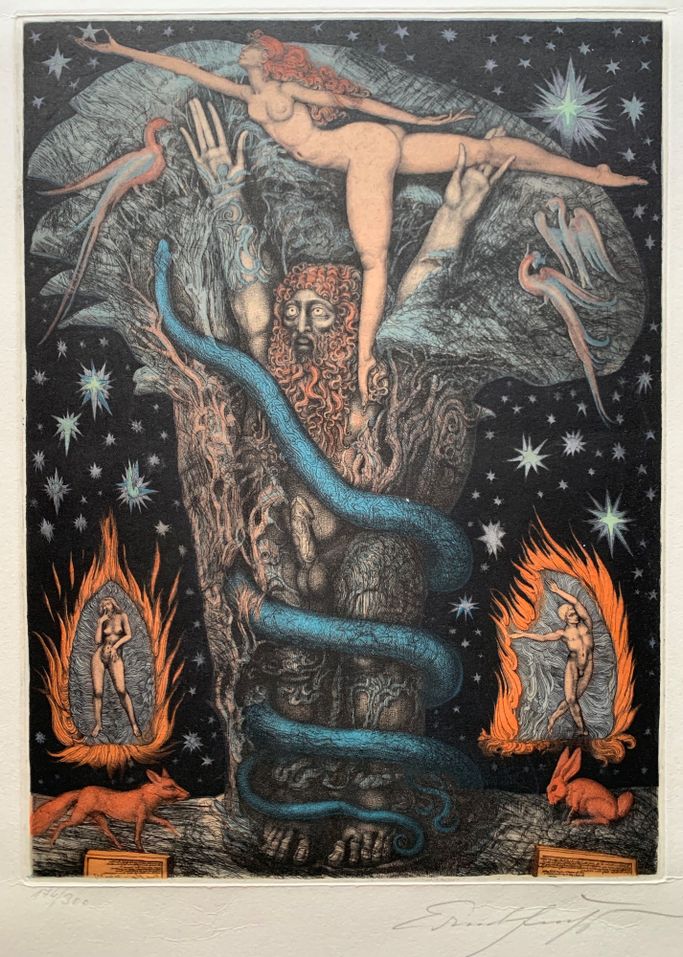
Etchings occupy a special place in Ernst Fuchs’s graphic work. They combine technical precision, fine linework and extraordinary detail with his characteristic imagery drawn from mythology, religion, symbolism and fantasy. The 1960s and 1970s in particular saw the creation of major print series and editions that draw on central motifs in his artistic world.
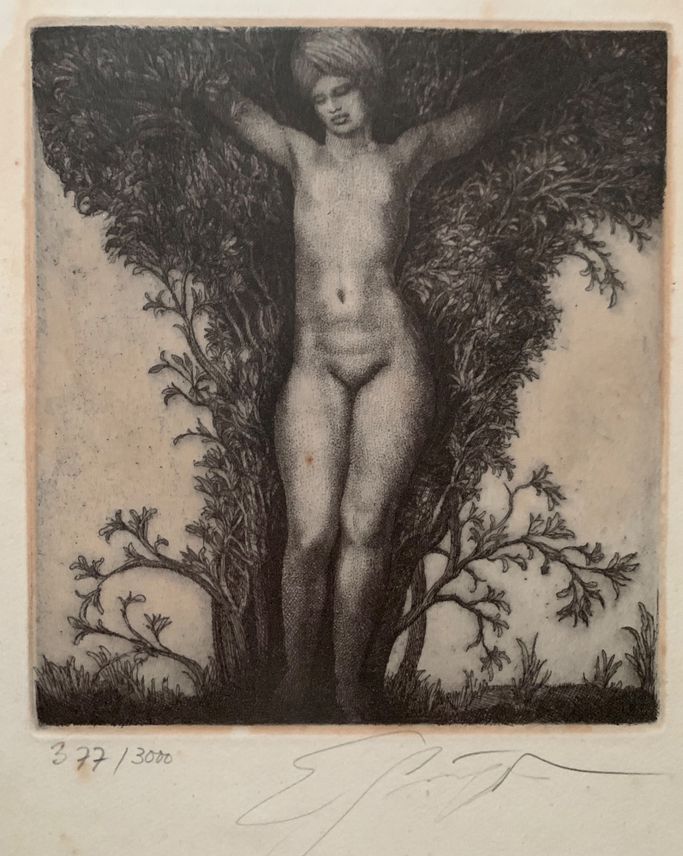
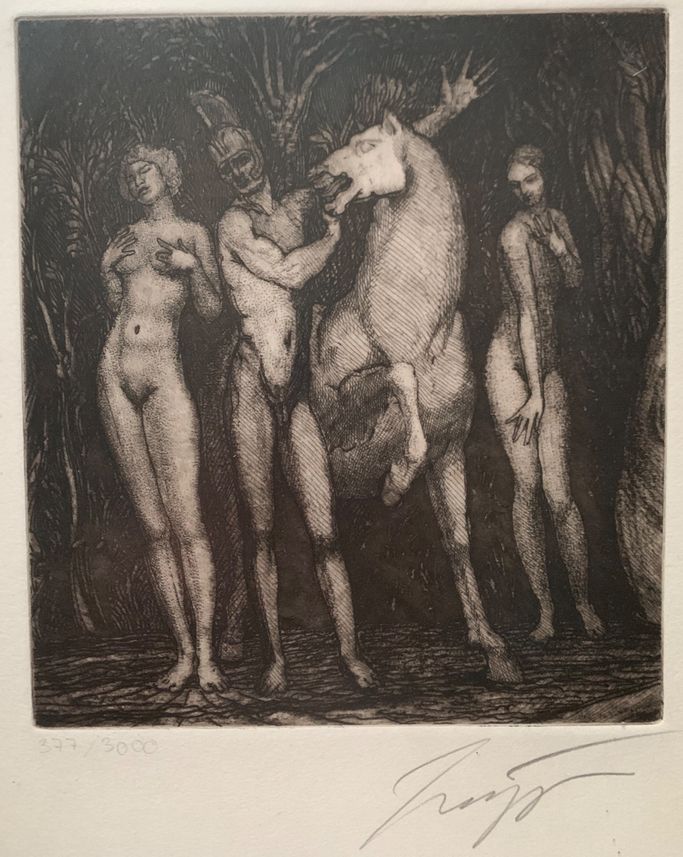
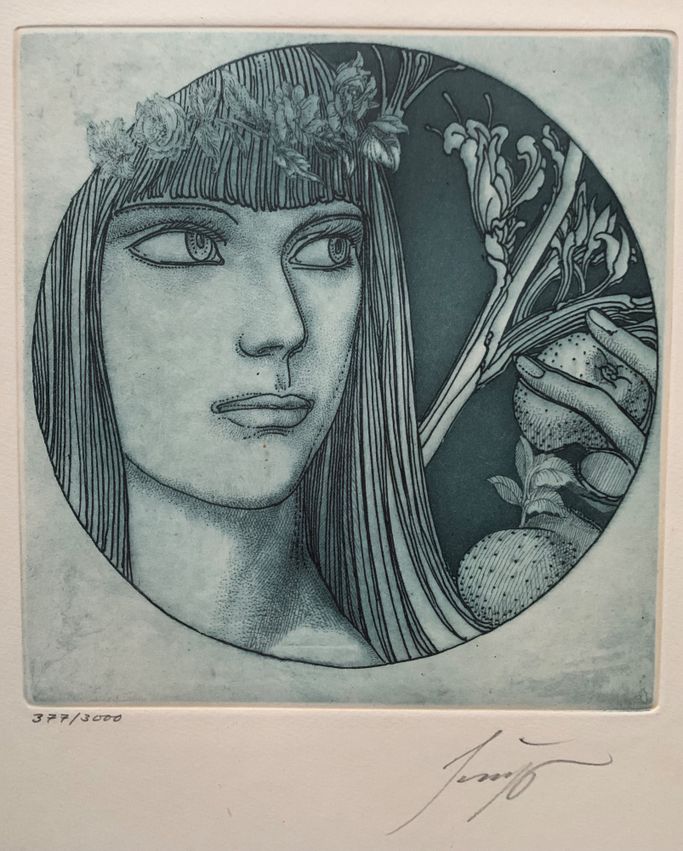
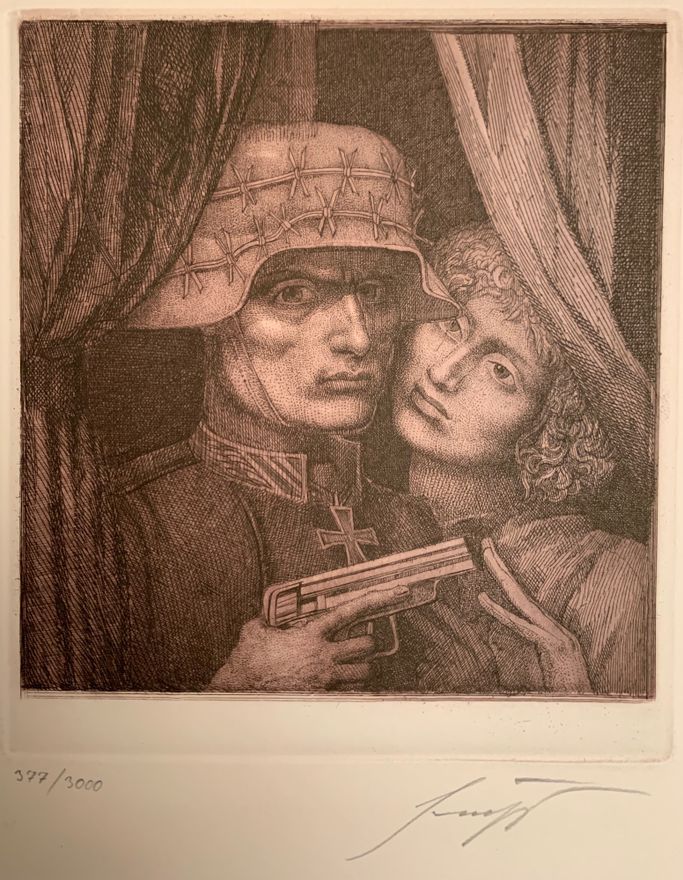
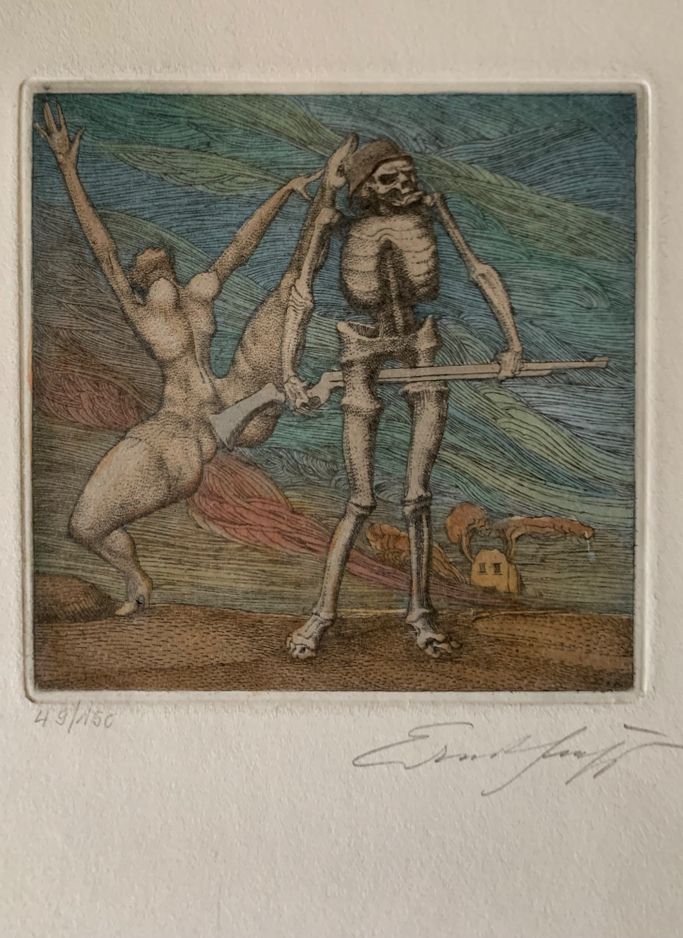
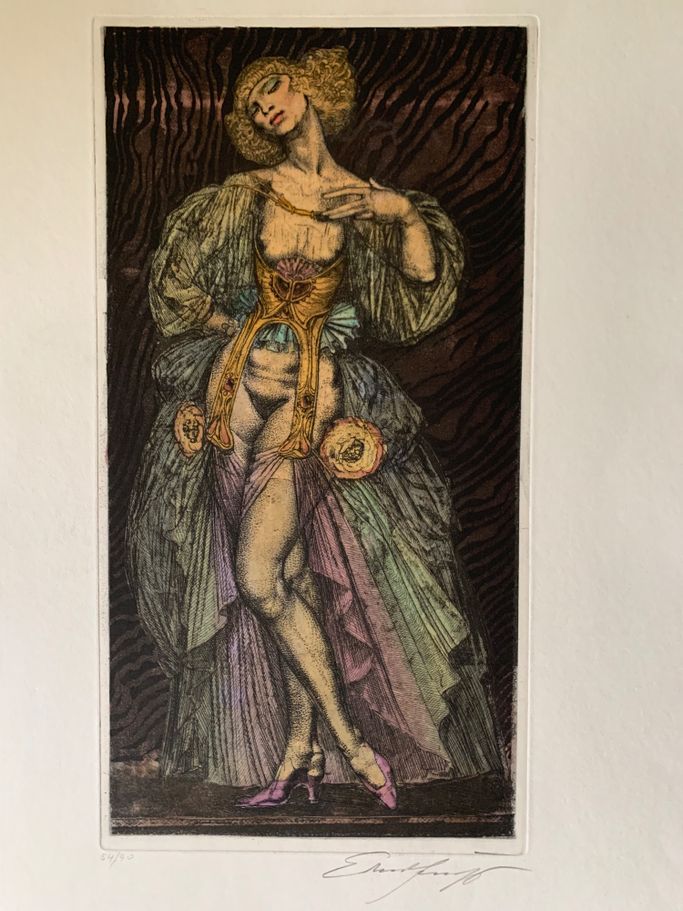
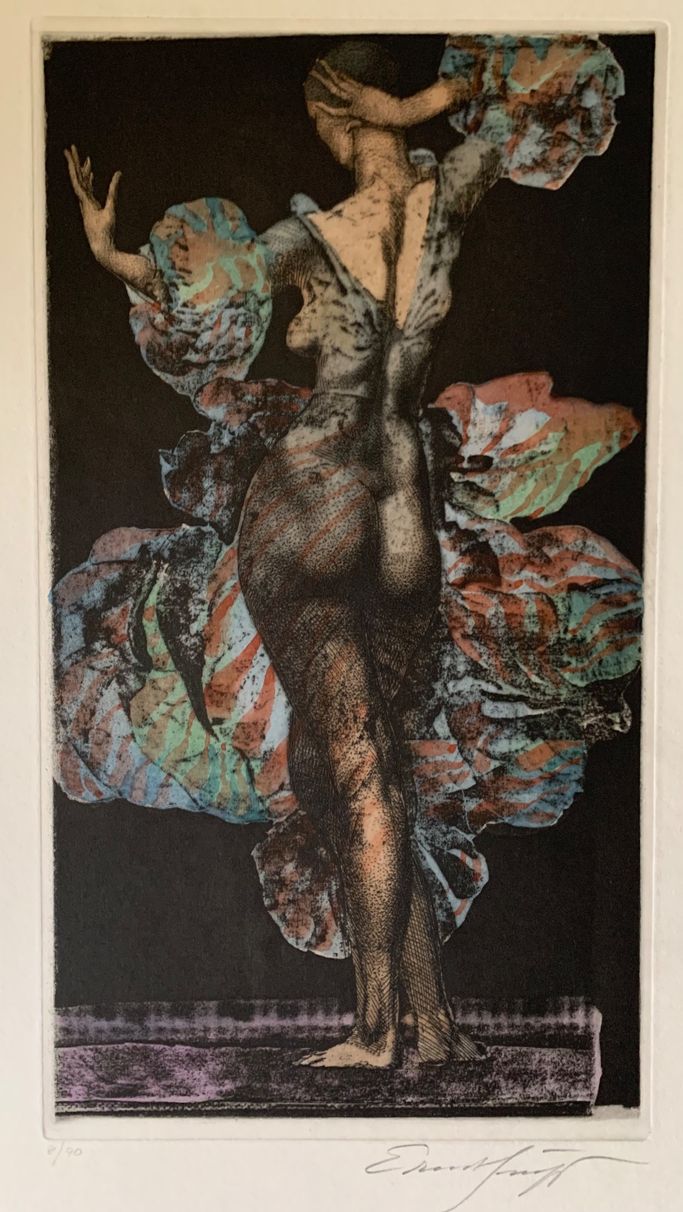
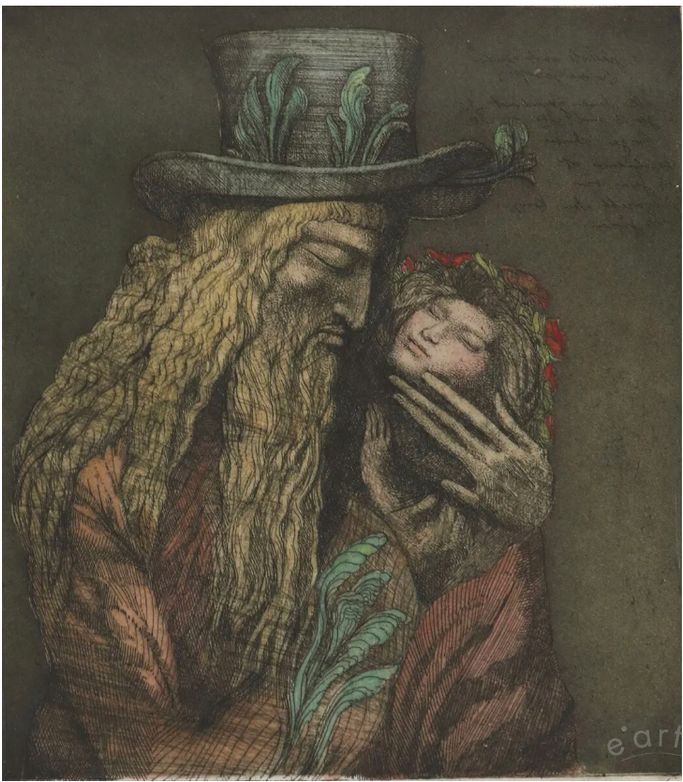
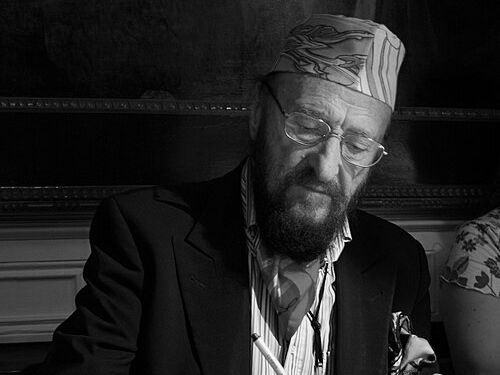
Ernst Fuchs, Wien 2007 · Foto: Tsui / Wikimedia Commons · CC BY-SA 3.0 · Schwarz-Weiß-Konvertierung und leichter Bildzuschnitt
Hand-signed giclées
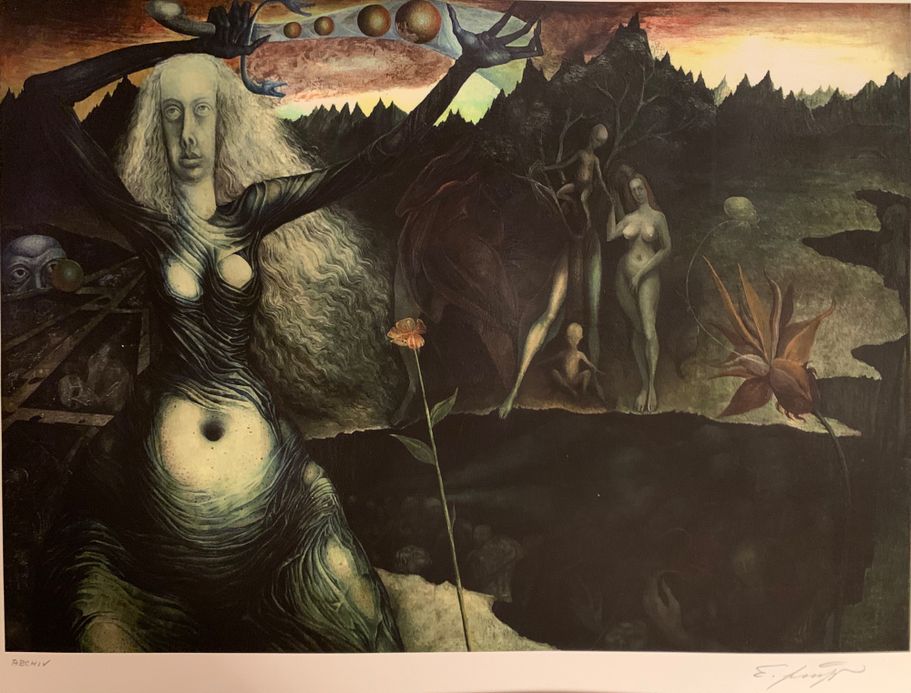
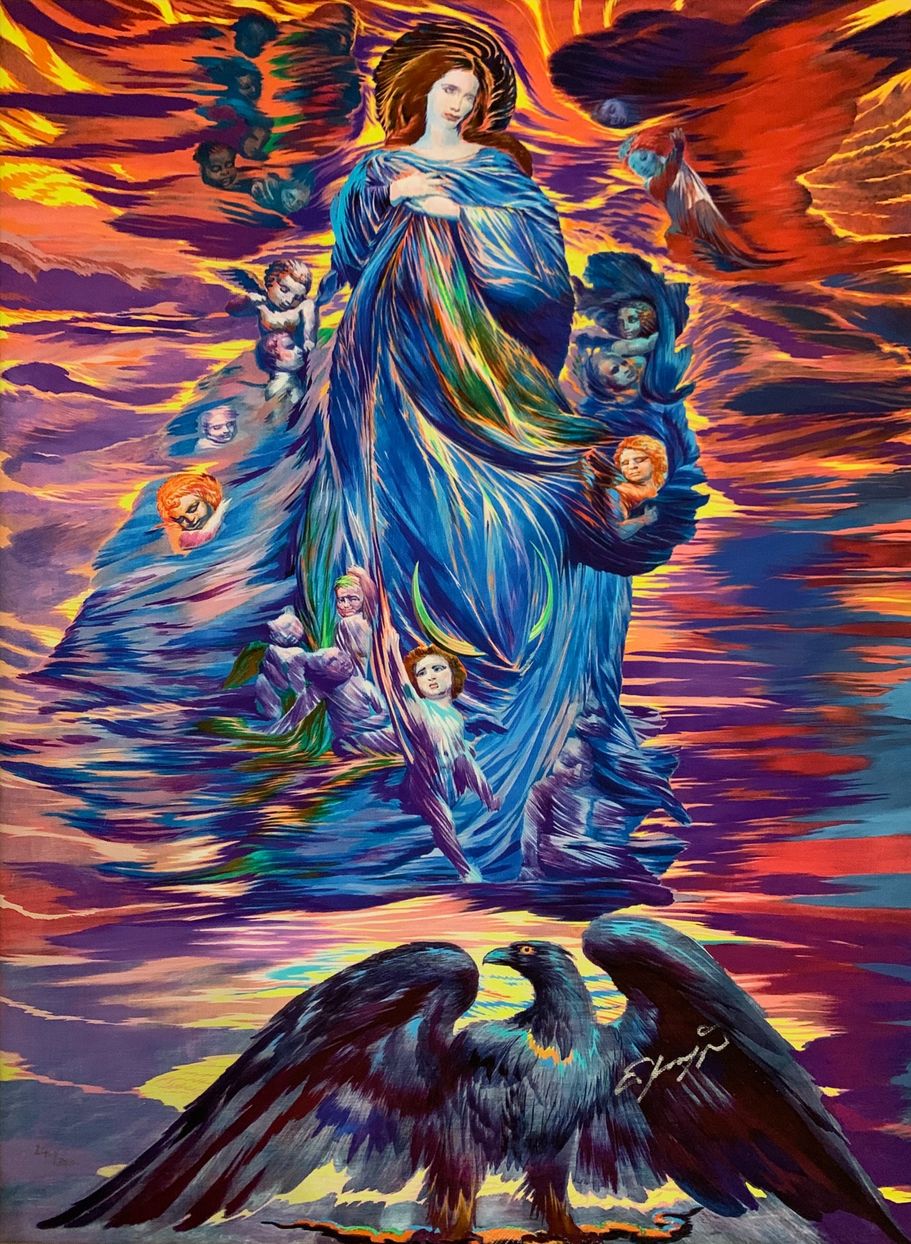
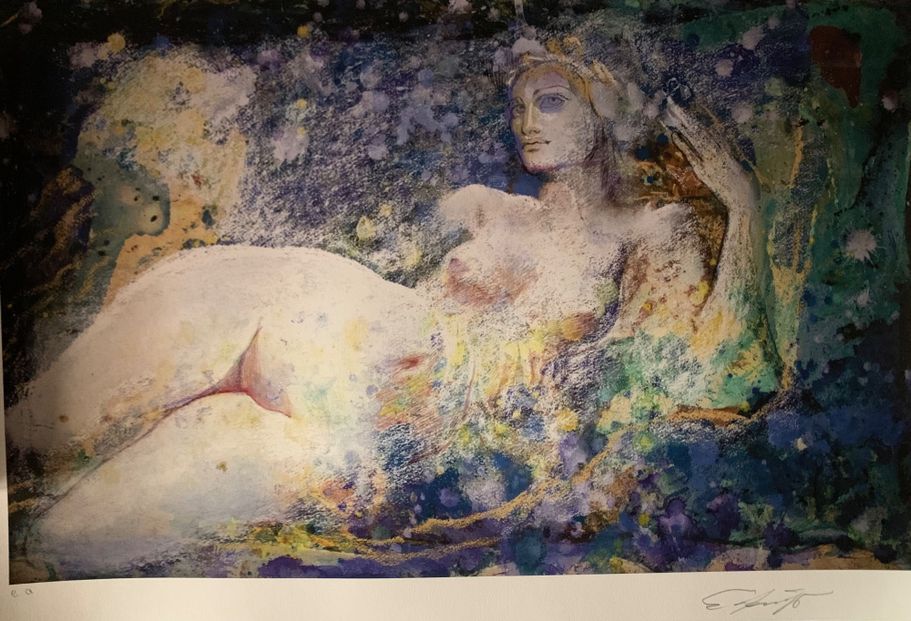
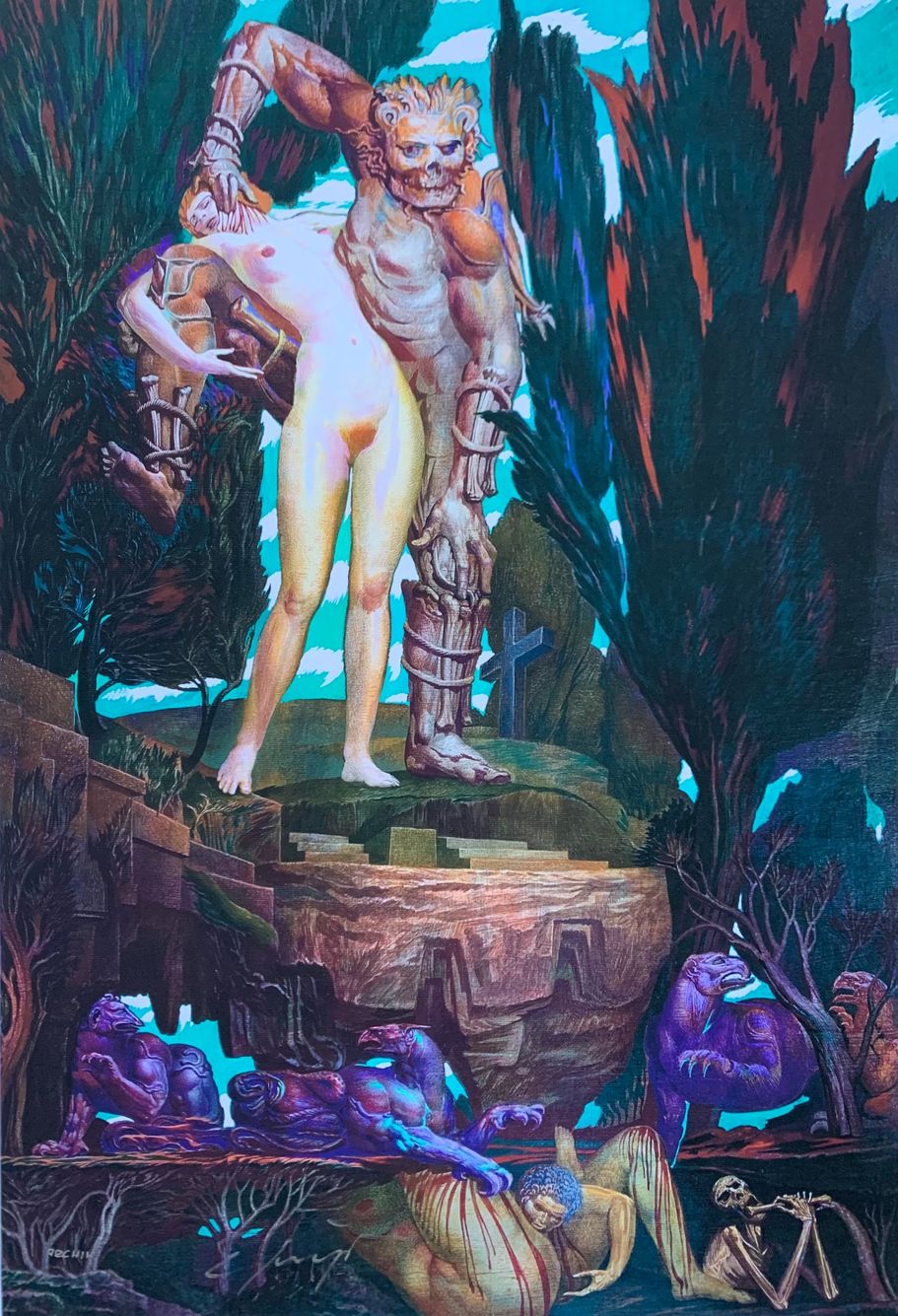
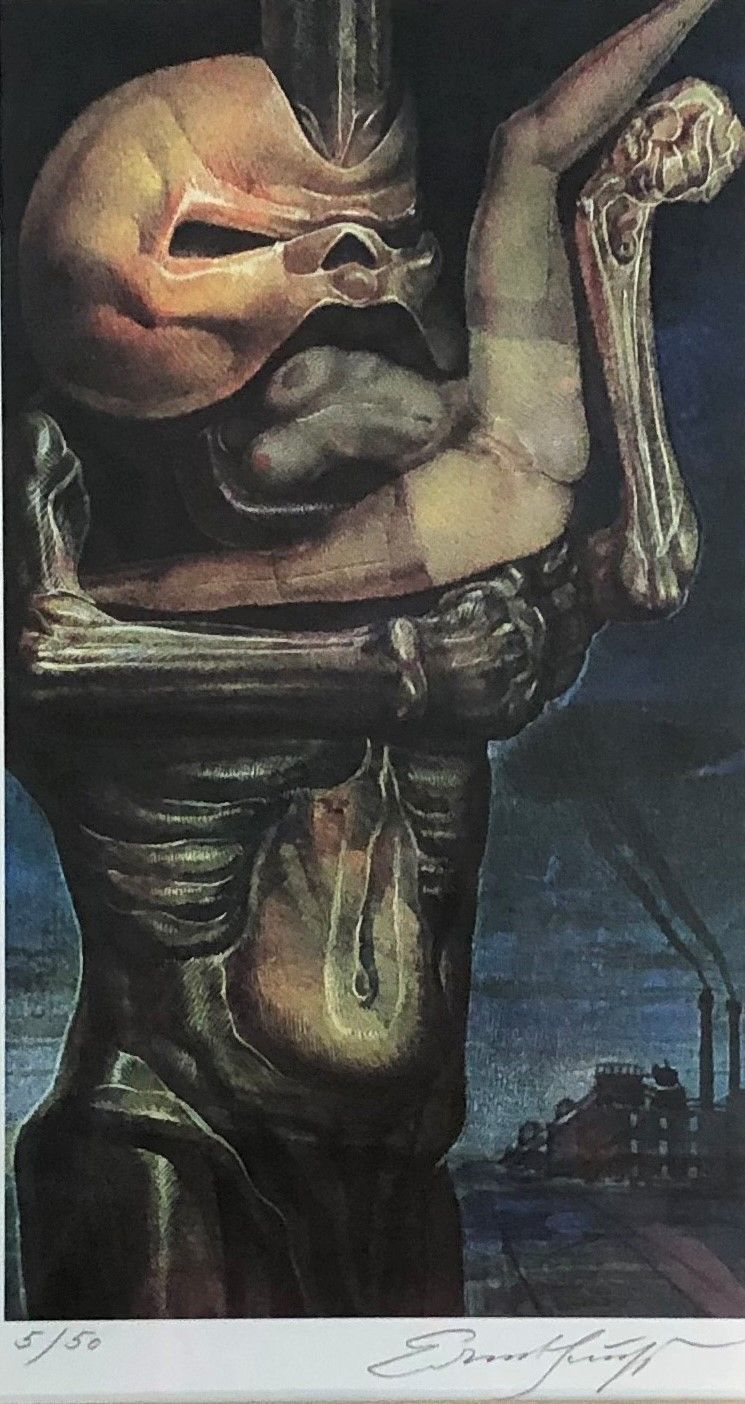
Ernst Fuchs’s hand-signed giclées transfer his characteristic, symbolically charged imagery to a high-quality modern printing process. The works represented in the E. Schuster Collection are signed and numbered by the artist himself and include rare artist’s proofs and limited editions. Comparable works by Fuchs are documented as hand-signed and numbered giclée prints on canvas.
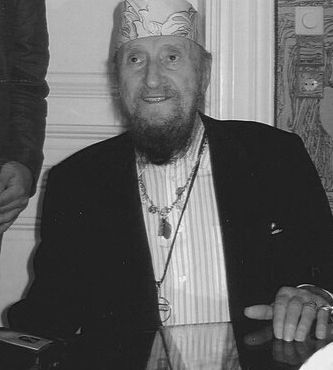
Ernst Fuchs, 2009 · Foto: Robert Schediwy / Wikimedia Commons · CC BY-SA 4.0 · Schwarz-Weiß-Konvertierung und Bearbeitung des Bildausschnitts
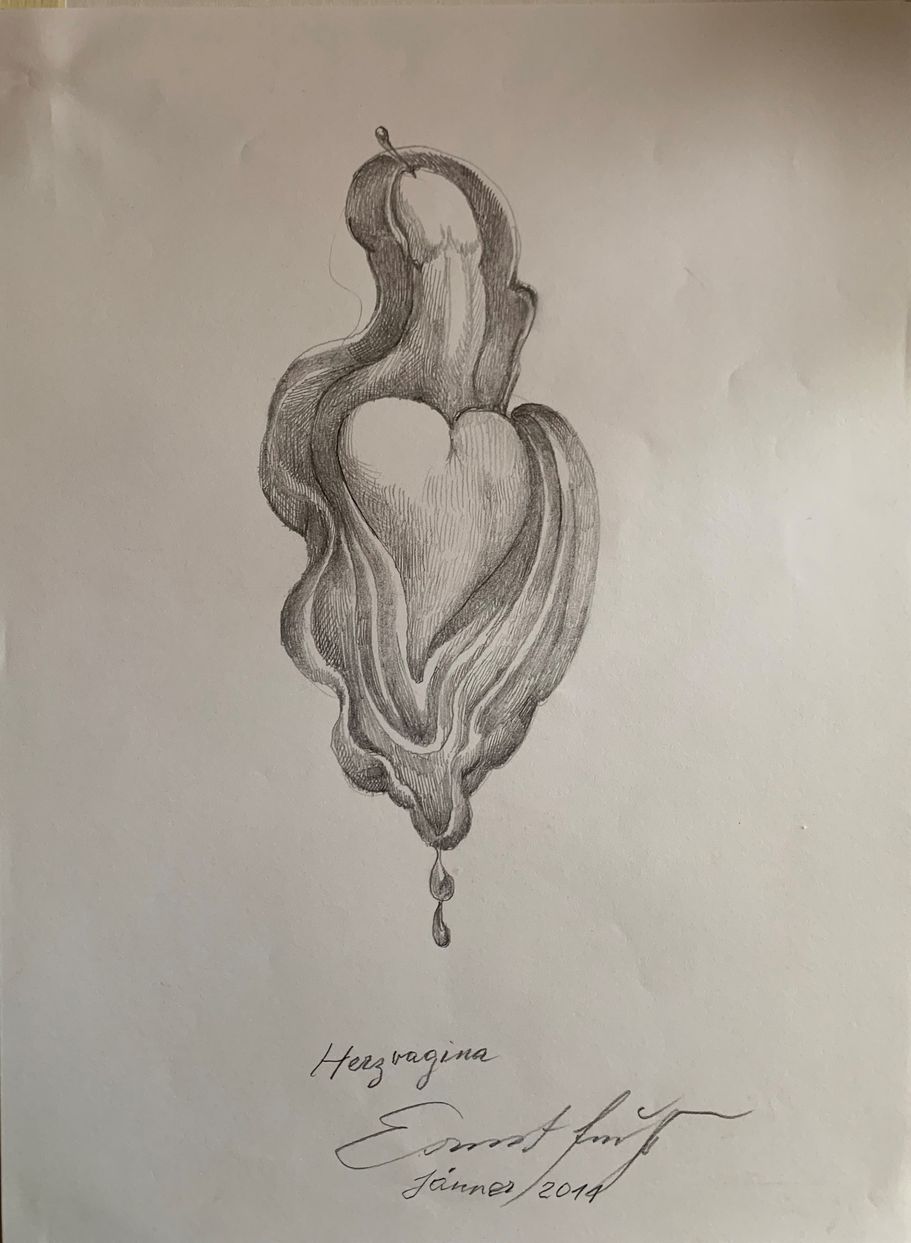
Unique works
Ernst Fuchs’s unique works offer a particularly direct encounter with his artistic style. As one-of-a-kind pieces made by the artist himself, they differ fundamentally from his print editions and reproduced works. Drawing and painting were central to his wide-ranging œuvre, which is marked by religious and mythological symbolism and visionary imagery.