E. SCHUSTER COLLECTION
Pop Art
Art Between Consumerism, Media and Popular Culture
Pop Art is one of the most influential artistic movements of the second half of the 20th century. Images drawn from advertising, consumer culture, comics, film and mass media became the starting point for a new visual language that deliberately challenged traditional boundaries between so-called high art and popular culture.
The E. Schuster Collection reflects this development through selected works and contemporary artistic approaches. Alongside classic Pop Art themes, the collection includes works that further develop its visual language, combining elements of comics, politics, consumer culture and contemporary society.
Within the collection, Pop Art thus forms a colourful and distinctly contemporary counterpoint to the classical and historically oriented areas of the collection.
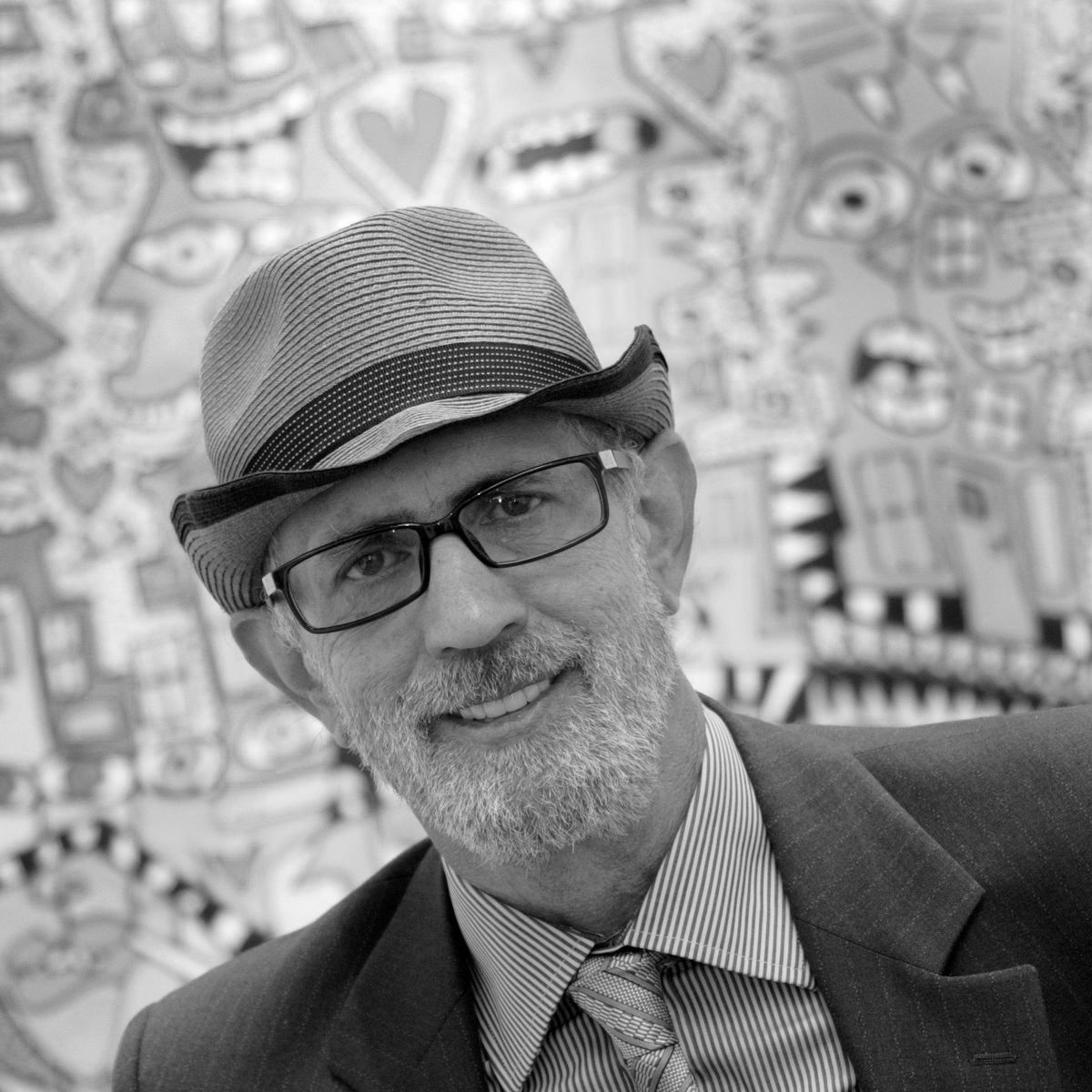
James Rizzi
(1950–2011)
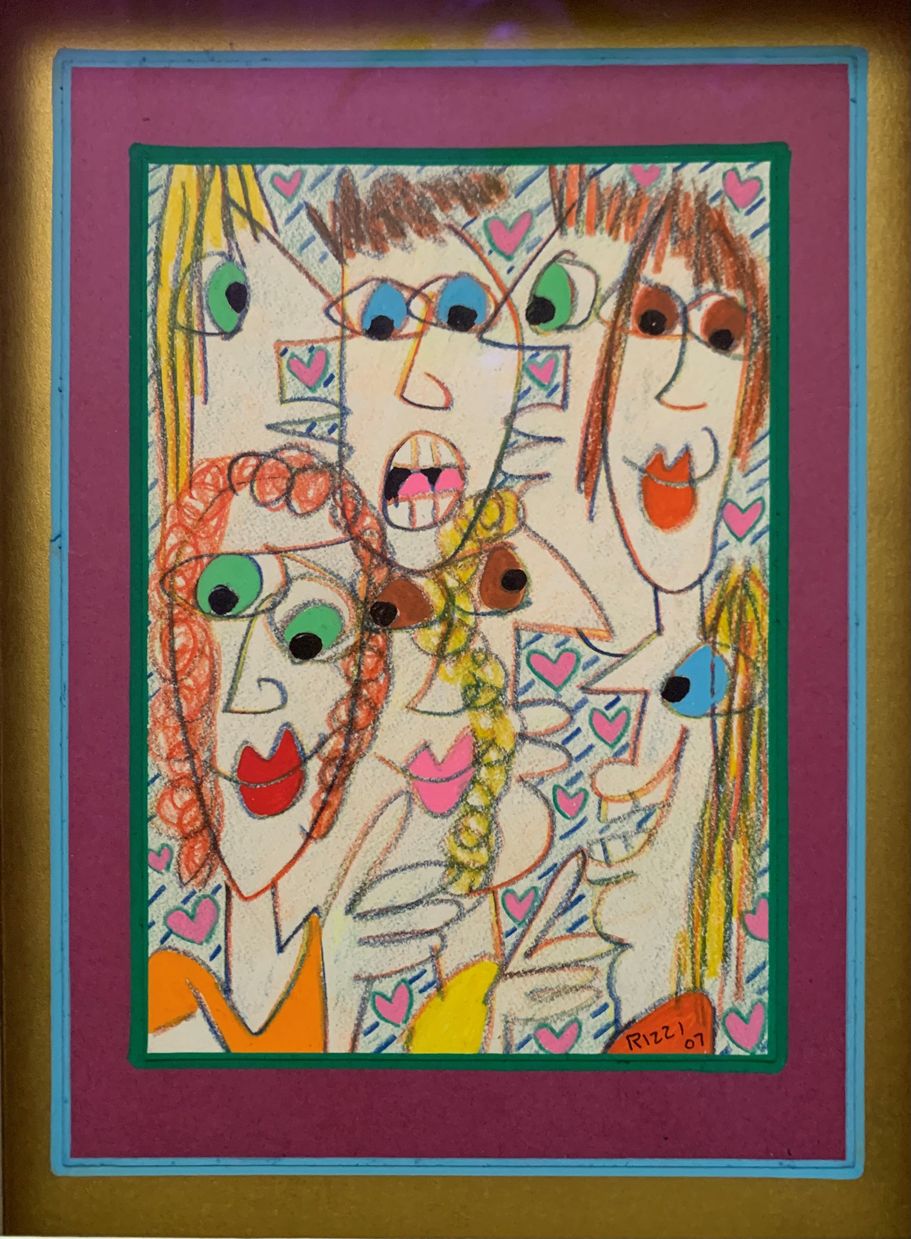
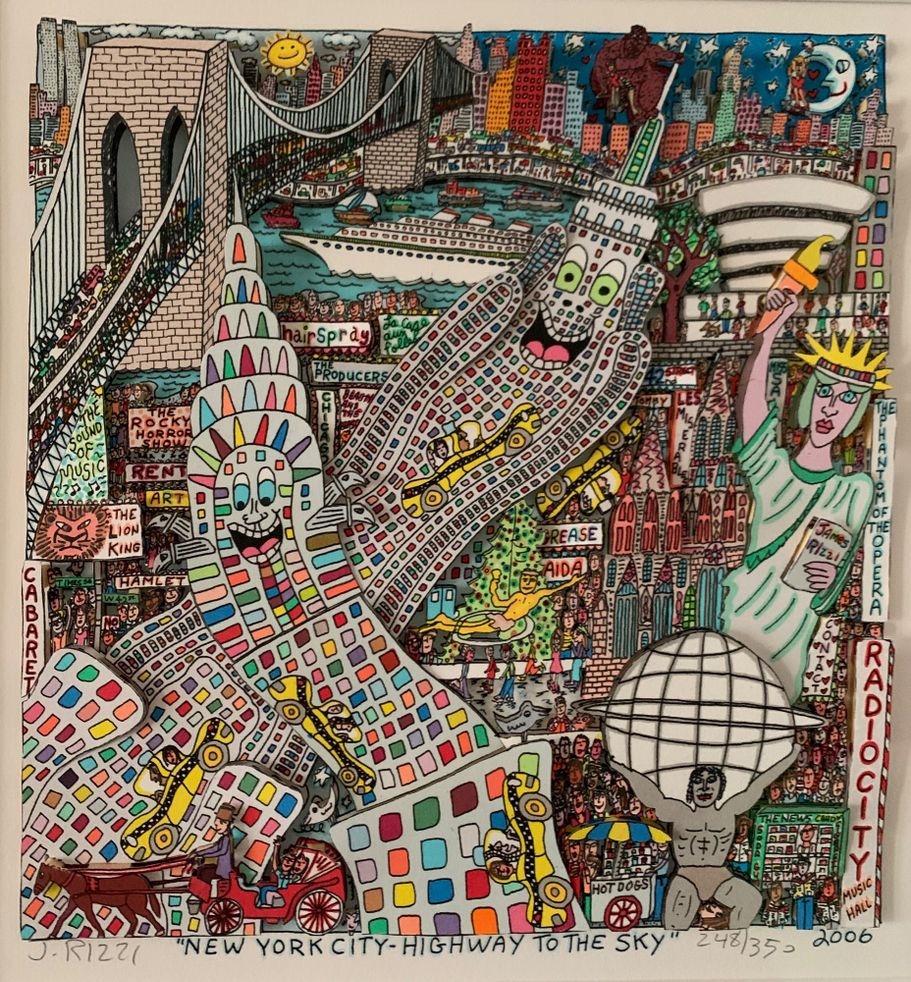
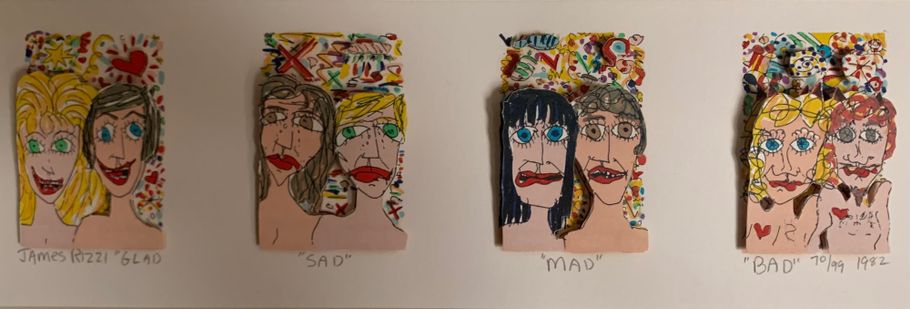
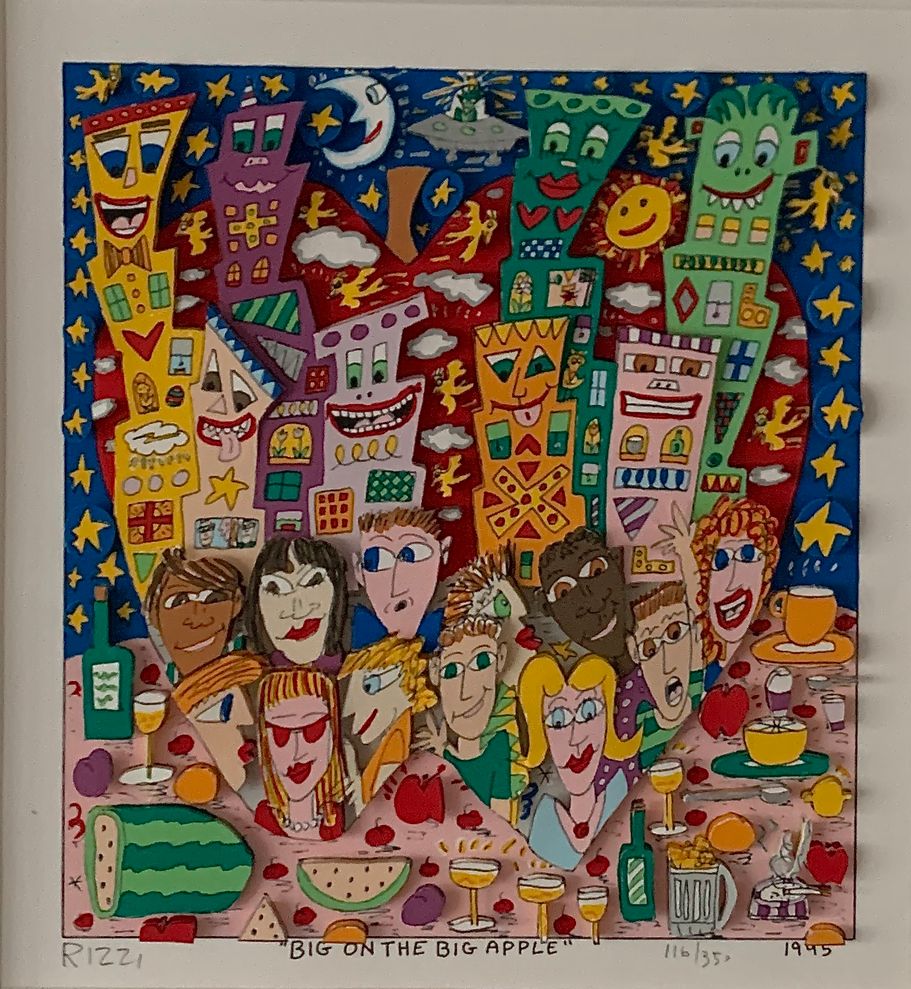
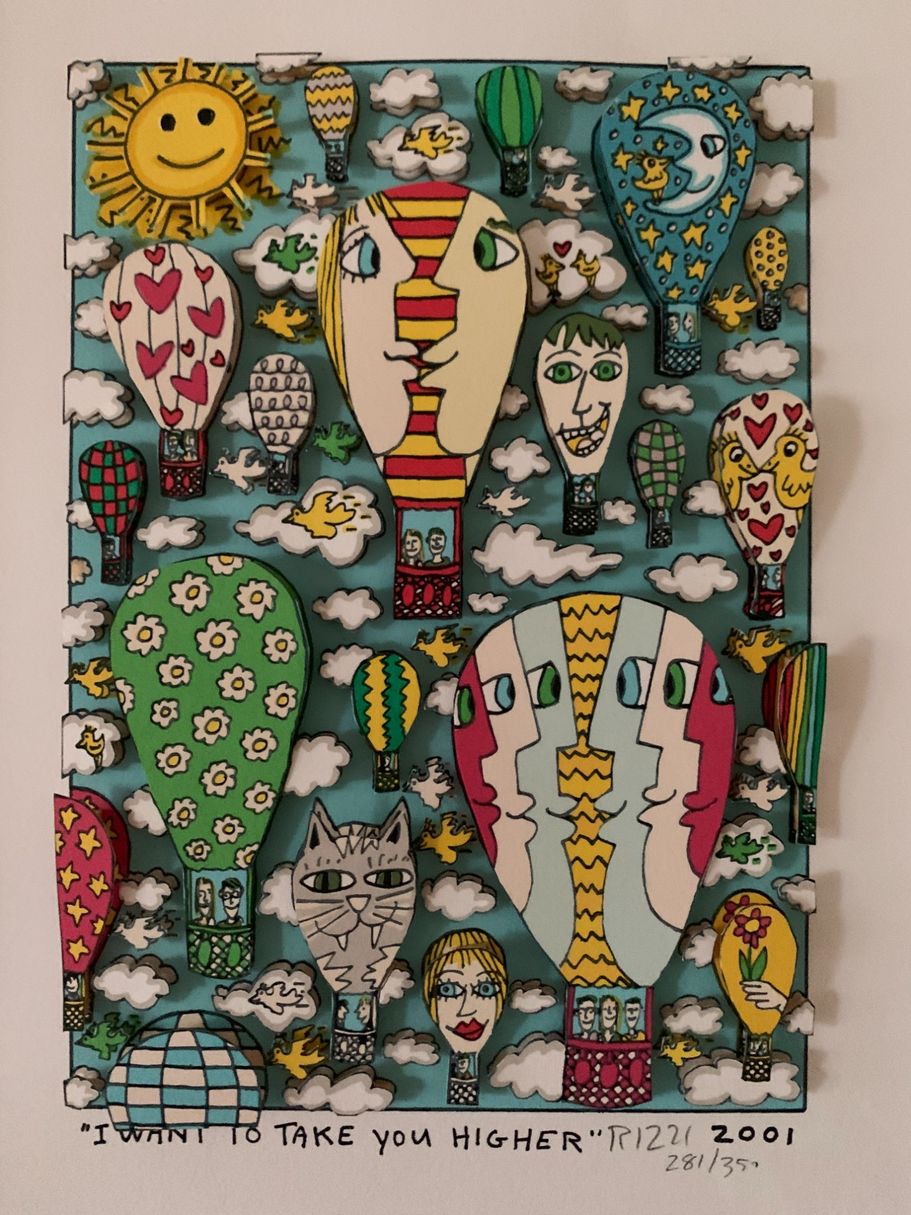
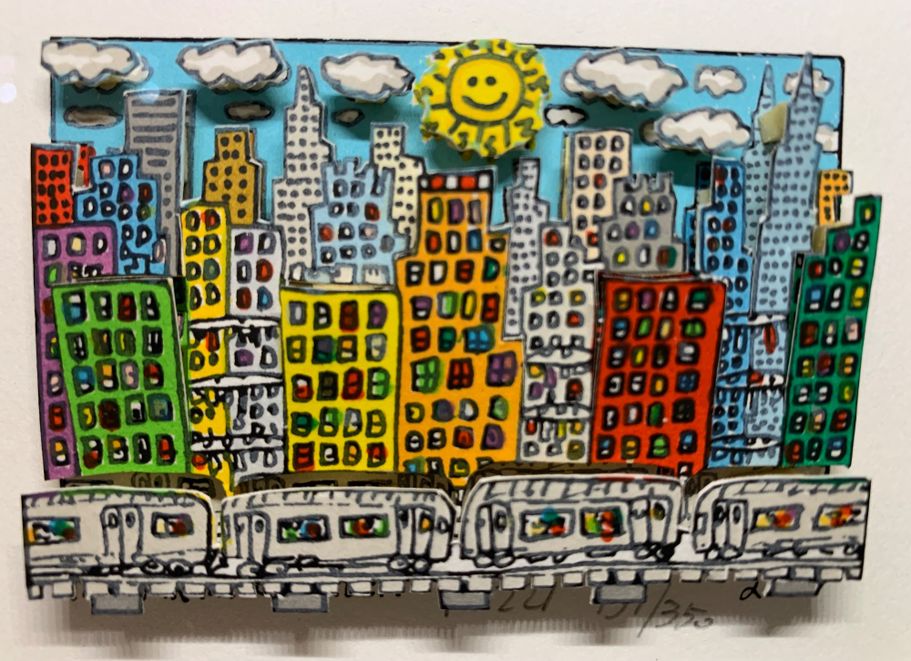
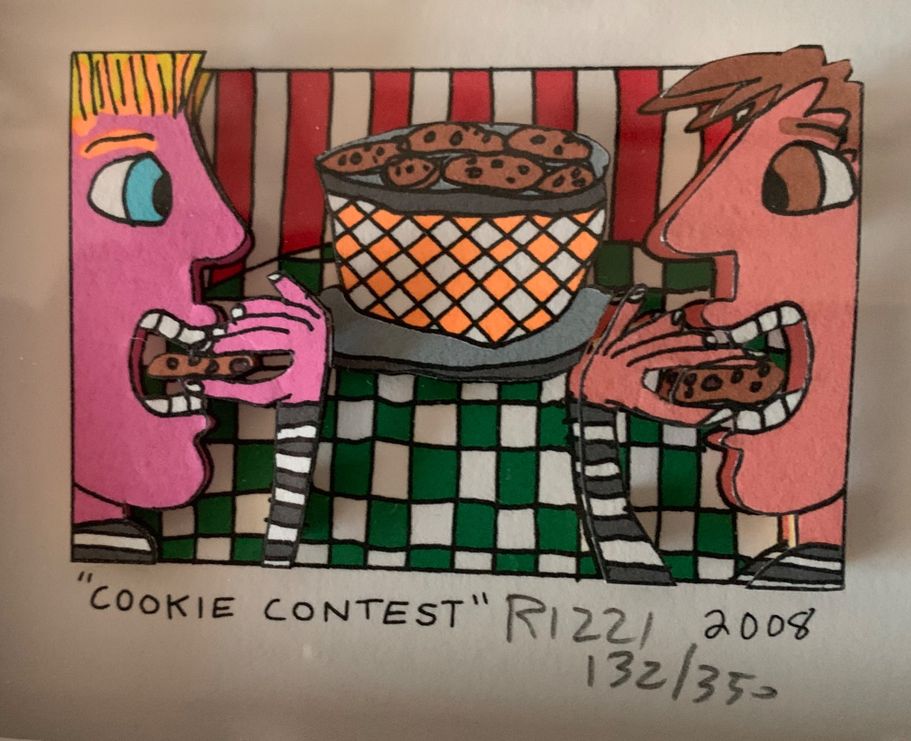
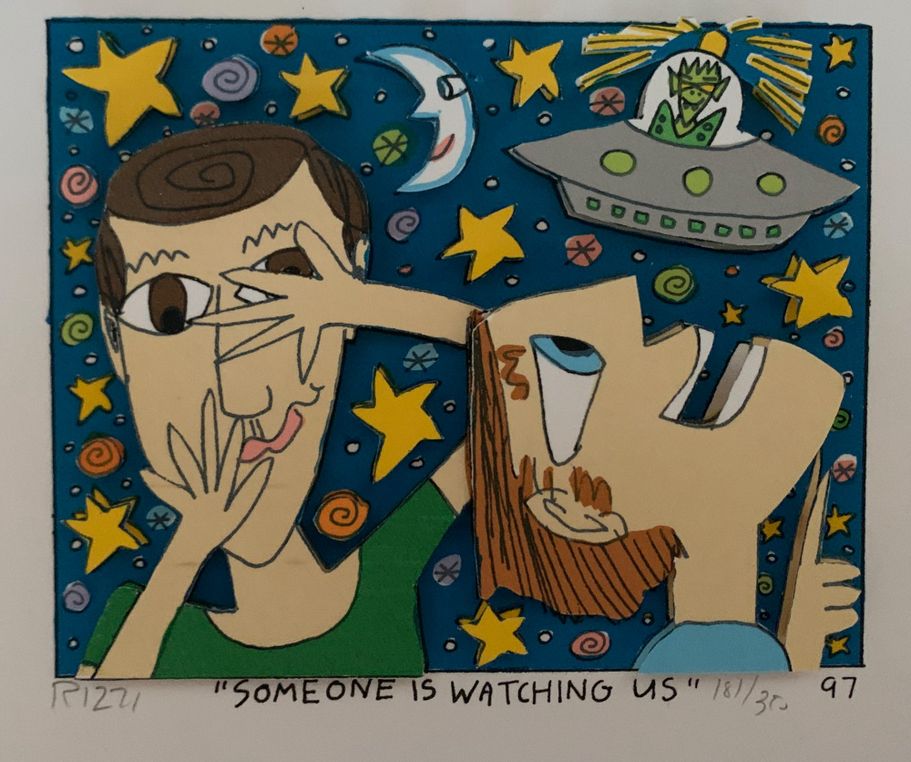
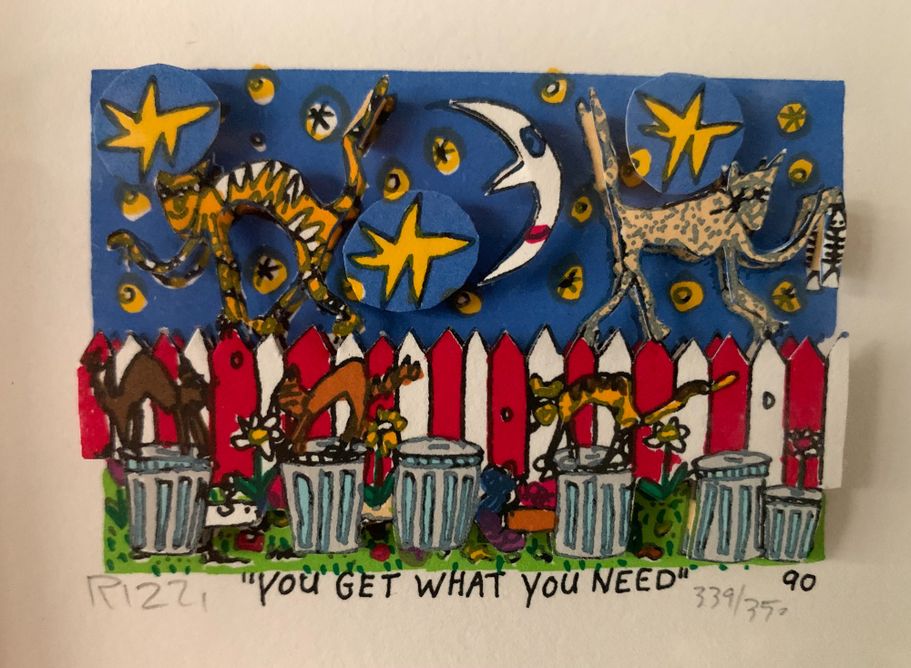
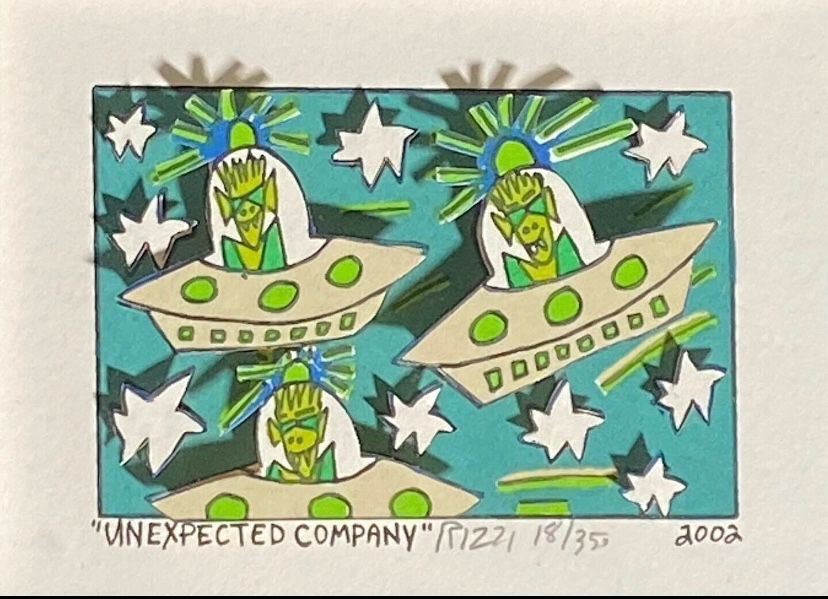
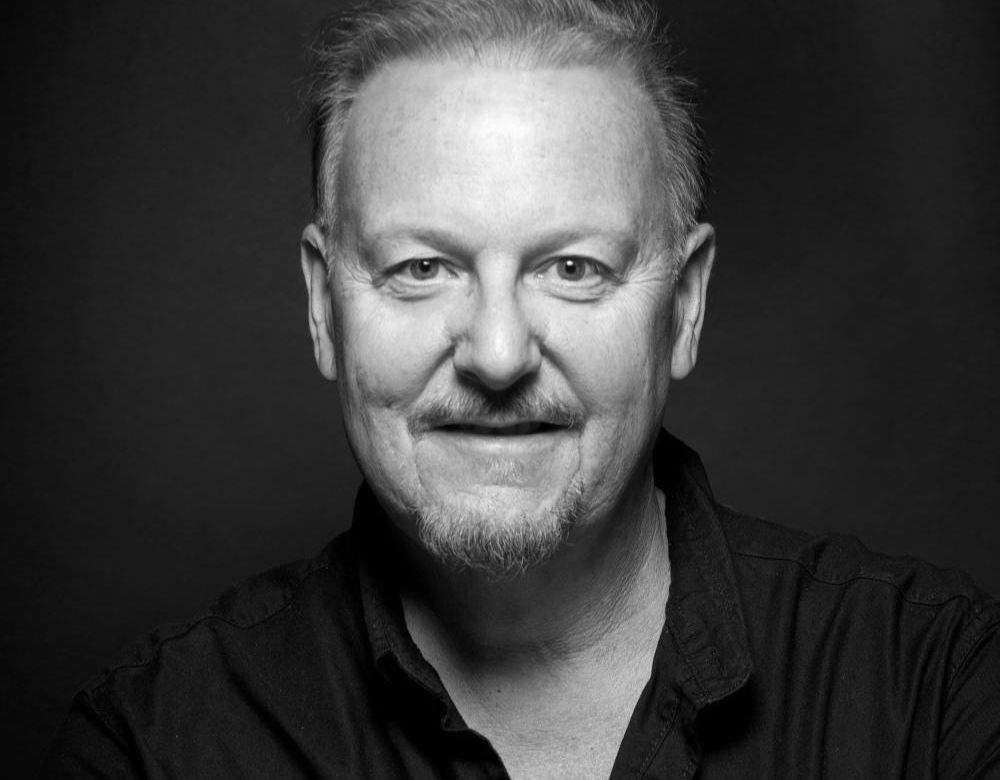
James Rizzi was an American artist and one of the popular representatives of a colourful visual language influenced by Pop Art and urban everyday culture. He became particularly well known for his three-dimensional prints and works on paper, whose overlapping pictorial layers give his works their characteristic spatial effect.
His favourite subjects included New York, vibrant city life and human encounters. Buildings, people, hearts, stars and imaginative figures come together to create lively visual worlds full of humour and narrative detail. Bright colours, black outlines and a deliberately playful formal language make his works instantly recognisable.
Charles Fazzino
Born in New York in 1955
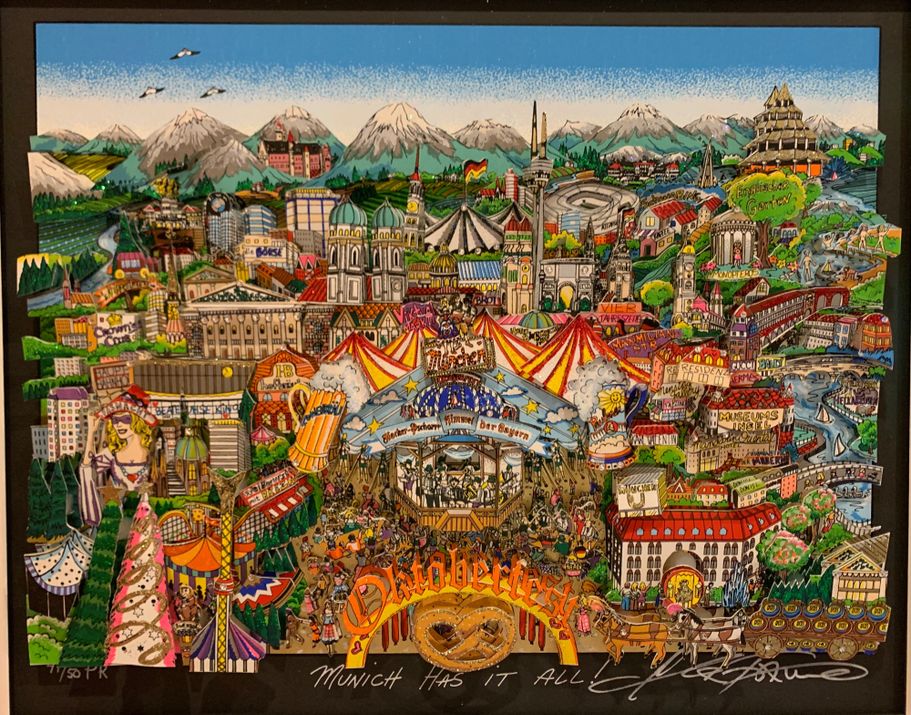
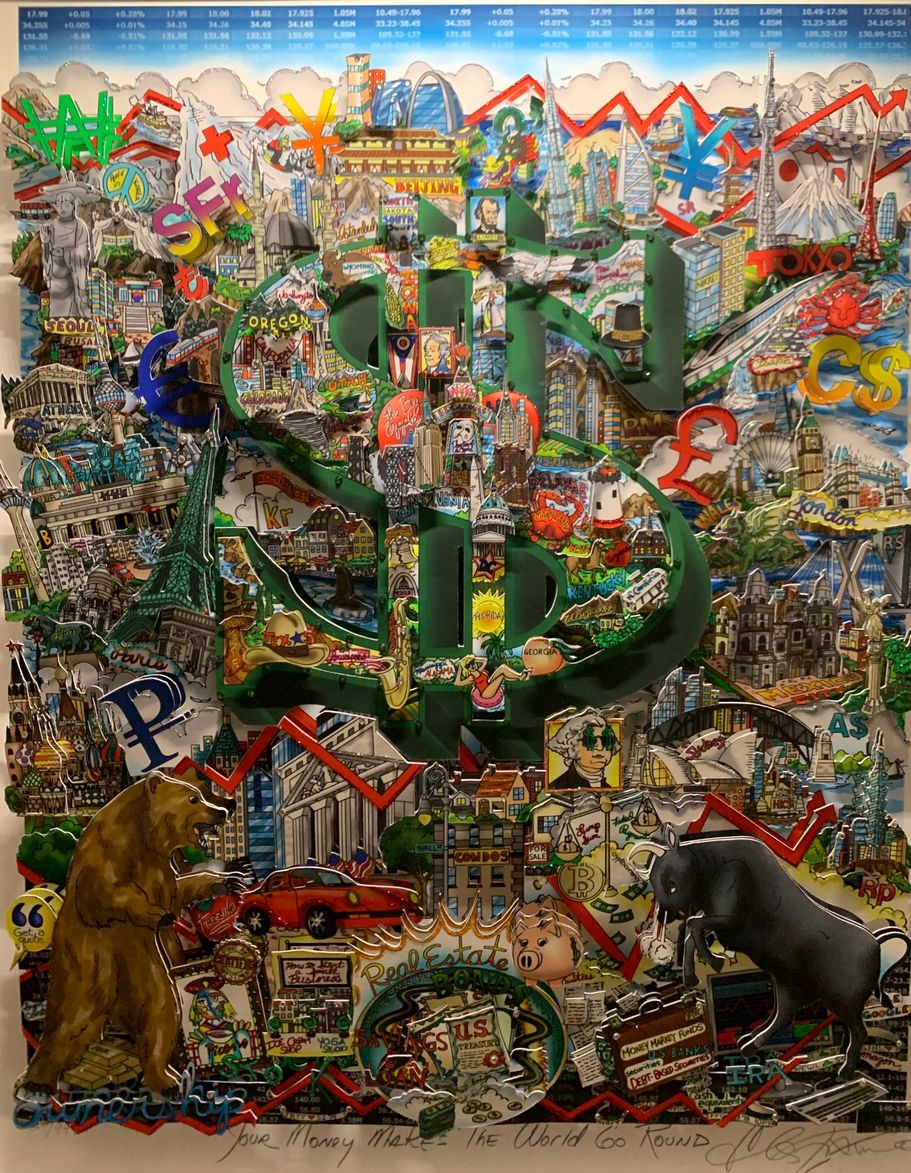
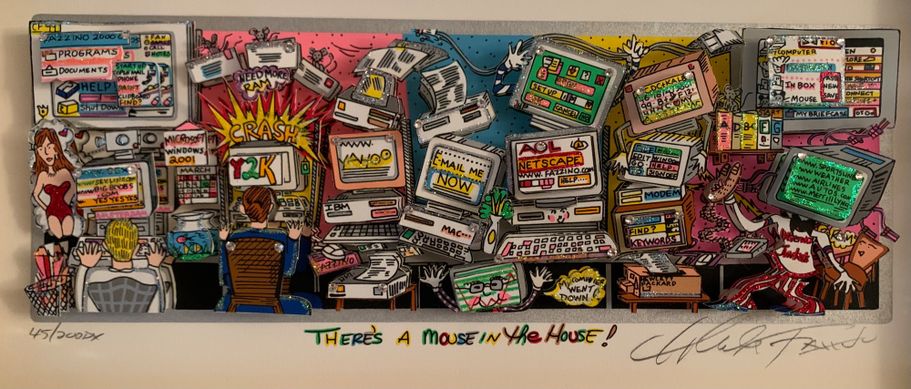
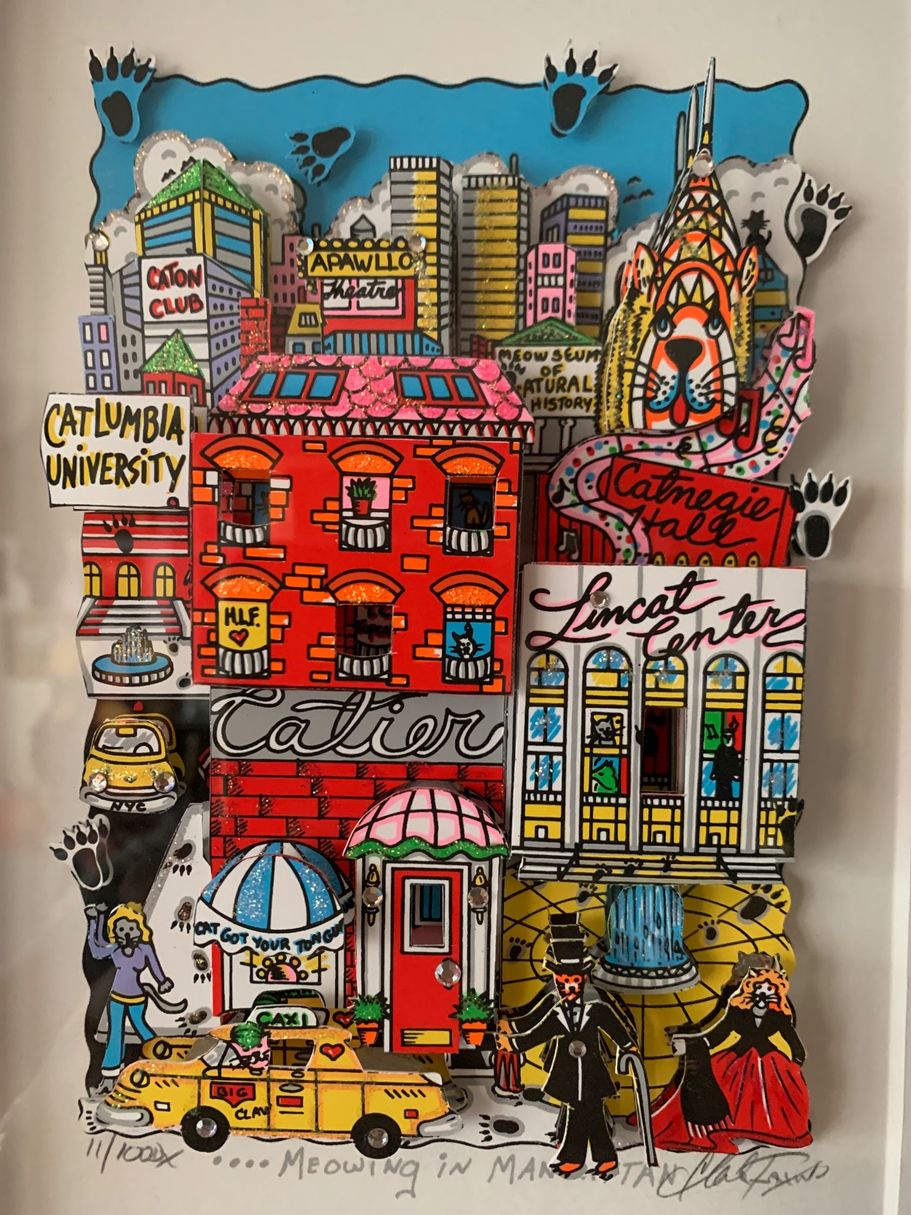
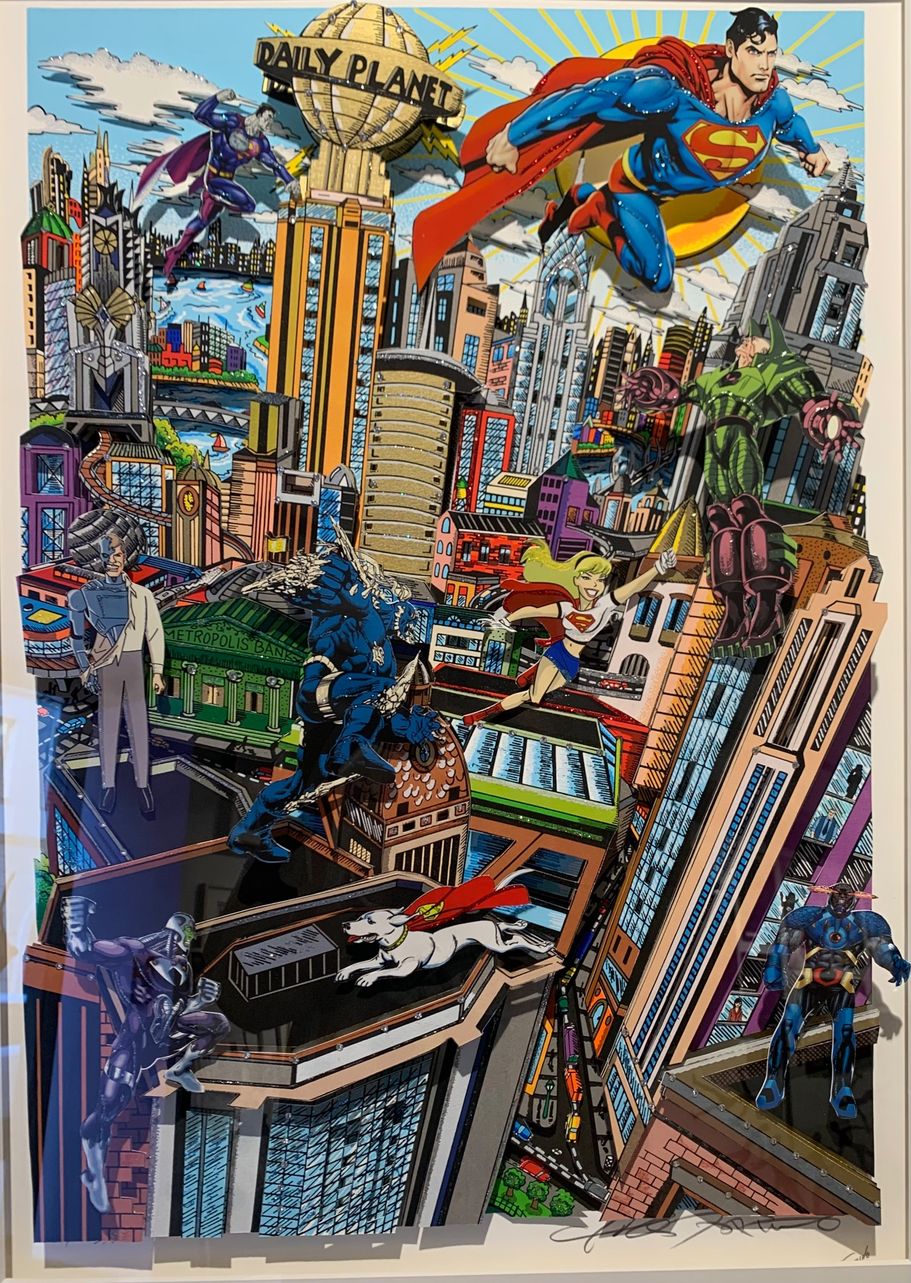
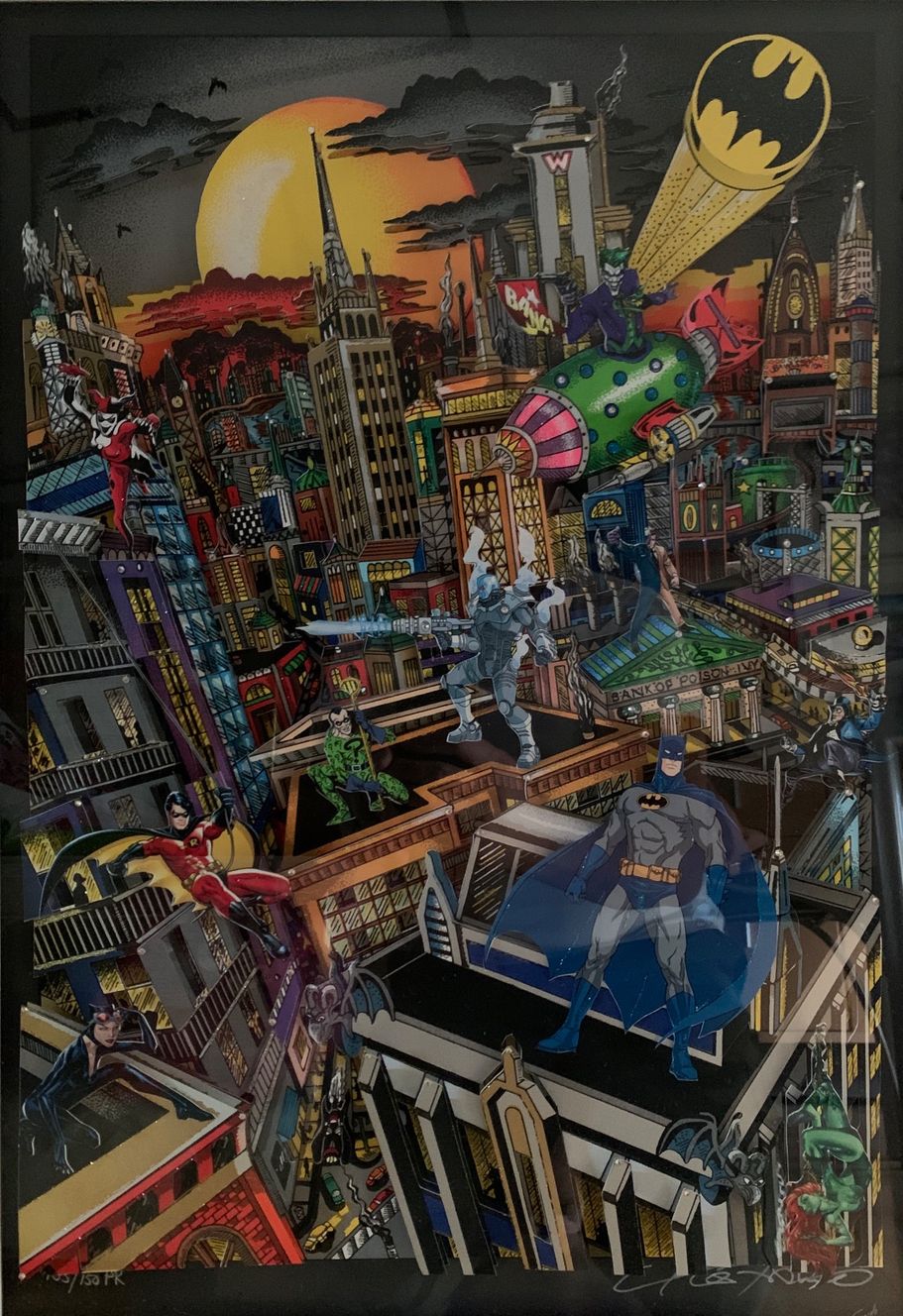
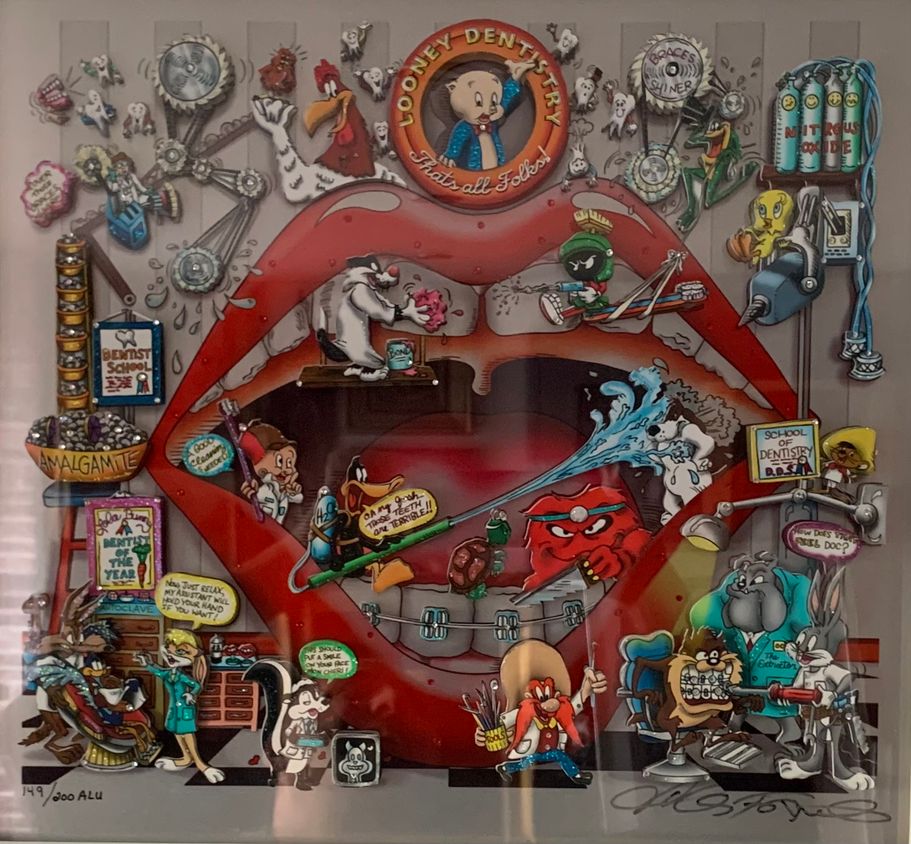
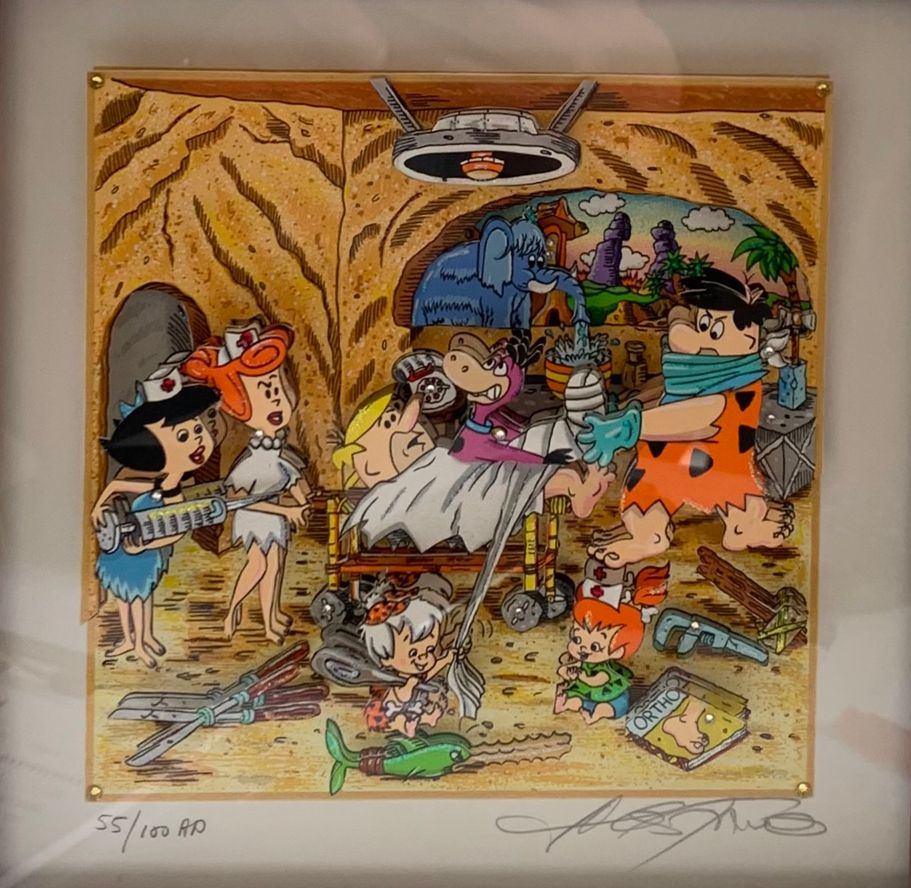
Charles Fazzino is one of the internationally best-known representatives of contemporary Pop Art. His work is characterised by elaborately composed three-dimensional visual worlds in which architecture, urban life, popular culture and social events are brought together in colourful panoramas.
His artistic work is particularly closely associated with New York. In his compositions, Fazzino transforms urban spaces, landmarks and scenes of modern life into richly detailed visual narratives. His characteristic 3D technique creates multilayered pictorial spaces whose numerous figures and motifs invite viewers to make new discoveries.
With his unmistakable visual language, Fazzino has given three-dimensional Pop Art an internationally recognisable identity.

Patrick Rubinstein
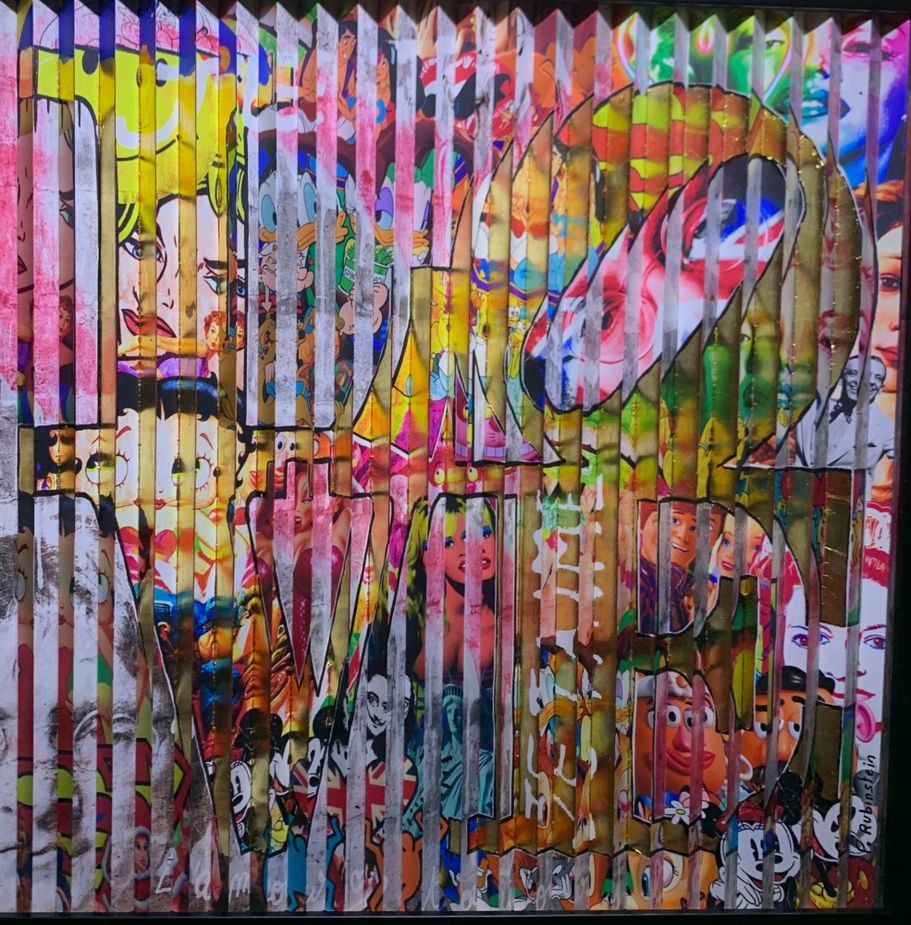
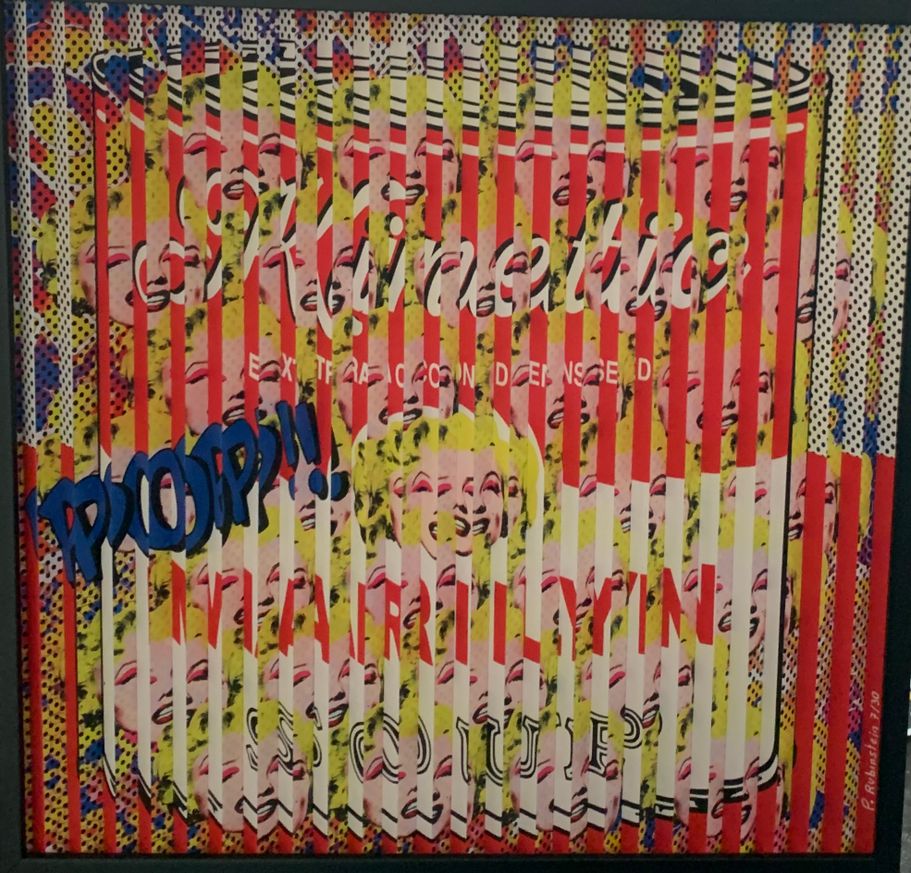
Patrick Rubinstein is a French artist and a distinctive representative of contemporary kinetic Pop Art. His works are characterised by the combination of several pictorial motifs within a single artwork. Through their relief-like, slatted construction, the image changes depending on the viewer's position, creating a dynamic interplay of visual impressions.
His visual world combines motifs from popular culture with art-historical references and elements of Op Art. Icons such as Marilyn Monroe appear alongside allusions to artists and artistic movements of the 20th century. Colour, movement and perception thus become central elements of his work.
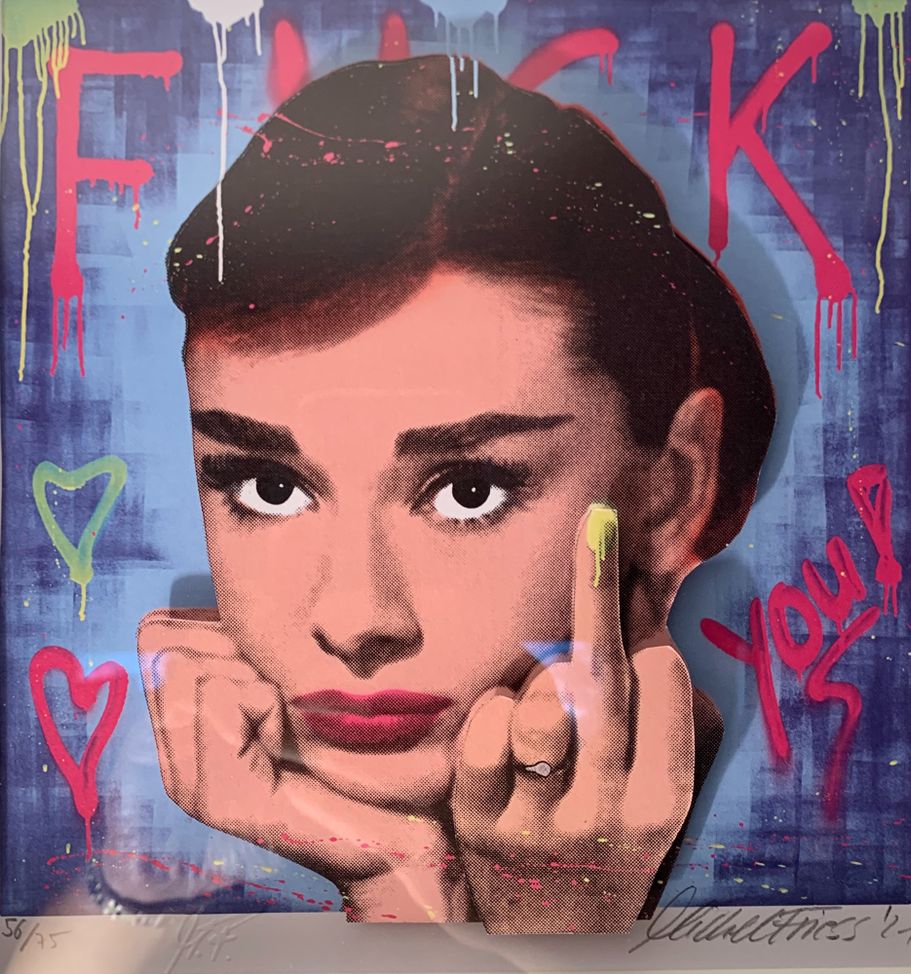
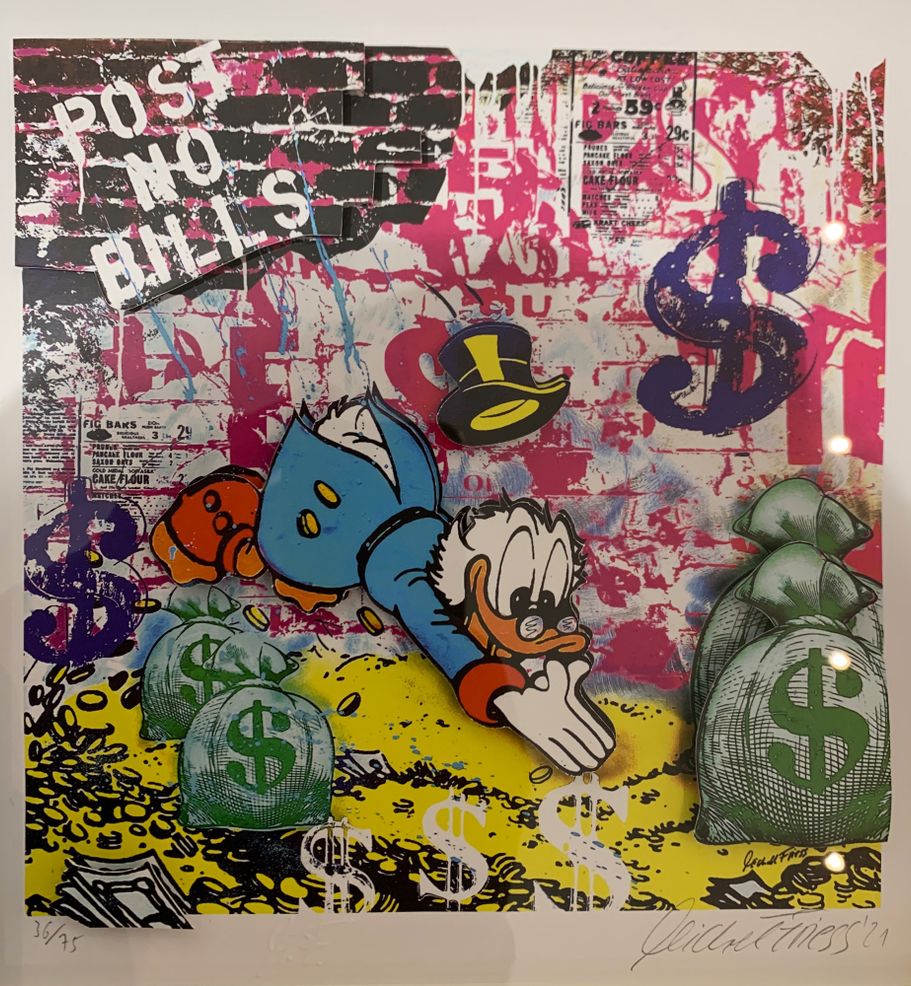
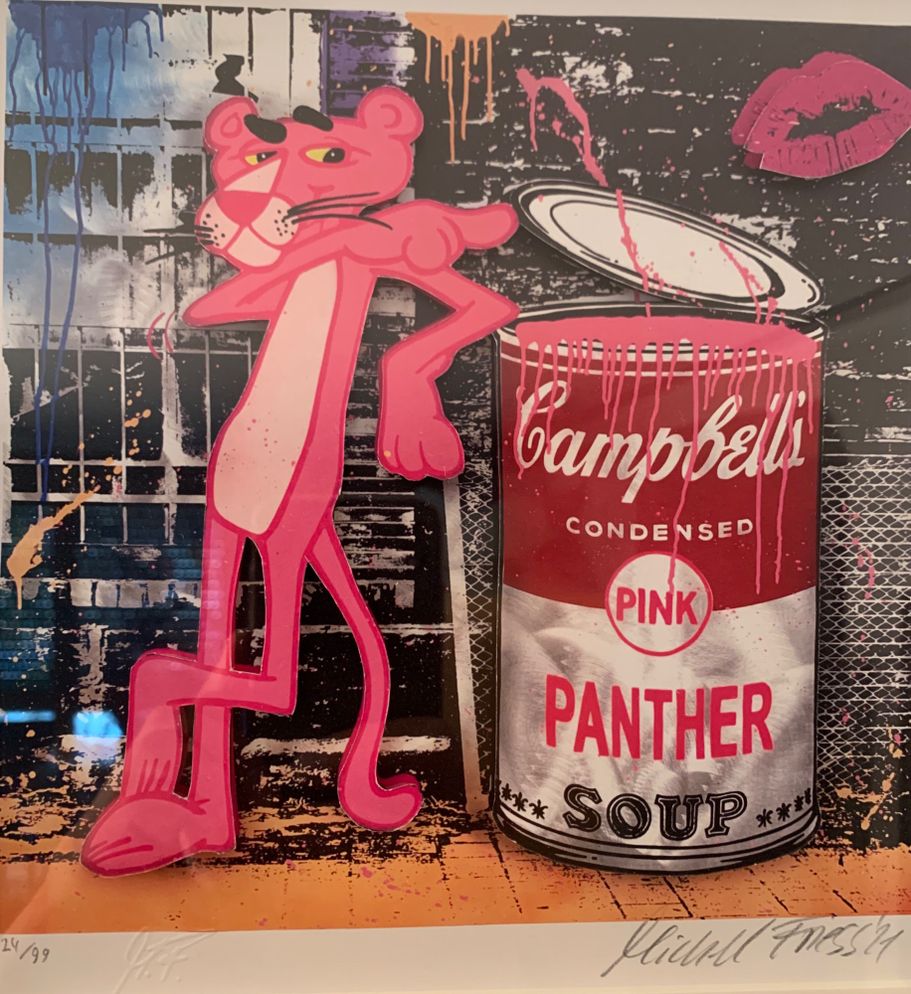
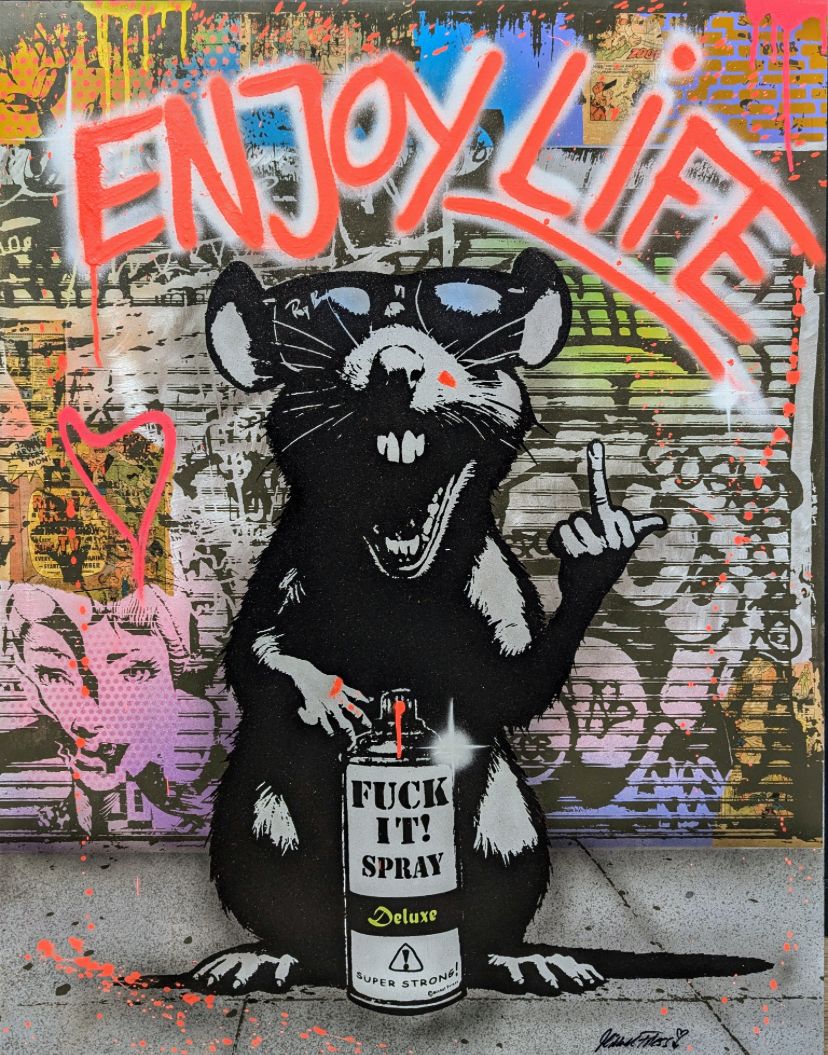
Michel Friess
Born in Neustadt an der Weinstraße in 1970
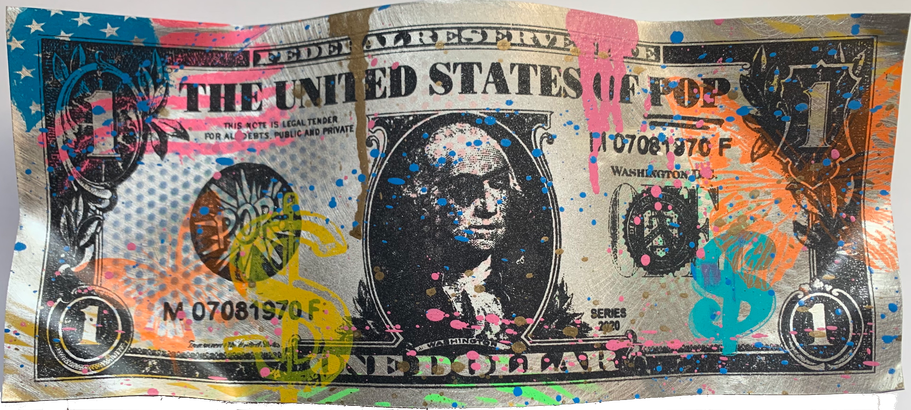
Michel Friess is a German contemporary Pop Art artist. His works combine motifs from international popular culture with elements of street art, graffiti and advertising. Comic characters, film icons, brand imagery and symbols of consumer society are reinterpreted in colourful, multilayered compositions.
Friess is characterised by his combination of different techniques and materials. Through overlapping layers, lettering and graphic elements, he creates dynamic pictorial surfaces that deliberately draw on the visual language of urban environments. At the same time, the artist explores consumerism, money, luxury and social values in a playful and sometimes provocative manner.
His works thus exemplify a contemporary evolution of Pop Art in which familiar visual symbols are placed in new, immediately recognisable contexts.

Thomas Jankowski
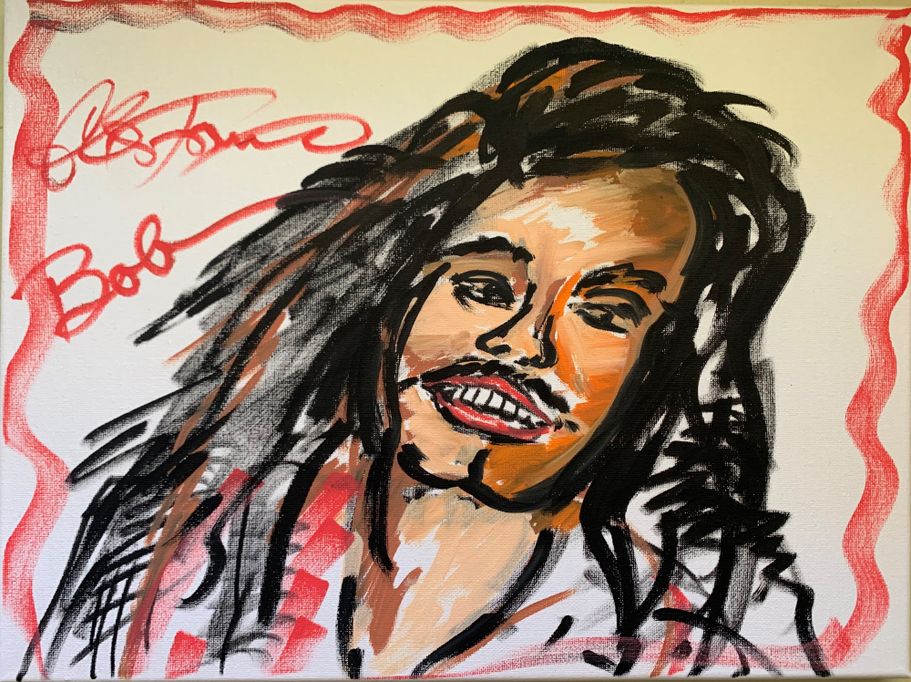
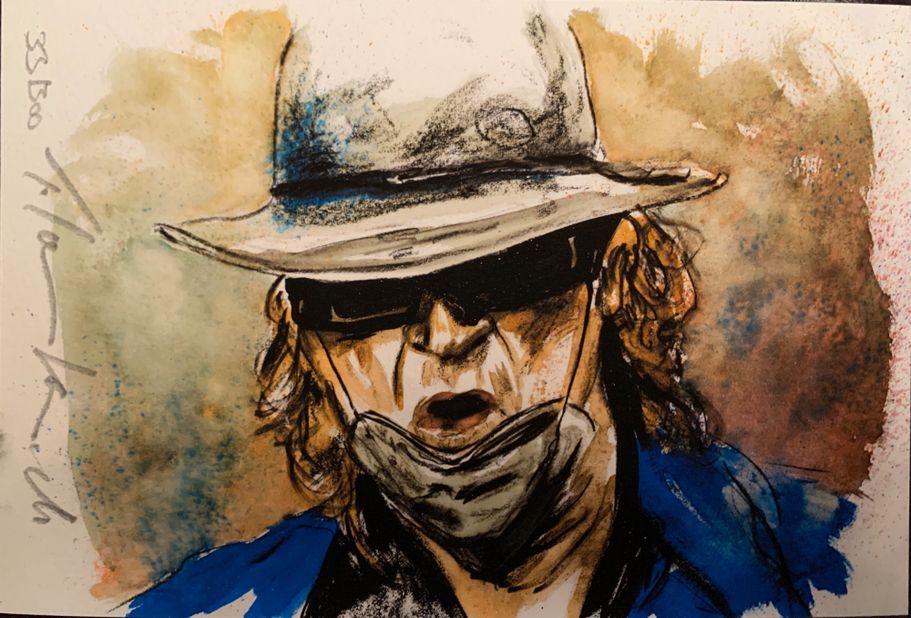
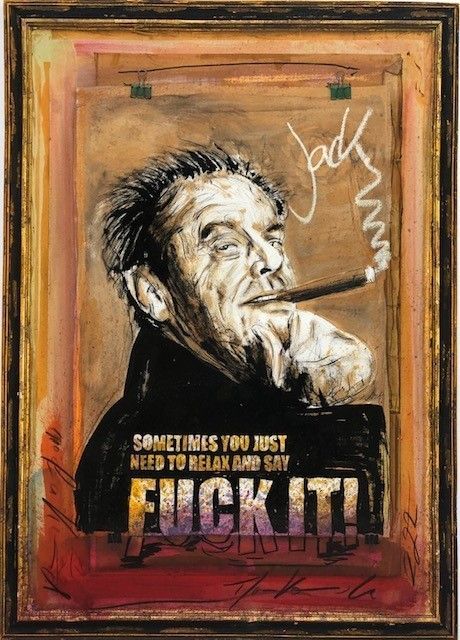
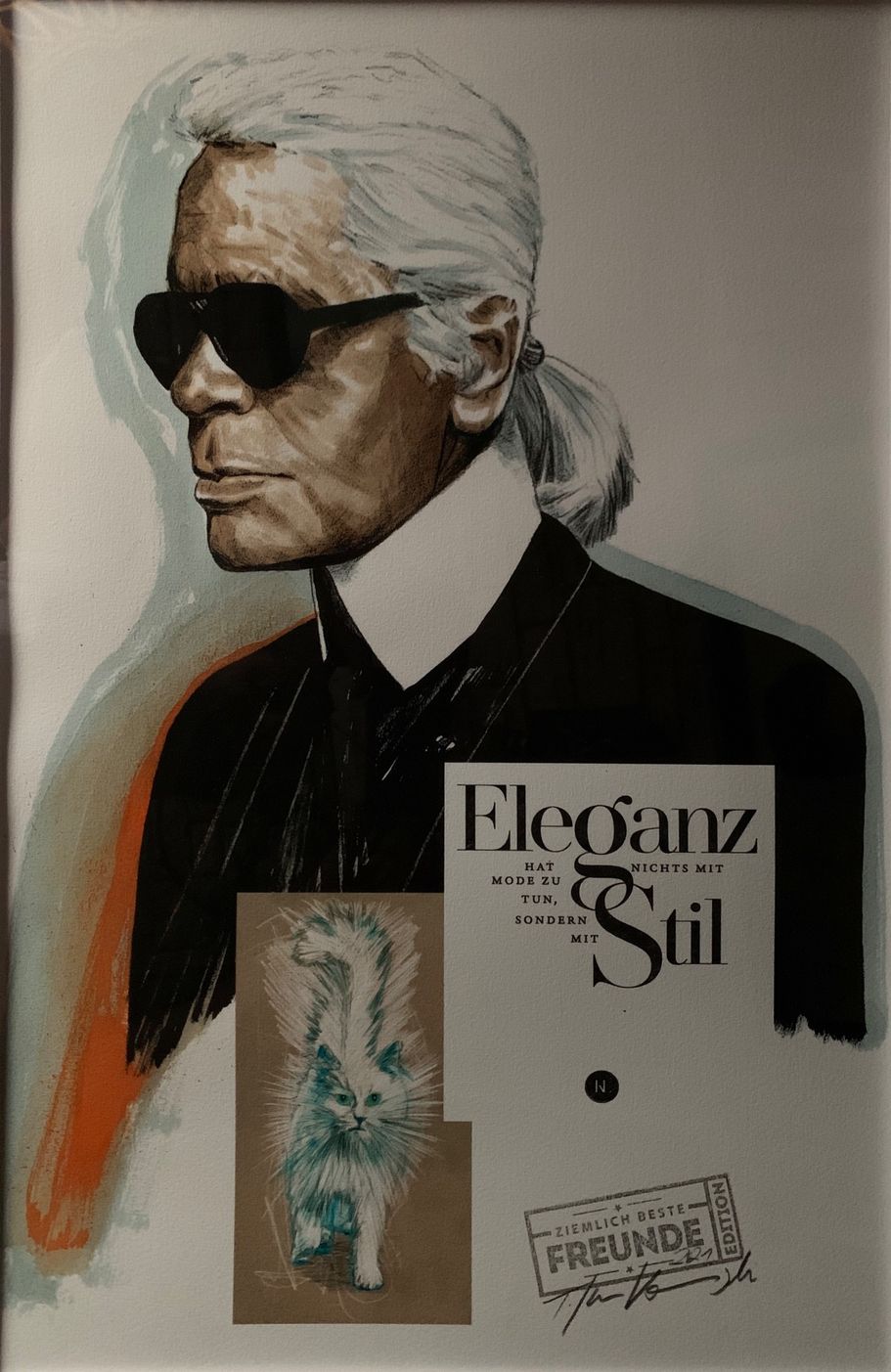
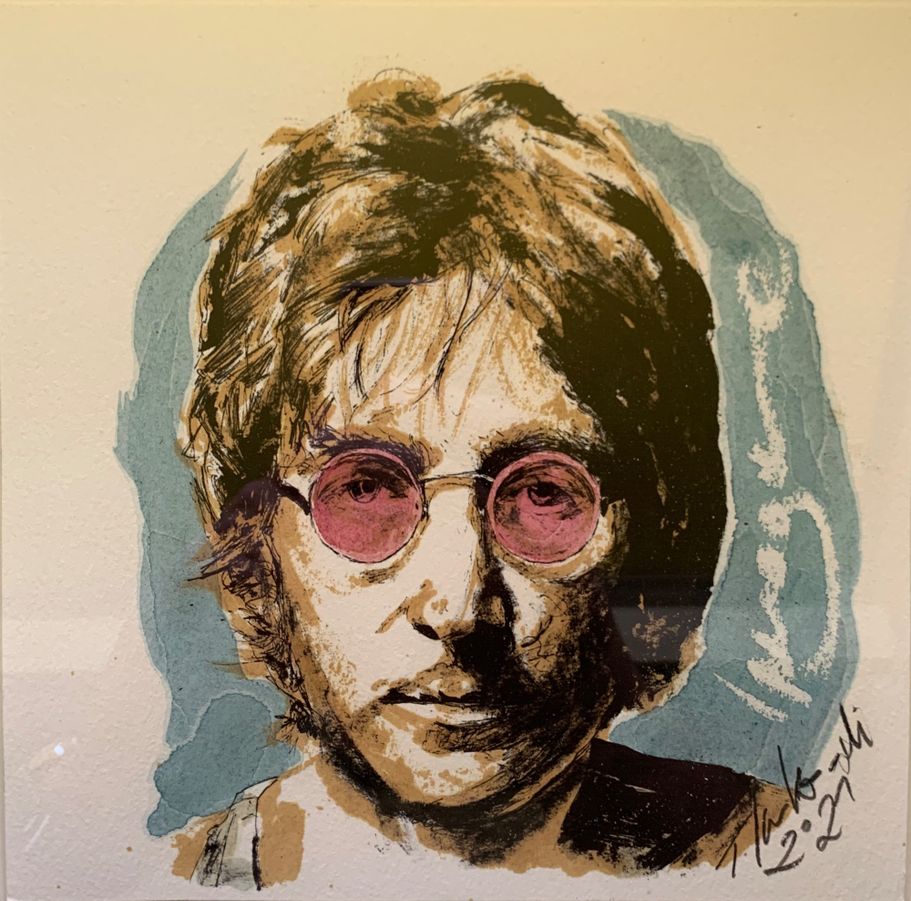
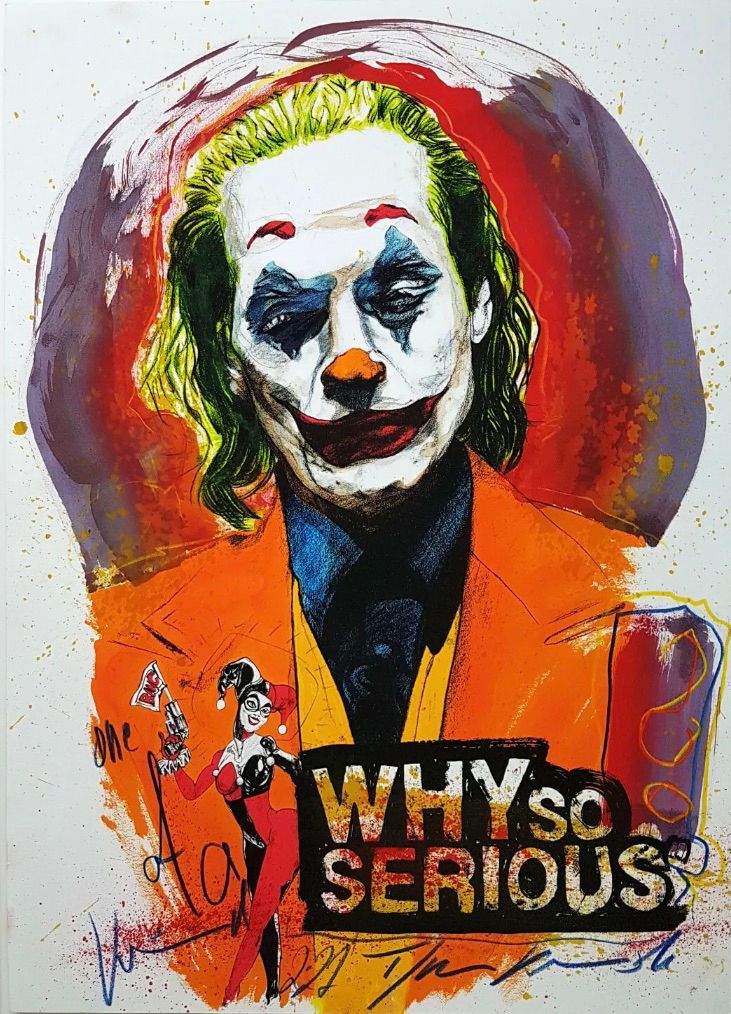
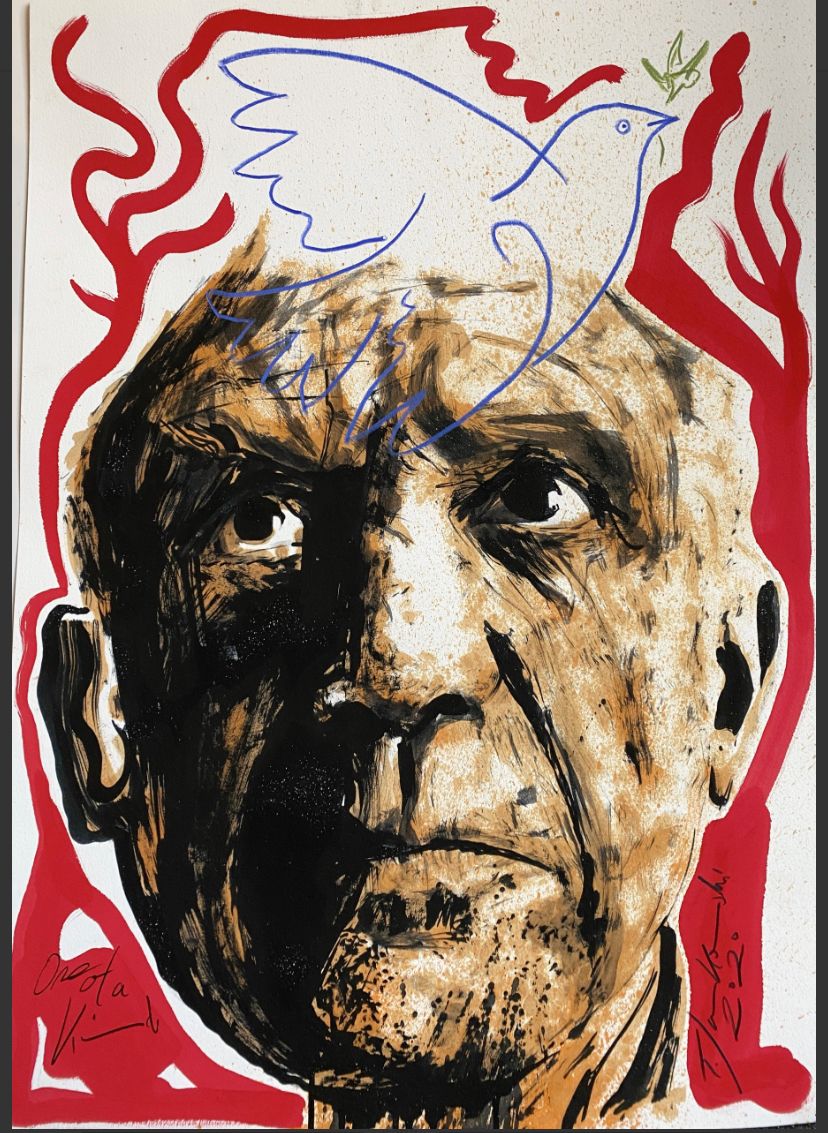
Thomas Jankowski is a German painter and independent artist whose work is primarily characterised by expressive portraits and his engagement with well-known personalities from art, music, film and popular culture.
In his works, Jankowski combines an expressive, often seemingly spontaneous painting style with striking graphic elements. Characteristic facial features are emphasised, exaggerated or complemented by lettering, colour and graphic details. His portraits thus move beyond purely naturalistic representation and develop an independent, contemporary visual language.
Personalities such as John Lennon, Karl Lagerfeld and Pablo Picasso appear less as traditional portrait subjects than as cultural icons. This combination of portraiture, media imagery and popular-cultural symbolism places Jankowski's work within the sphere of a contemporary interpretation of Pop Art.
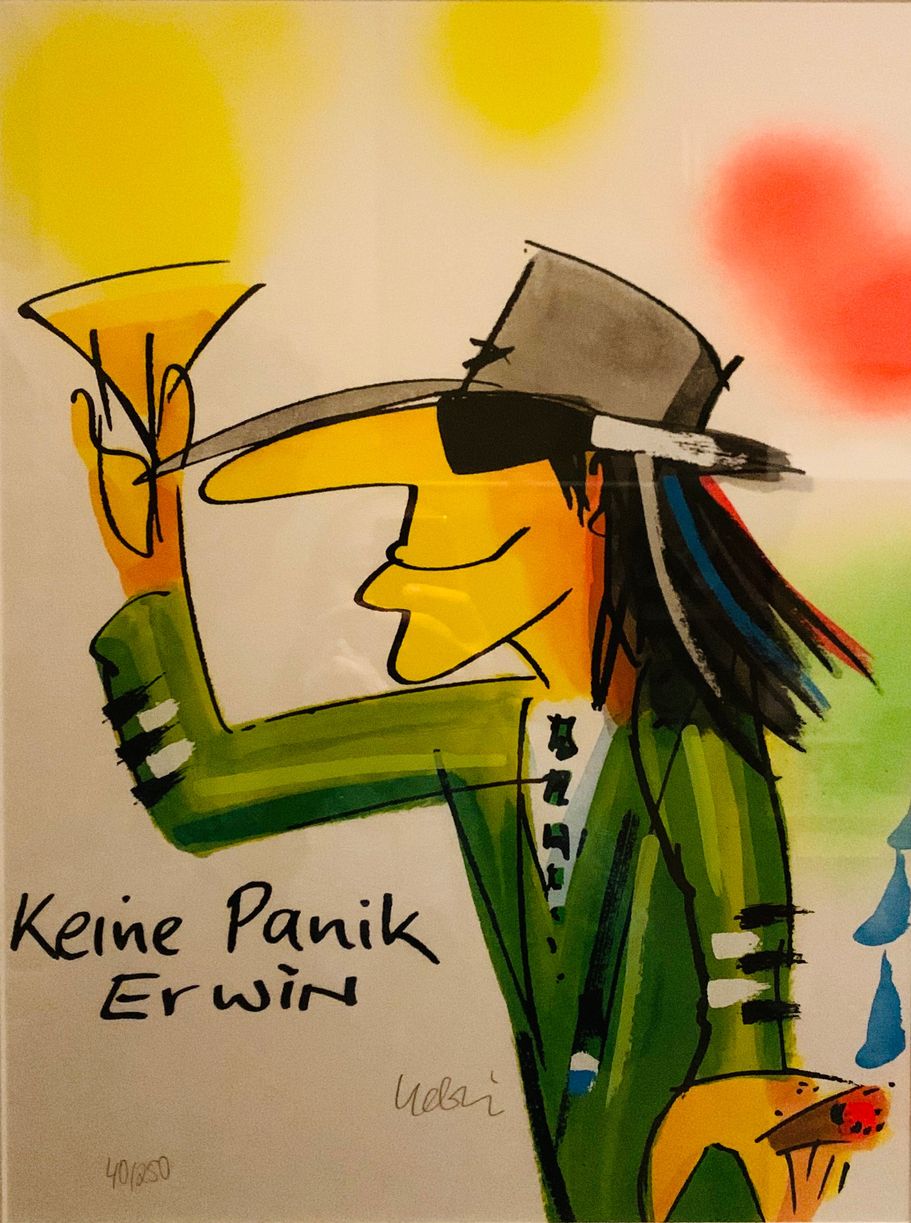
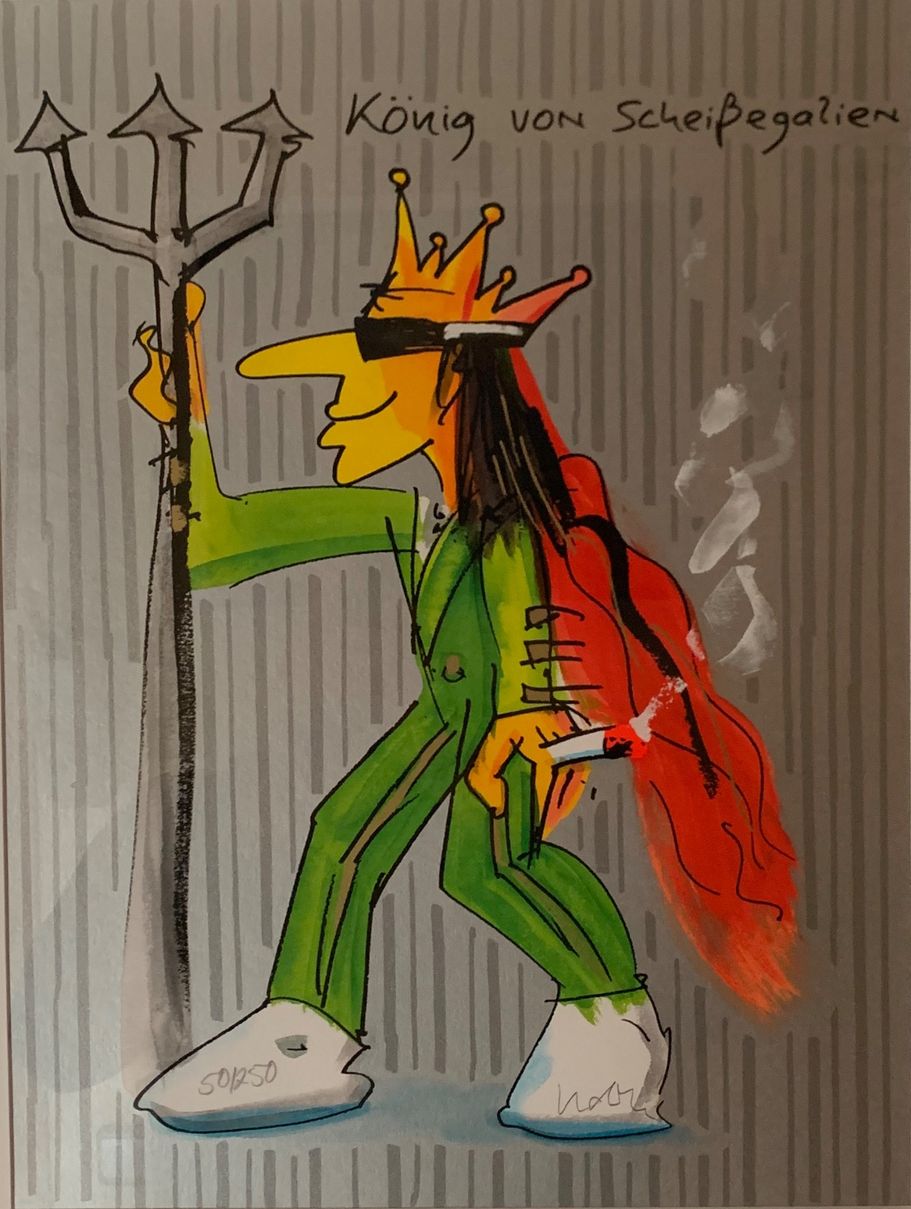
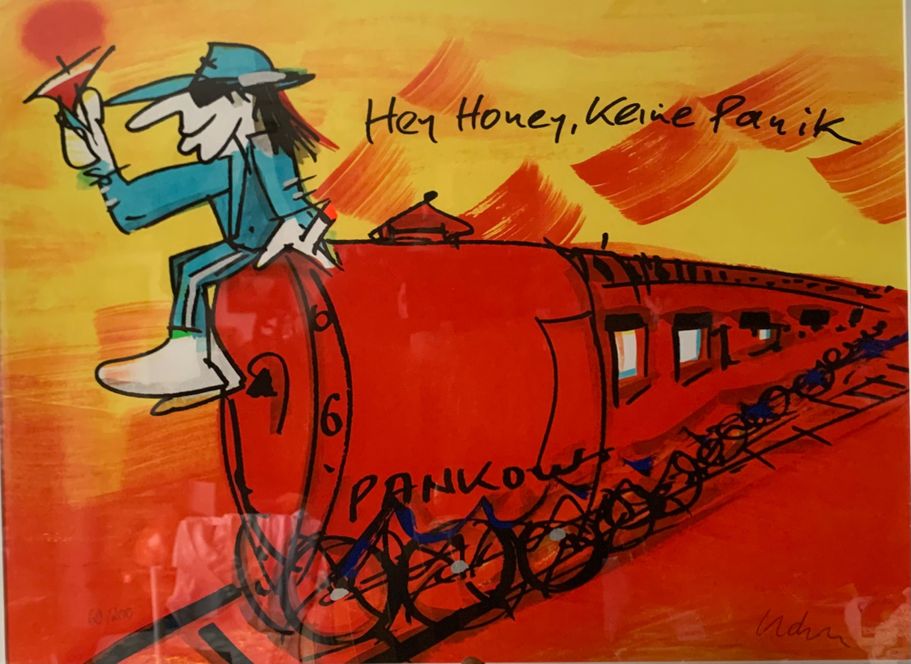
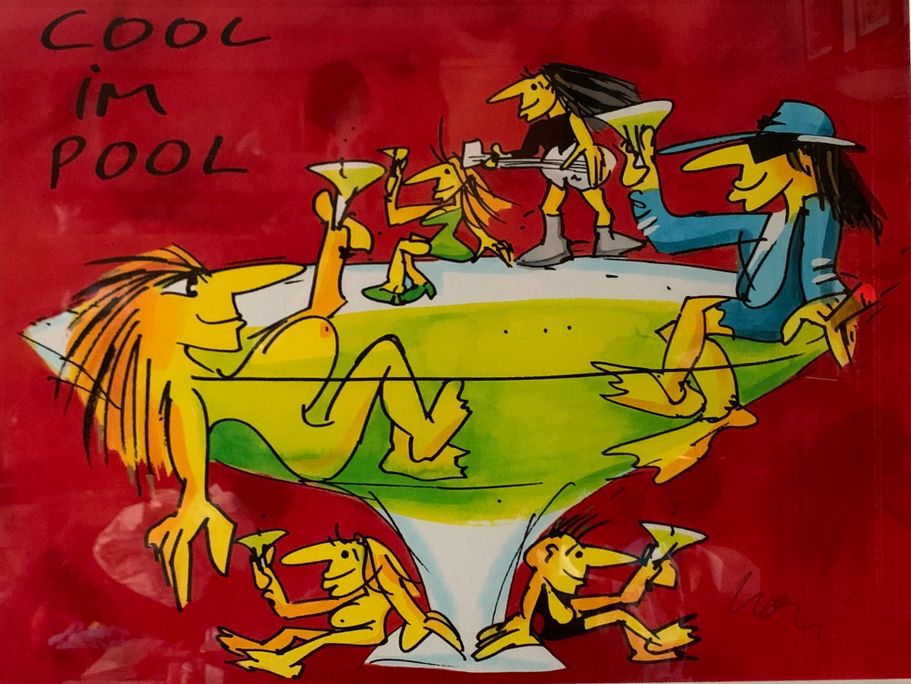
Udo Lindenberg
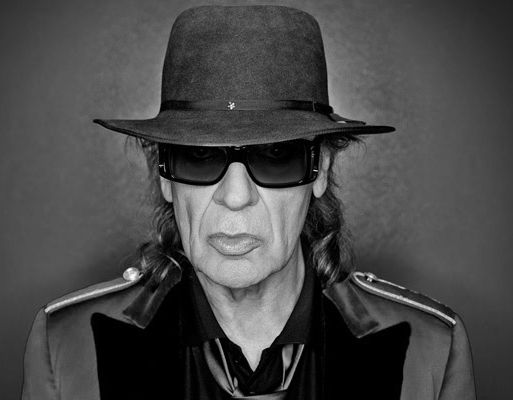
Udo Lindenberg is one of Germany's best-known musicians and has developed an unmistakable artistic style alongside his musical career. His so-called "Udogramme" combine spontaneous drawing, witty texts and characteristic figures to create a distinctive visual language.
Using bold colours, humorous wordplay and recurring motifs from his personal universe, Lindenberg transfers elements of his musical personality into the visual arts. His works move between cartoons, caricature and Pop Art and are instantly recognisable.
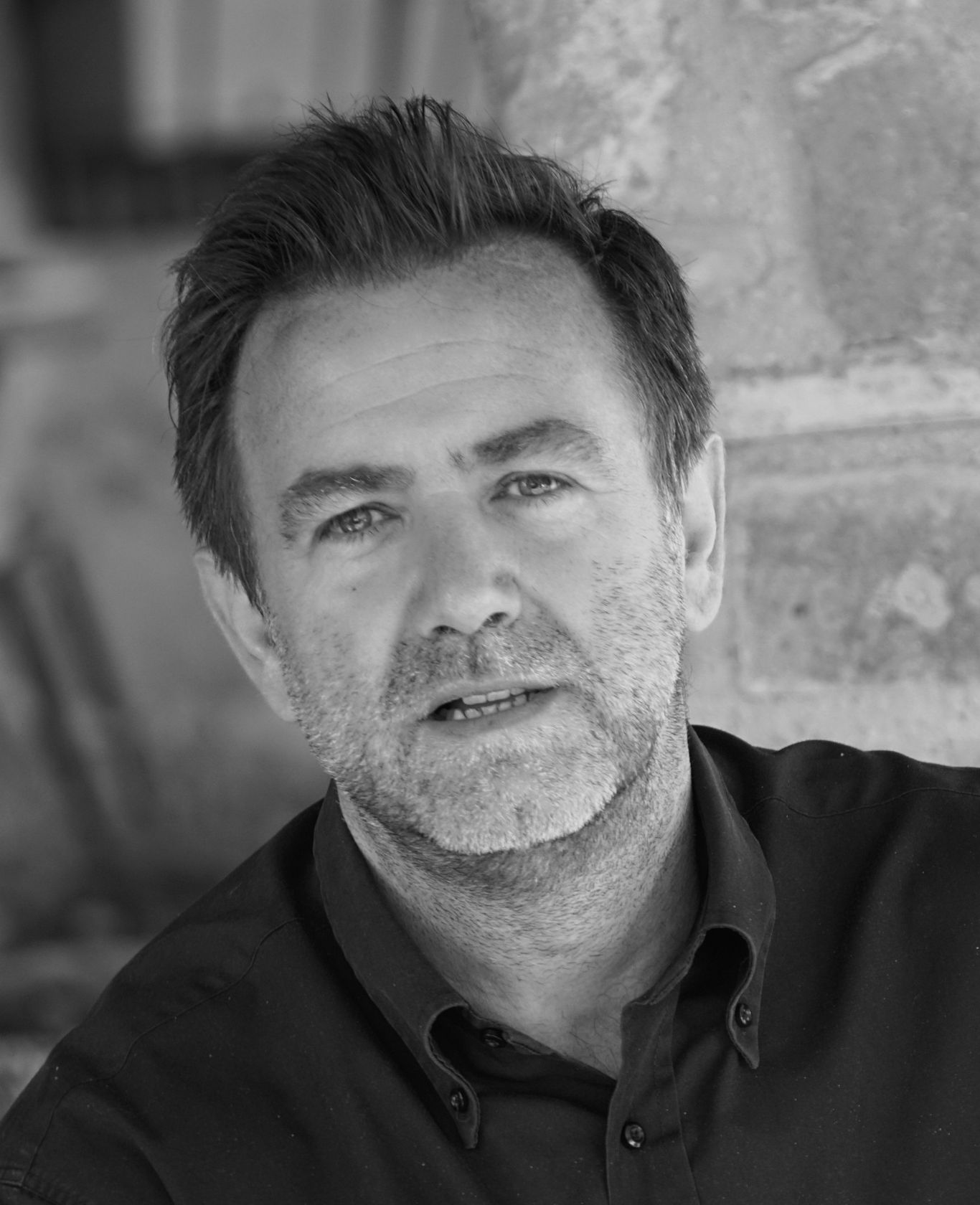
Luigi Muto
Born in Augsburg in 1964
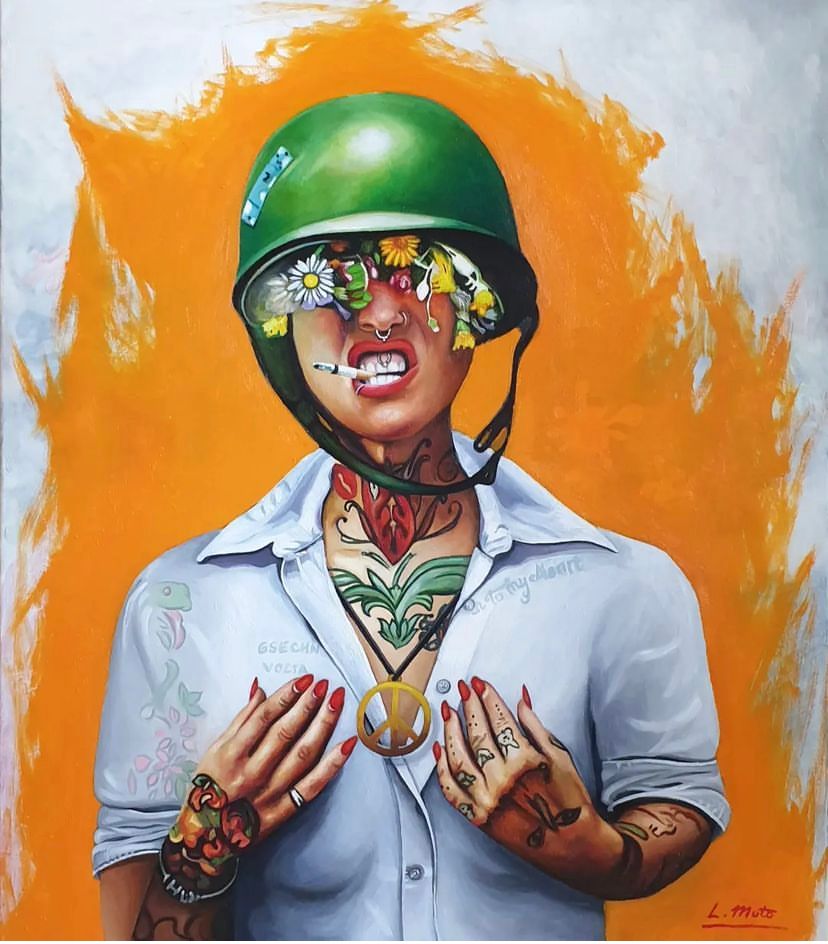
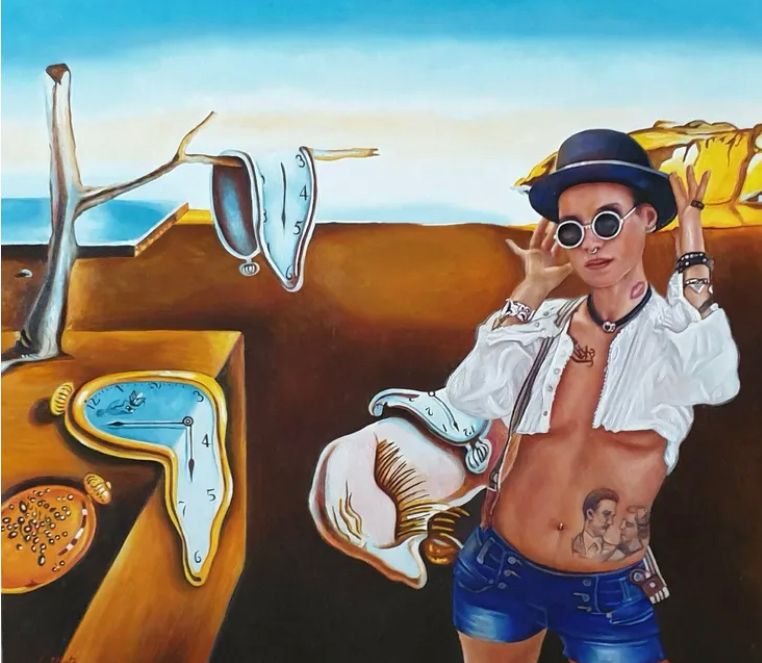
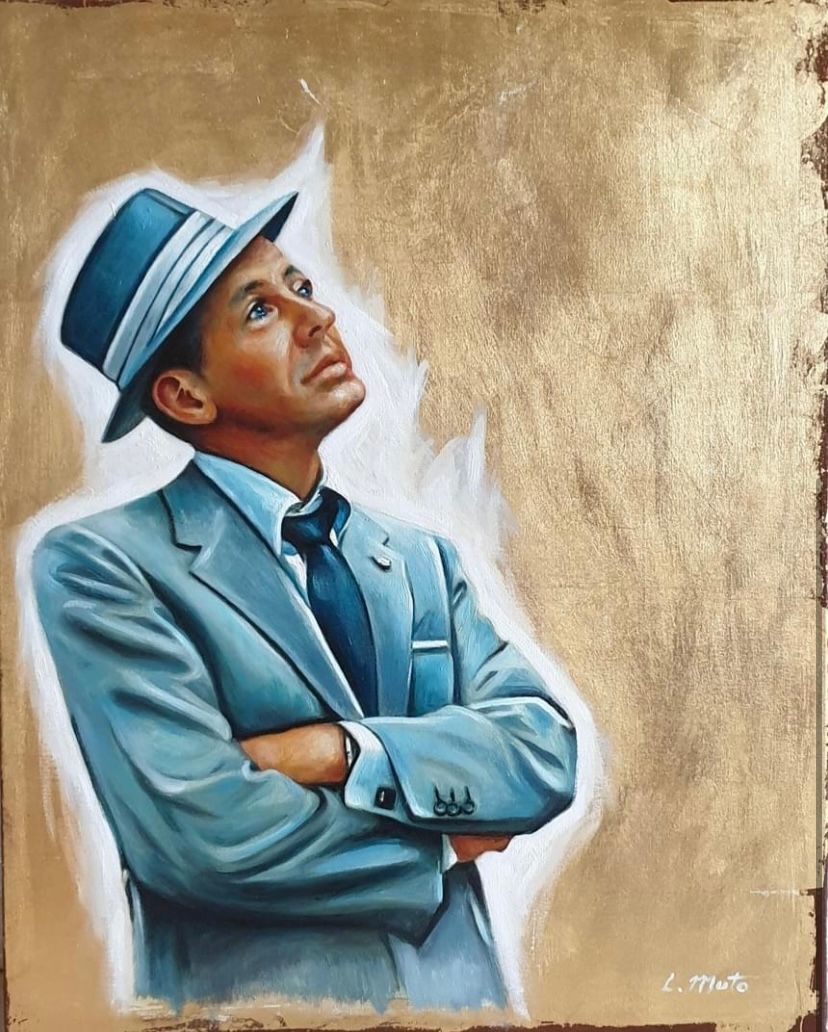
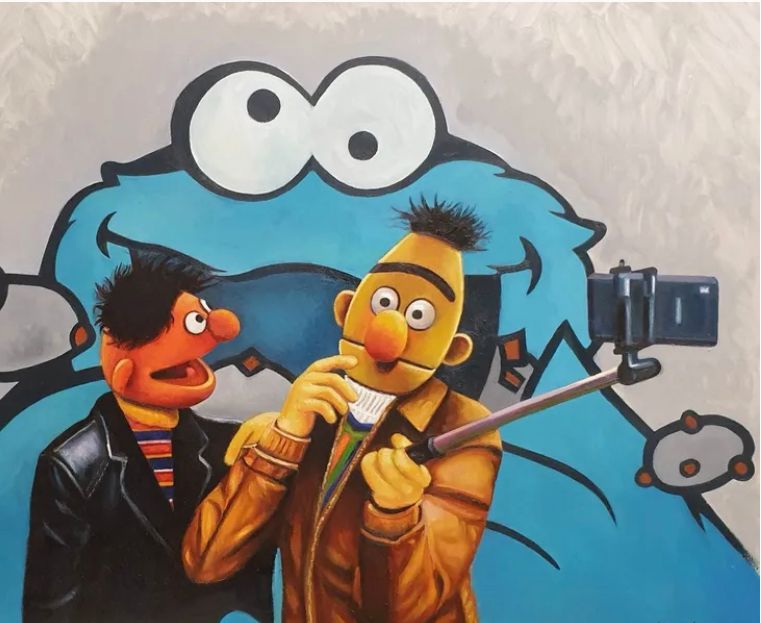
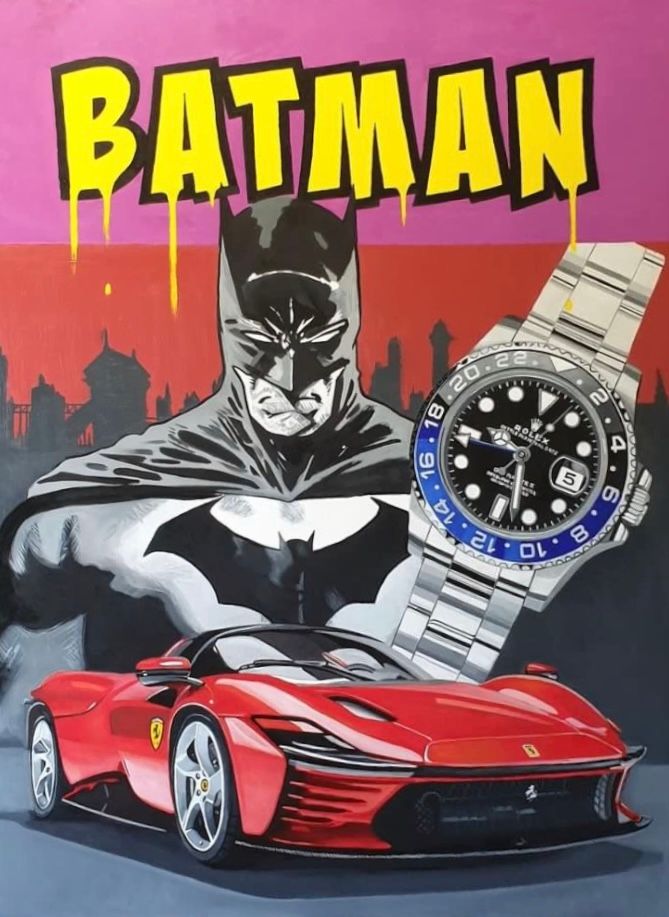
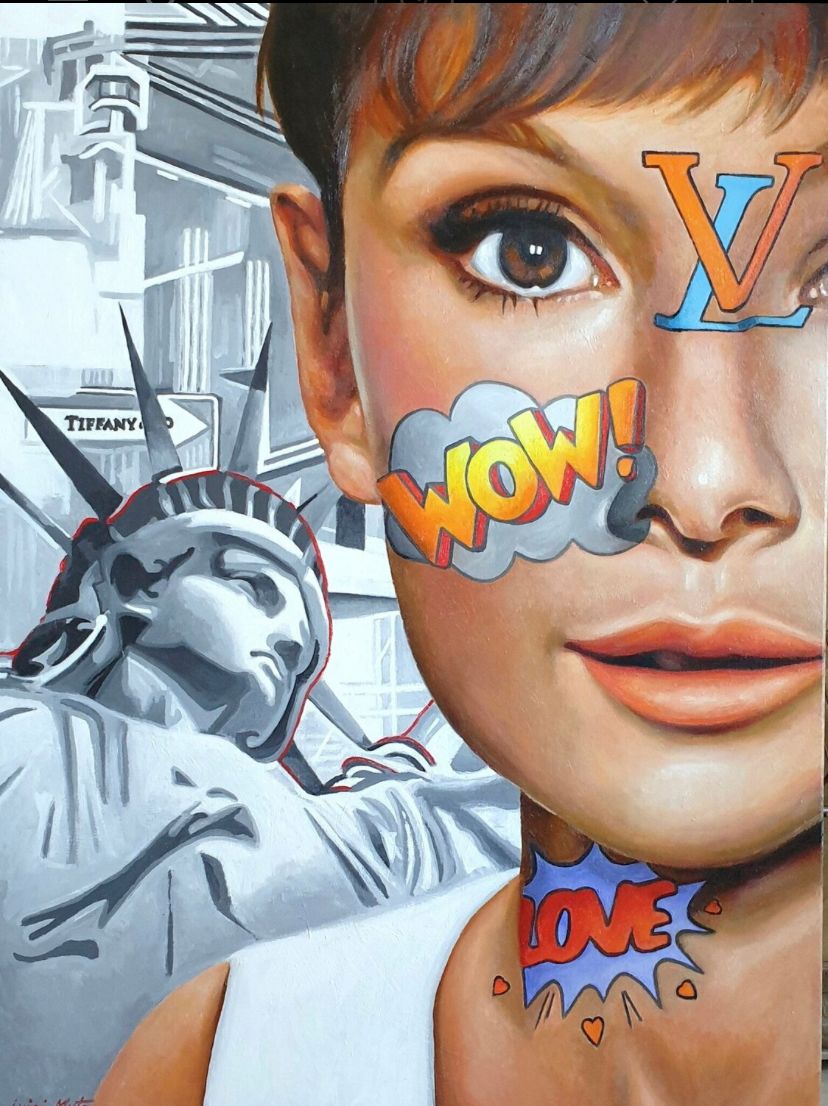
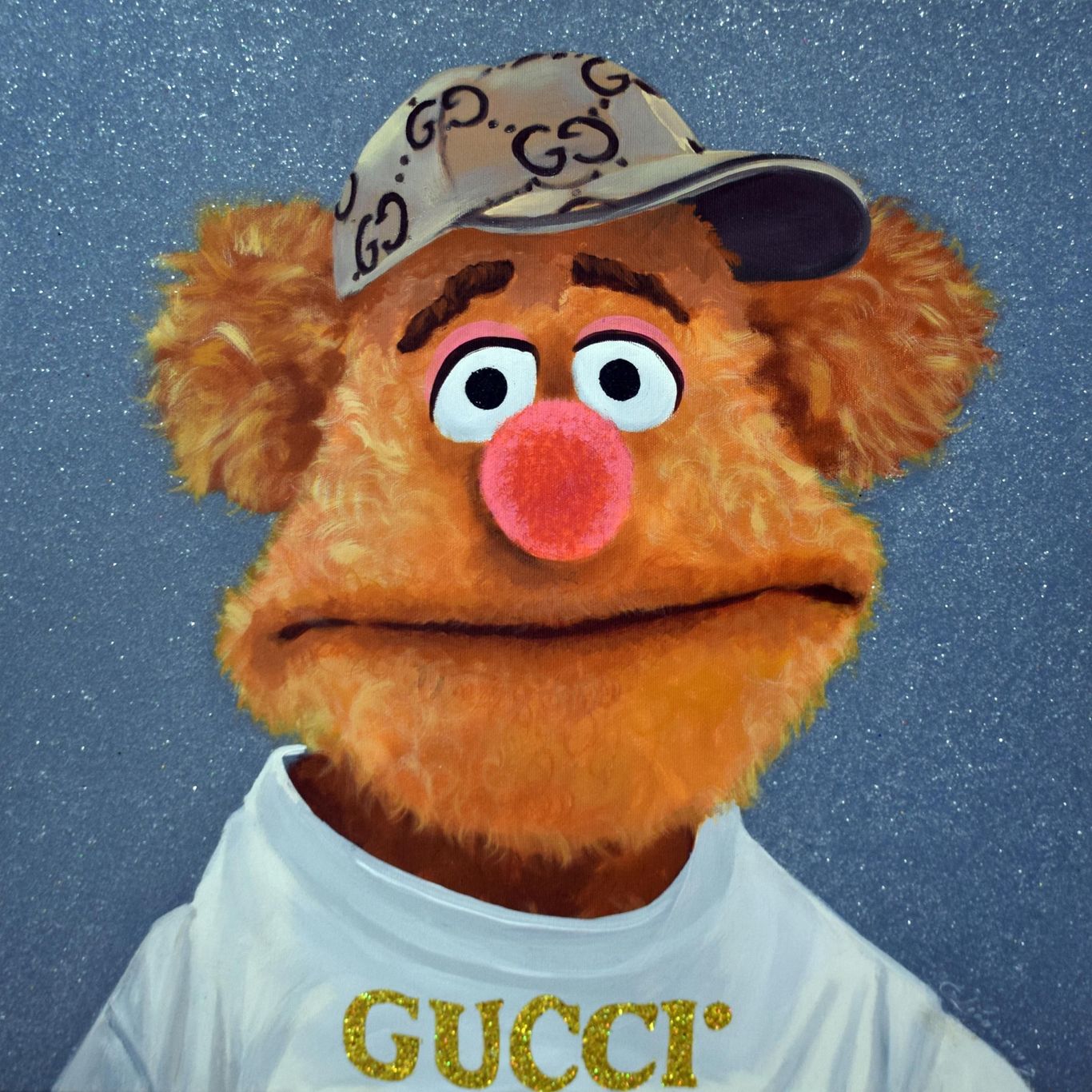
Luigi Muto is a German painter whose figurative works combine elements of Pop Art with a distinctly realistic painting style. He received his artistic training from Gernot Hausner, among others. Alongside portraits and commissioned works, Muto developed an independent visual language in which motifs from popular culture, fashion and lifestyle meet traditional painting techniques.
His works are characterised by a playful engagement with cultural icons and familiar visual worlds. Comic characters, film heroes and celebrities appear in surprising contexts, combined with symbols of consumerism, luxury and contemporary everyday culture. Muto also draws on elements of tattoo and pin-up aesthetics, transferring their visual language into oil painting.
The result is colourful, technically precise work that moves between portraiture, popular culture and ironic staging.

Tom Boston
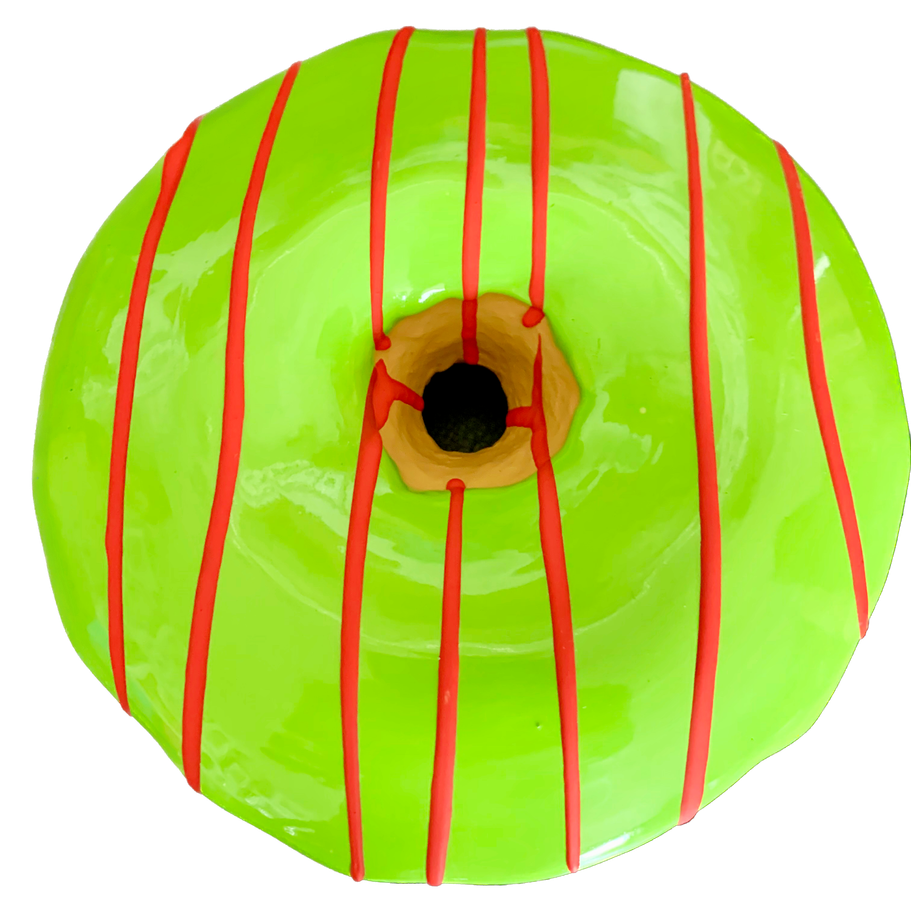
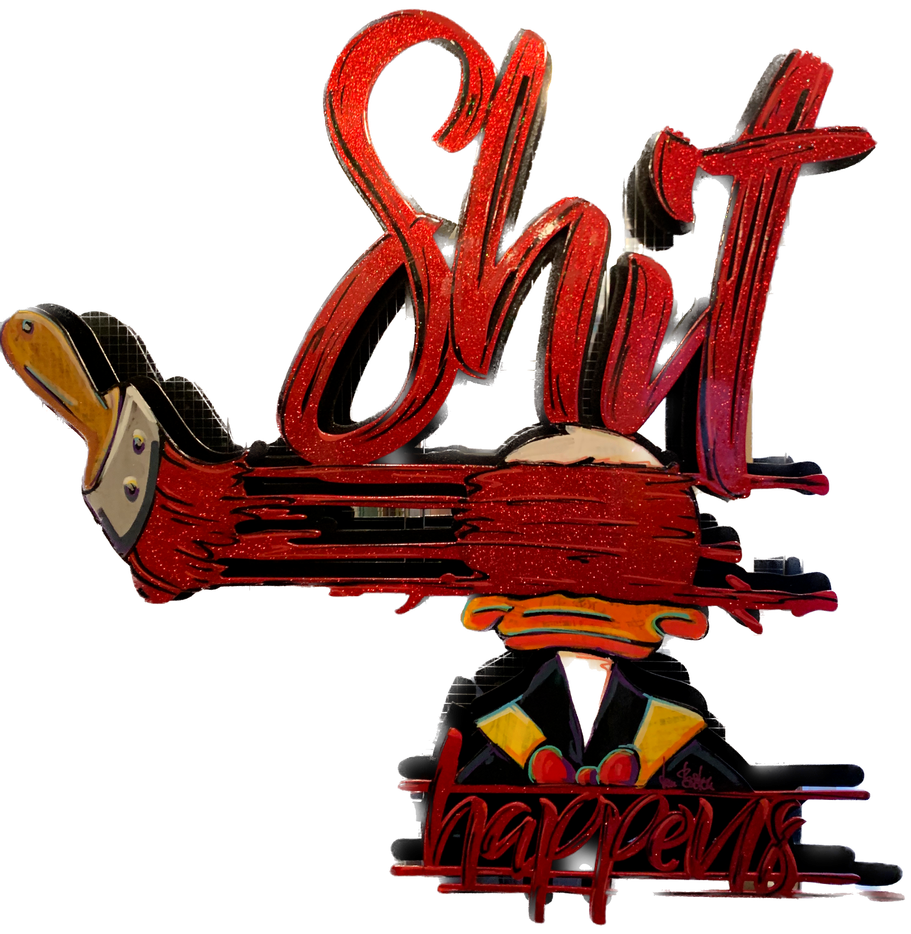
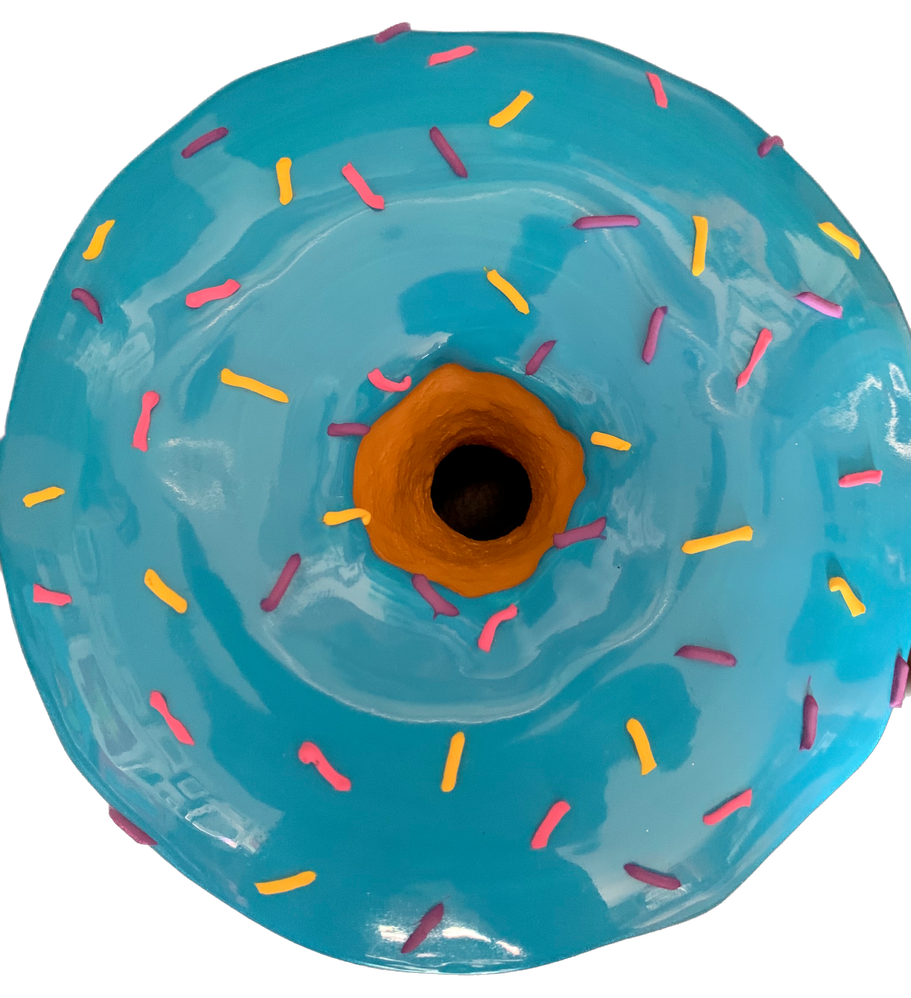
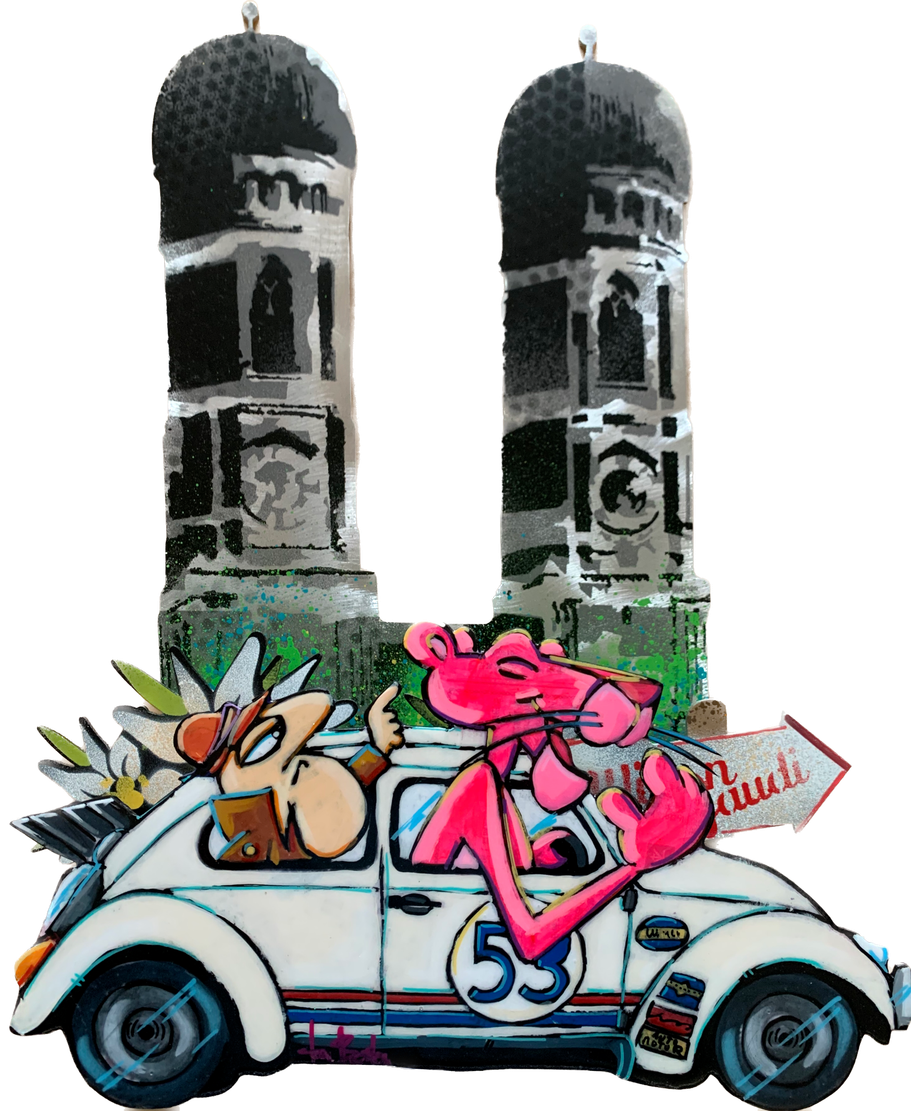
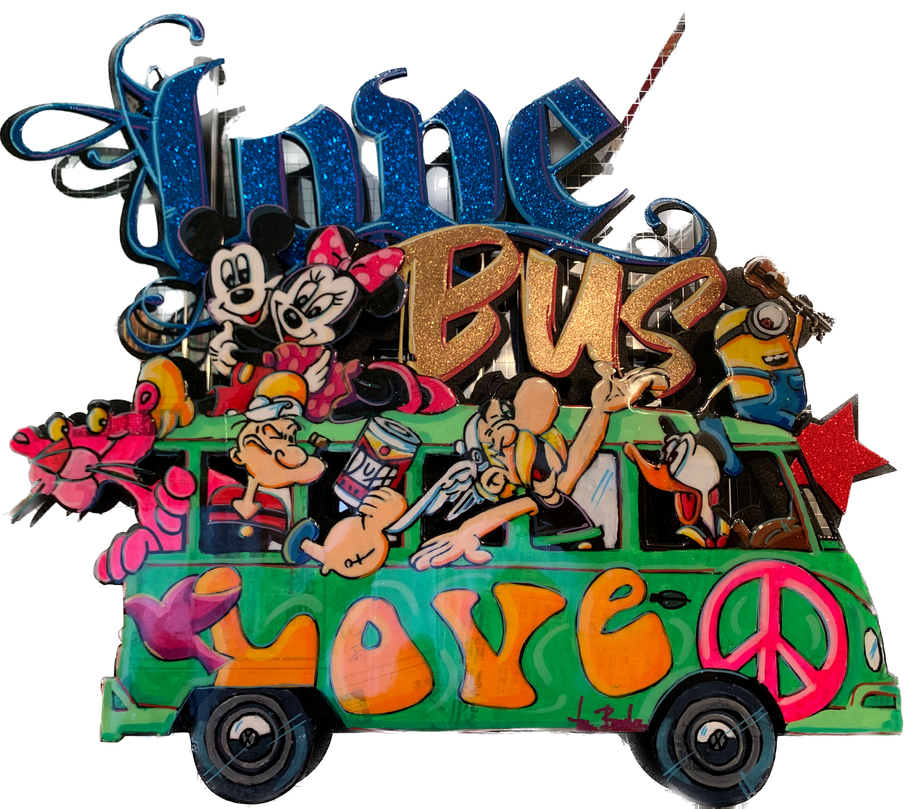
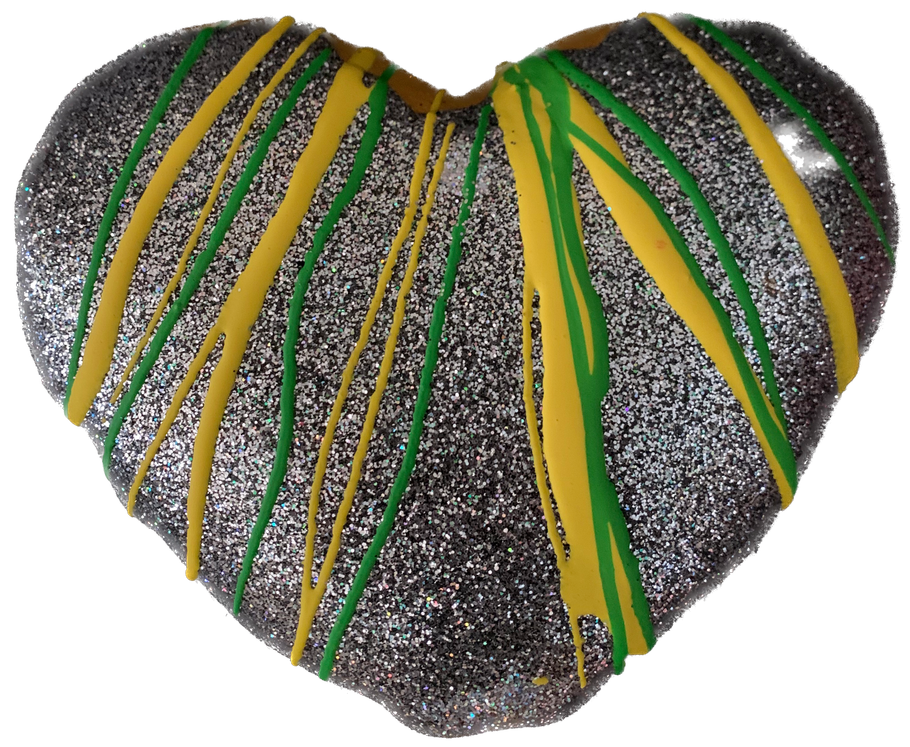
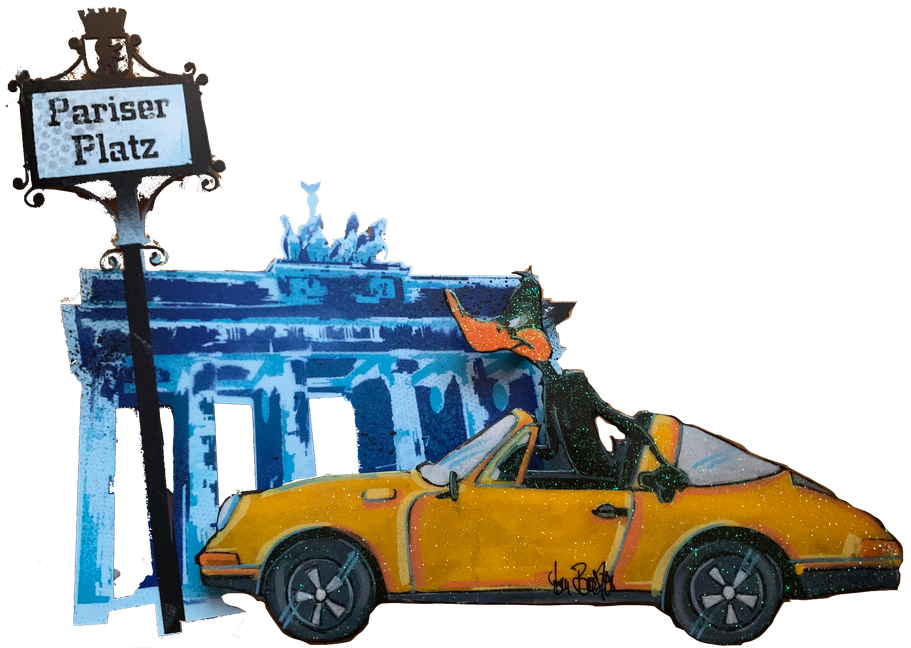
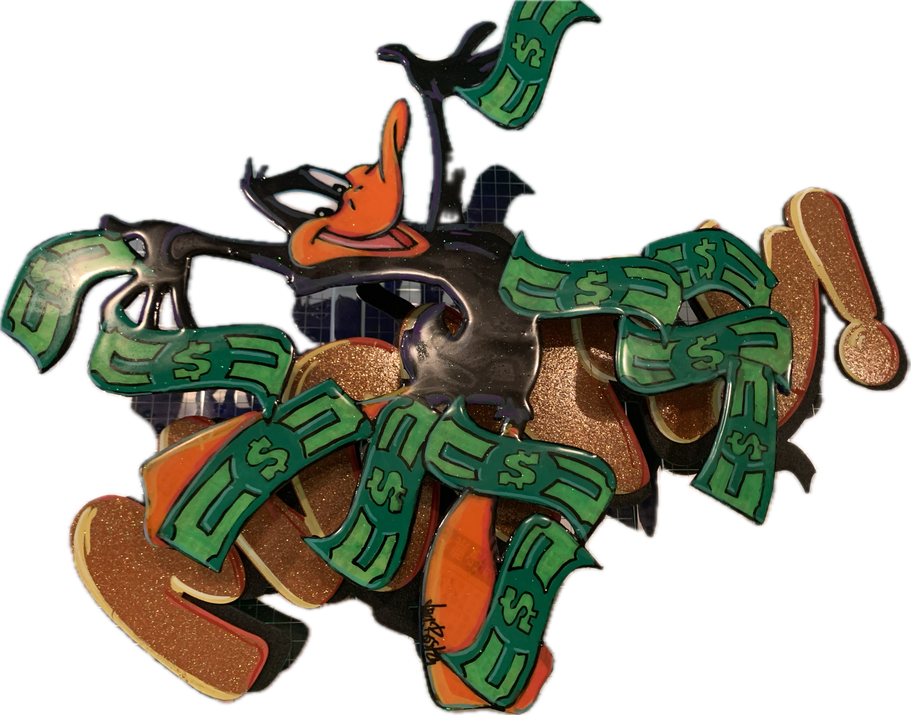
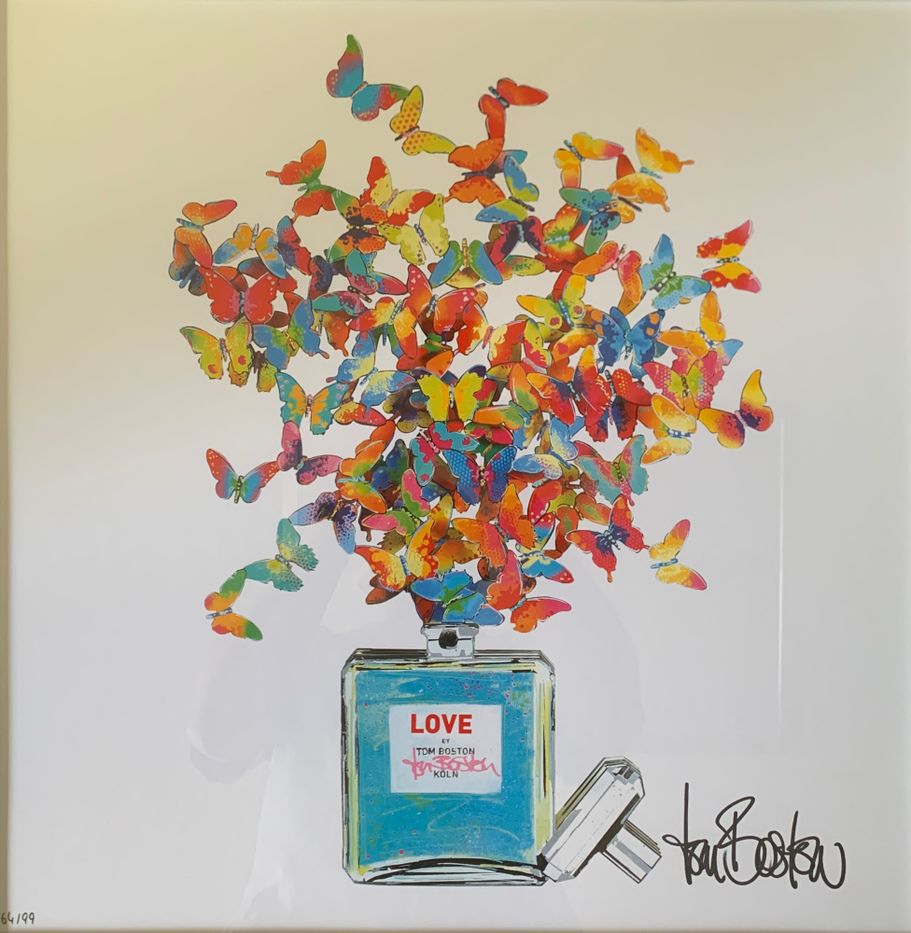
Tom Boston is a German artist whose works combine elements of Pop Art with contemporary object art and a distinctly humorous visual language. He takes everyday objects, familiar characters and symbols of popular culture, transforms them and places them in new contexts.
His works are characterised by intense colours, playful exaggeration and surprising combinations of materials and motifs. Moving between painting, graphic art and object art, his creations play with the familiar symbols of consumer and media culture, often introducing an ironic undertone.

Elena Lobanowa
Elena Lobanowa comes from a Russian family of artists and received her artistic education at the School of Painting in Dnipropetrovsk. Her works combine precise representational painting with motifs from contemporary consumer culture, fashion and popular culture.
A characteristic feature of her art is the playful encounter between familiar figures and symbols of modern brands and lifestyles. These surprising combinations create humorous visual worlds in which classical painting and contemporary popular culture meet directly.
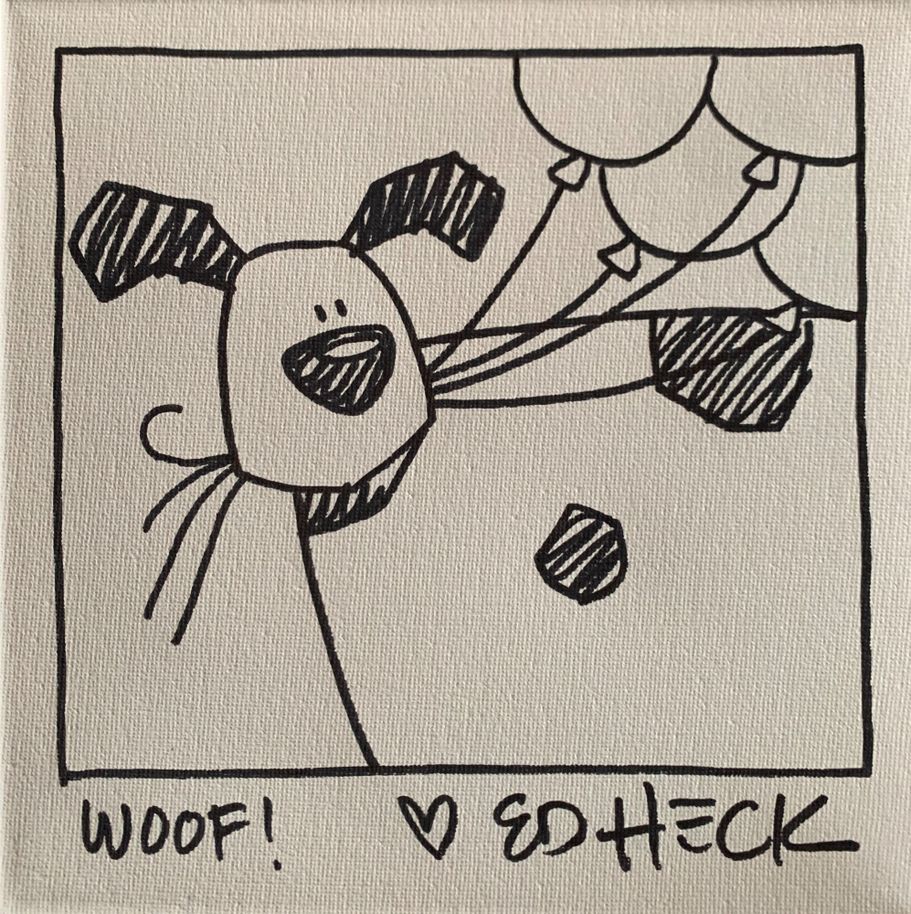
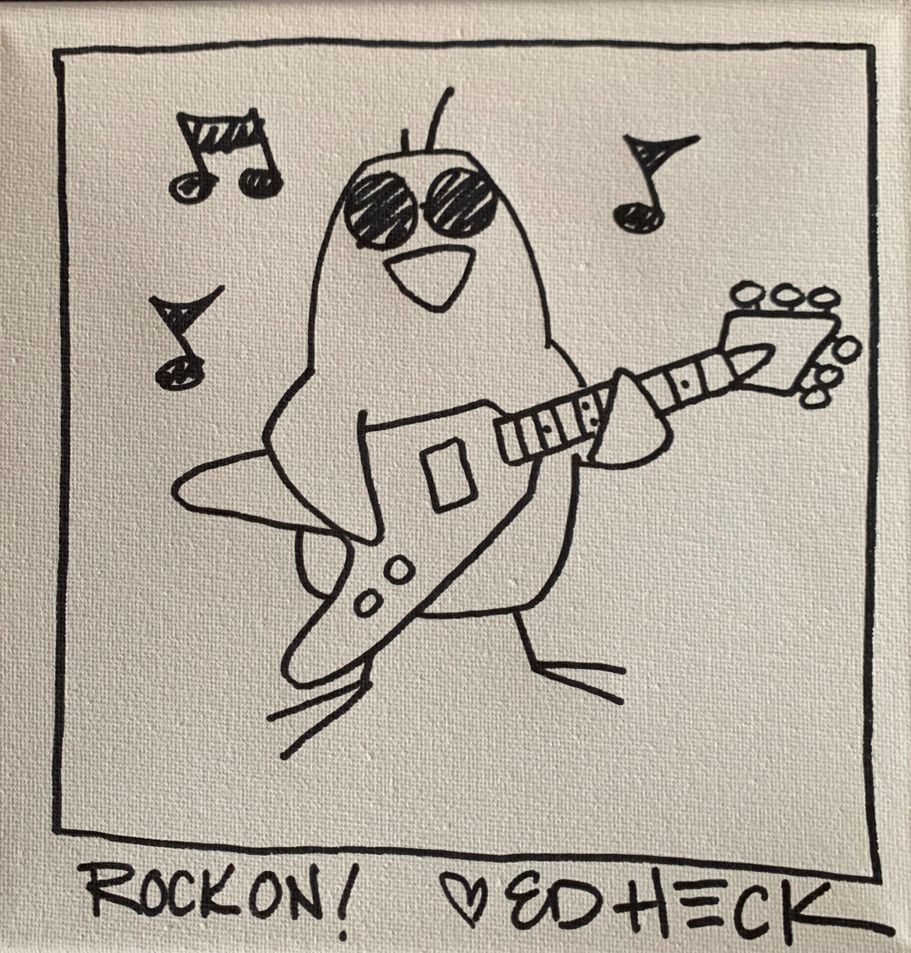
Ed Heck
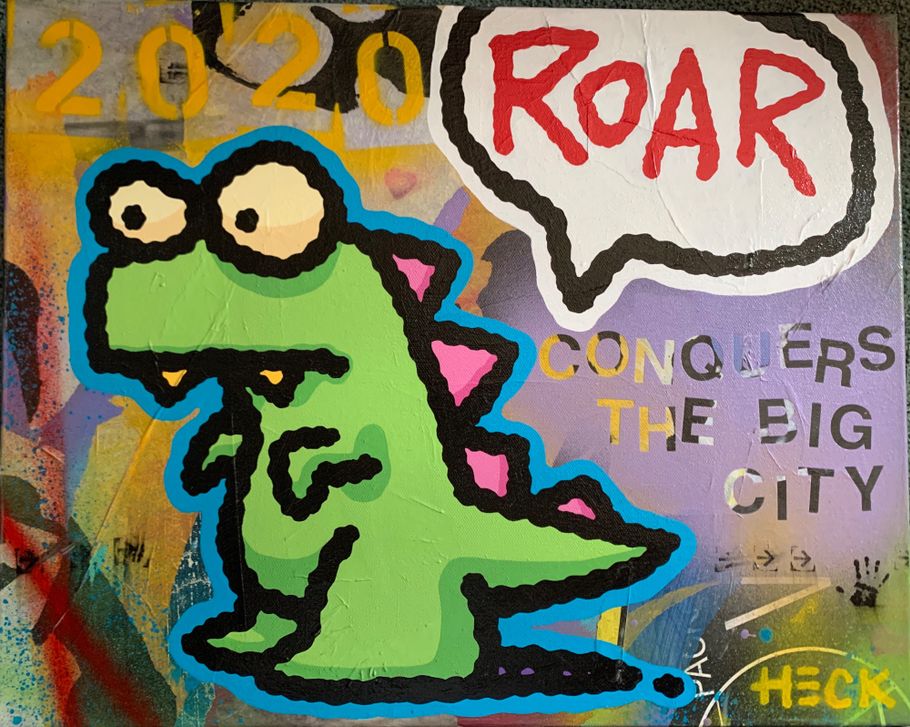
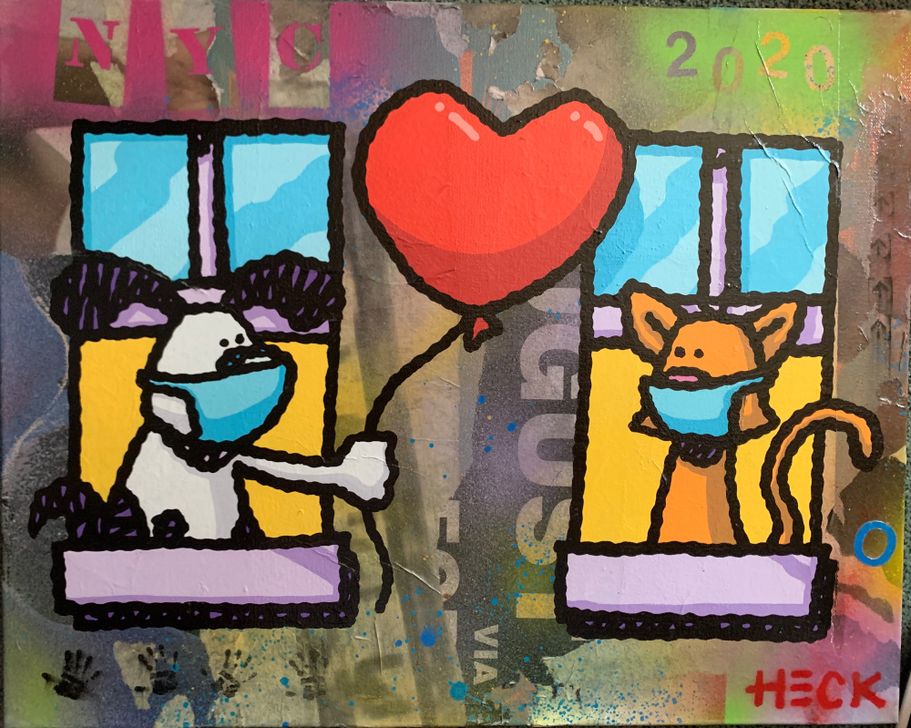
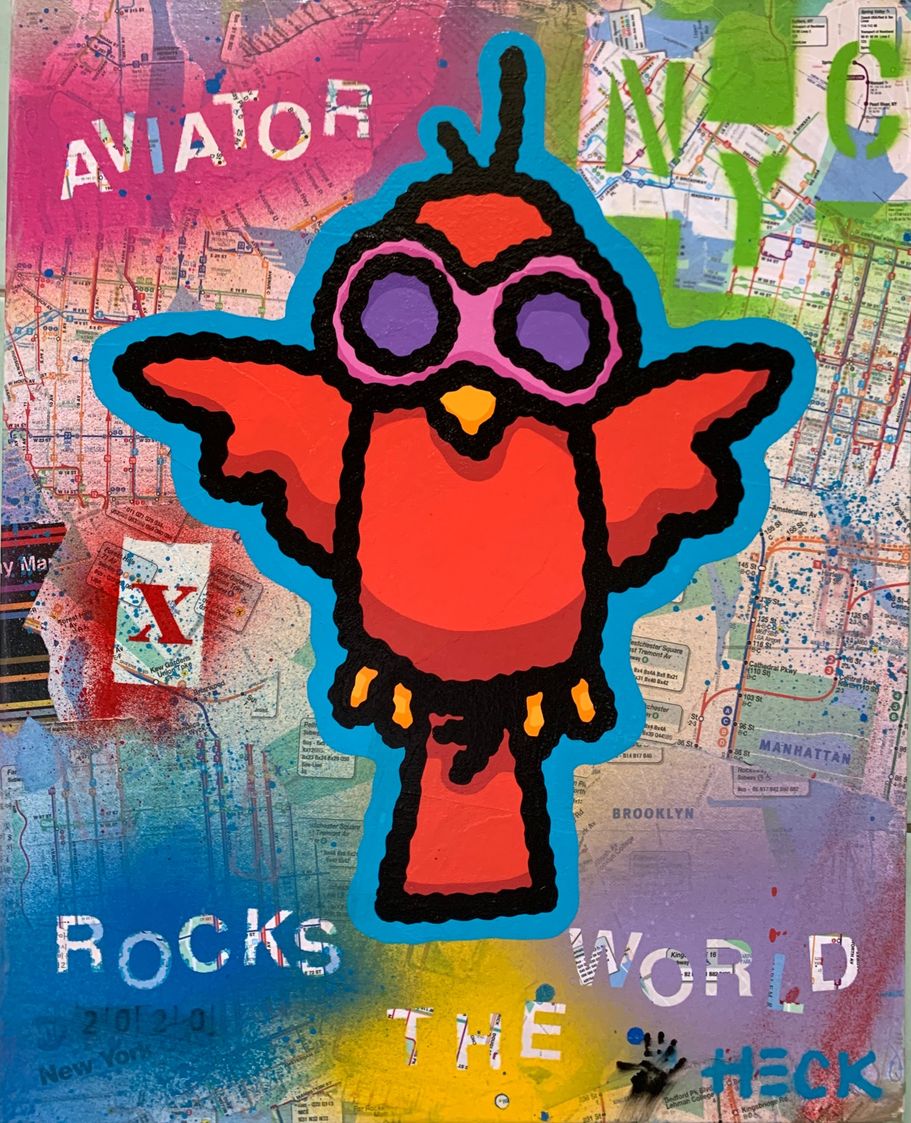
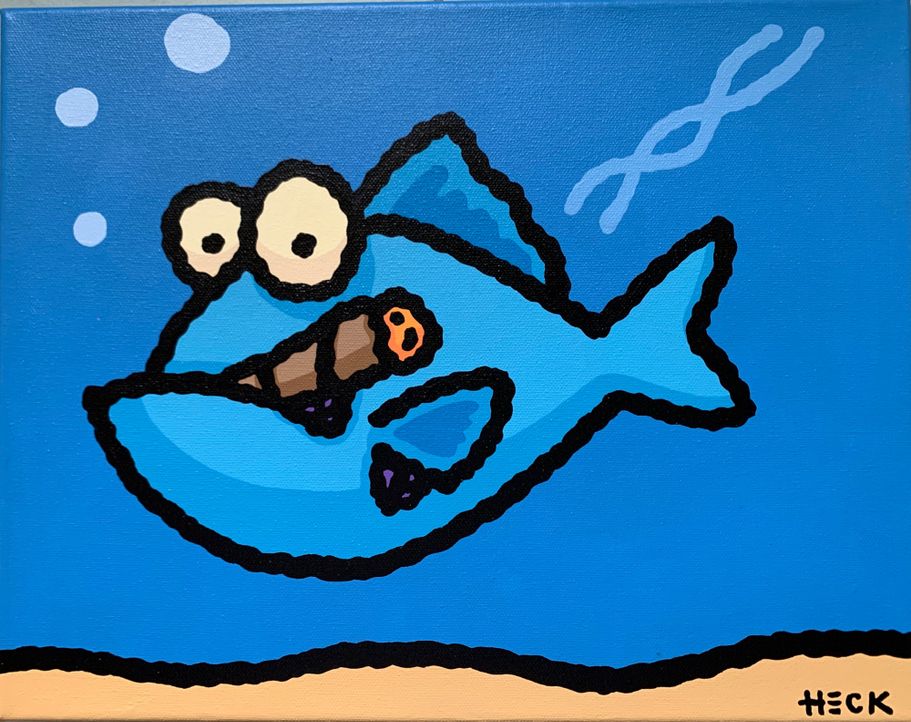
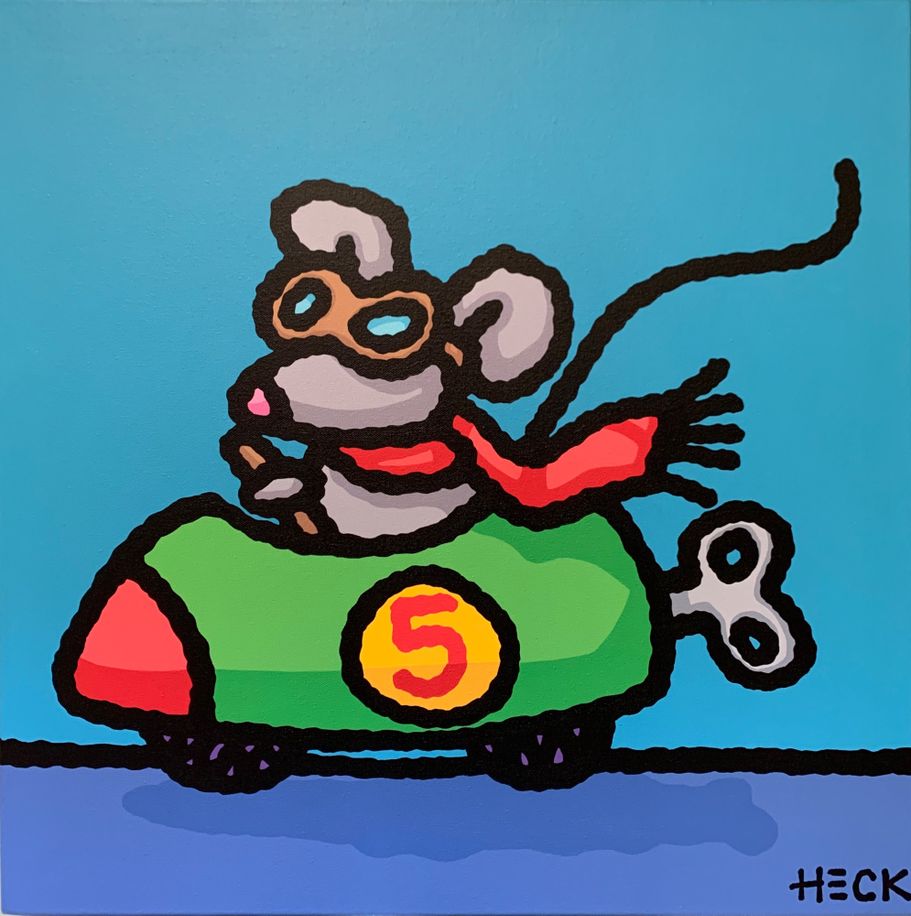
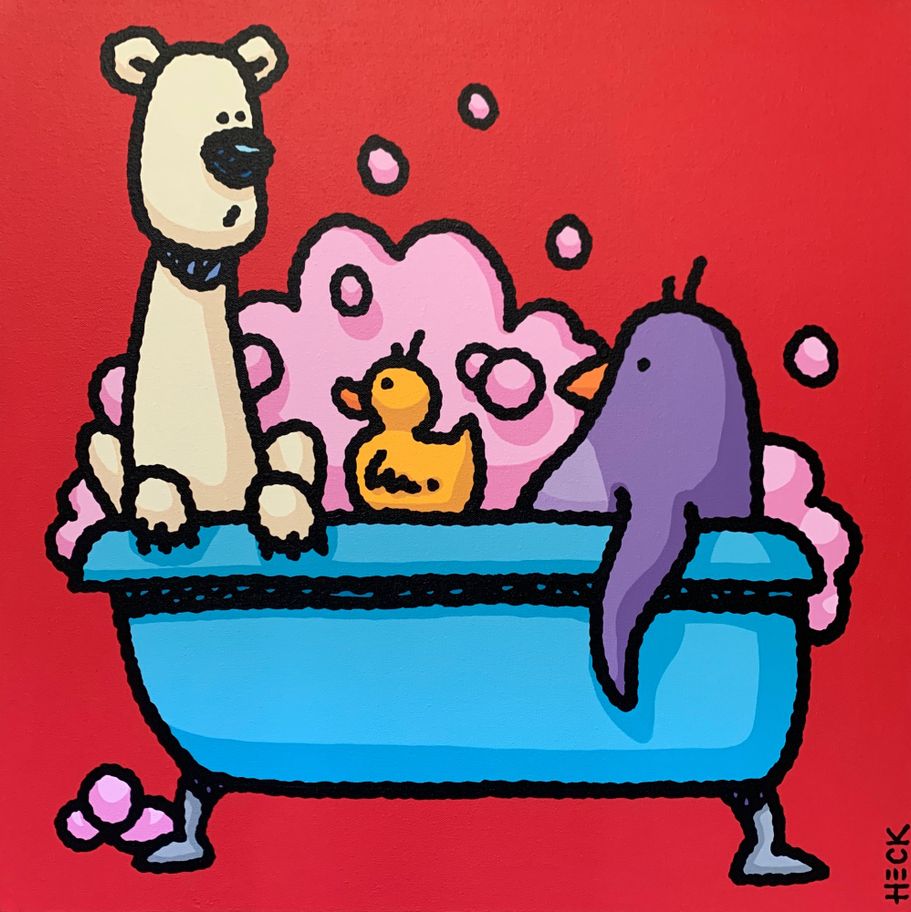
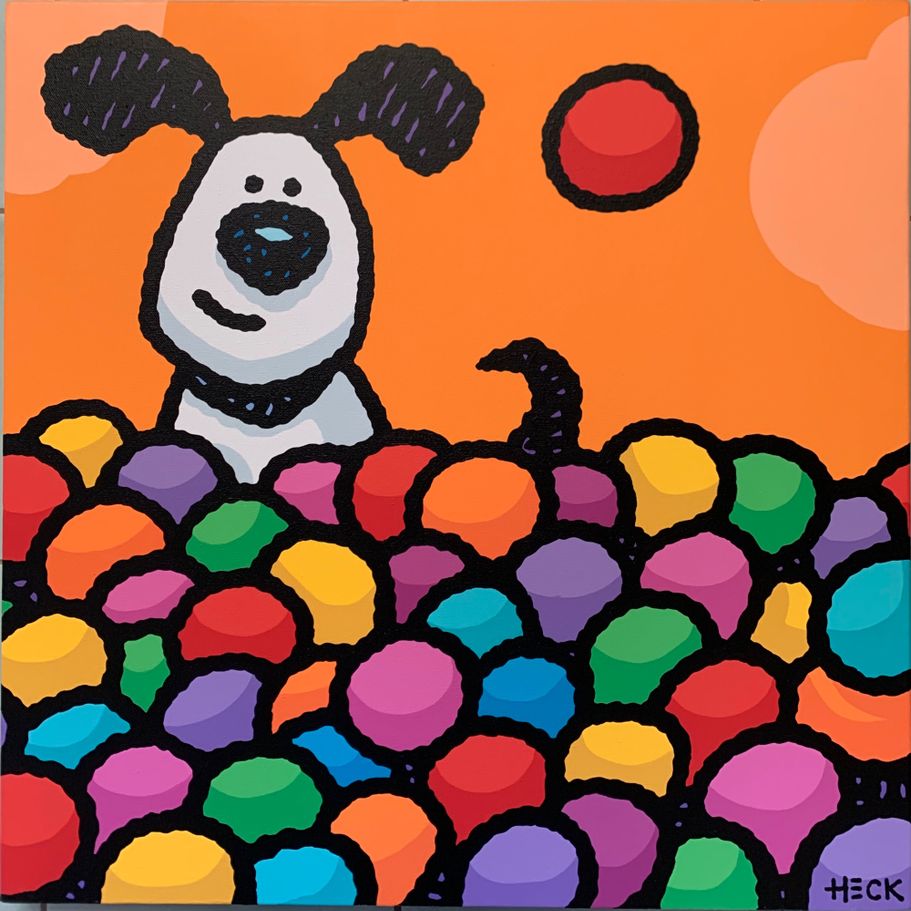
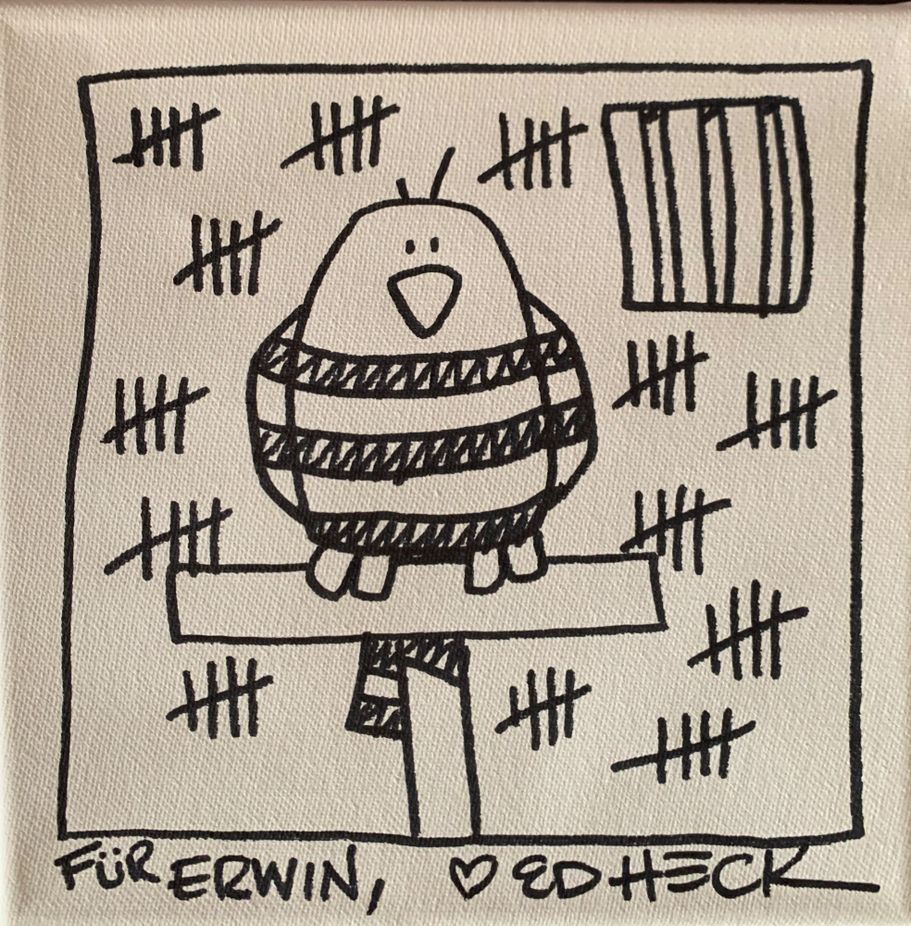
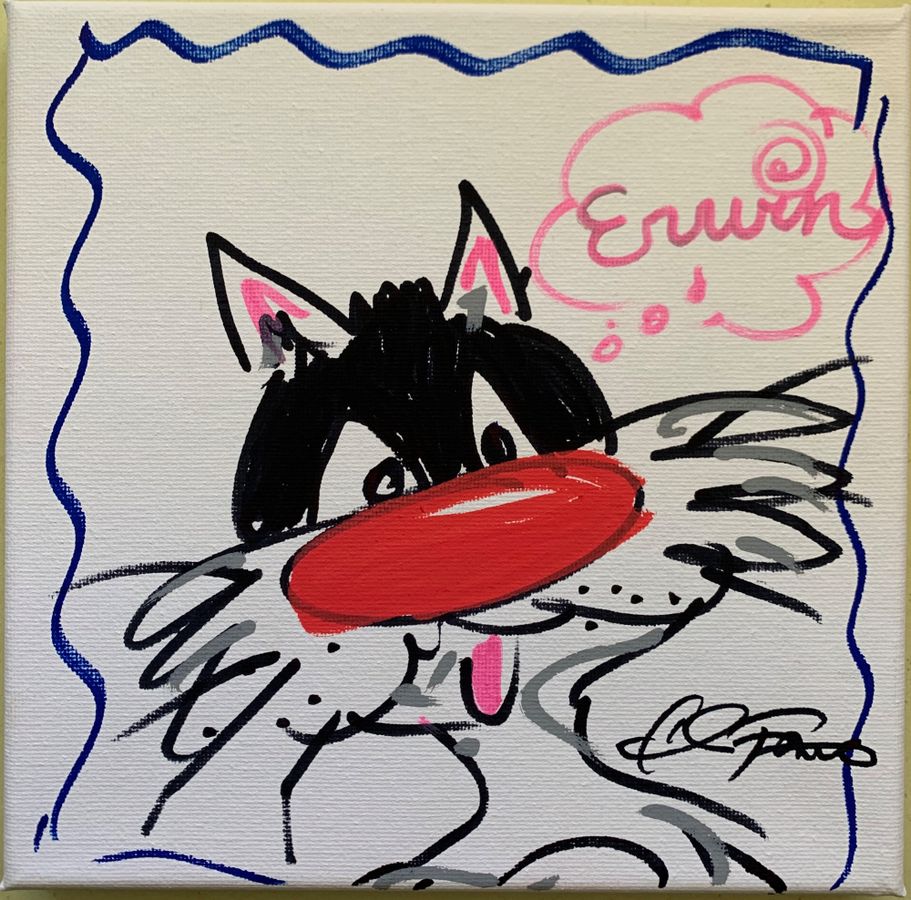
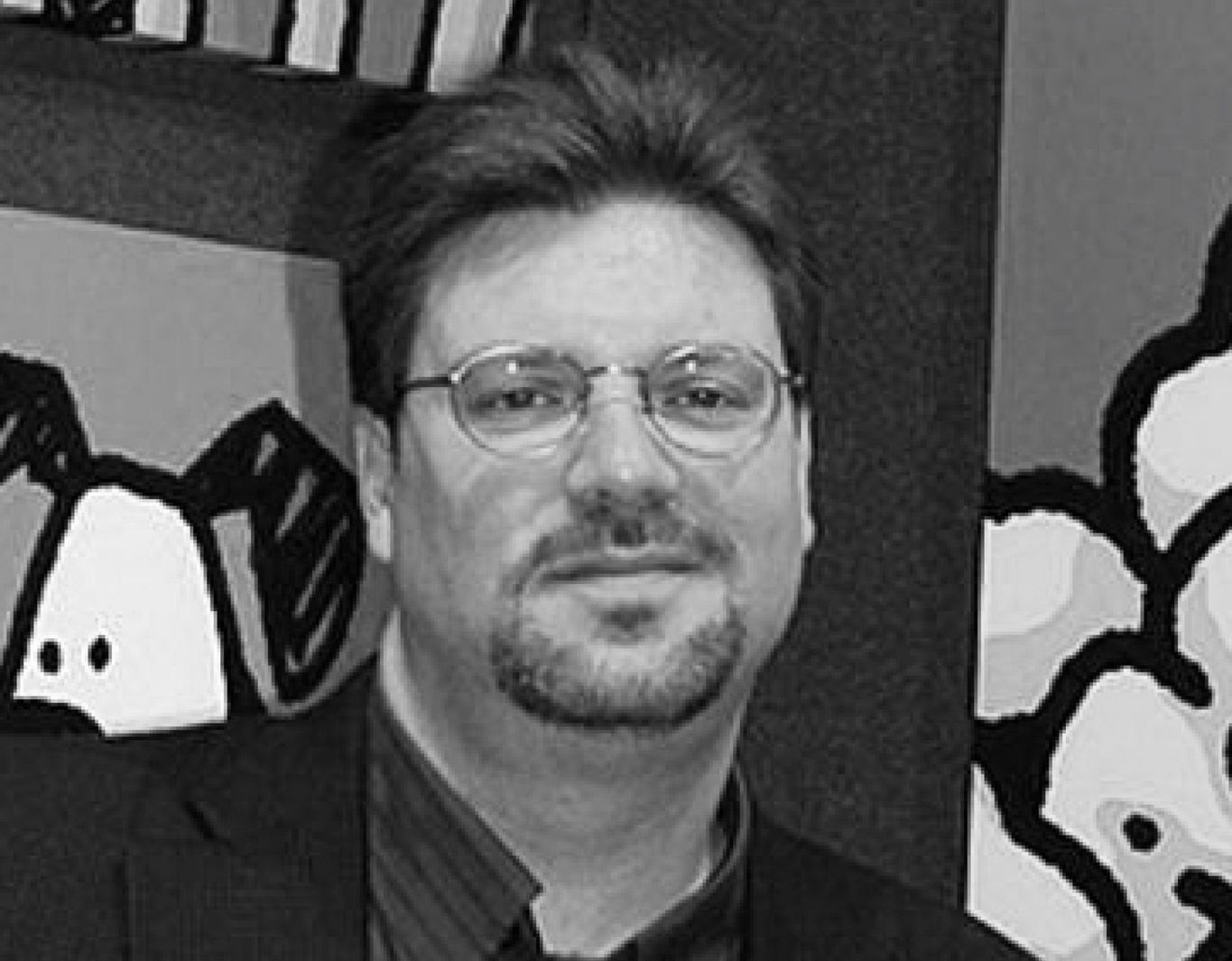
American artist Ed Heck has developed an unmistakable visual language that combines elements of Pop Art with the direct expressive power of cartoons and comics. His works are characterised by bold colours, striking black outlines and deliberately simplified figures that make his art instantly recognisable.
Animals and humorously staged everyday situations are among his favourite subjects. Behind the apparent lightness of his images lies a consistent reduction to form, colour and narrative gesture. Humour, irony and a deliberately childlike directness become essential elements of his artistic language.
Through this combination of popular visual culture and contemporary art, Heck has established a distinctive position within the American Pop Art scene. His works appeal to a broad audience through their immediate visual impact, while retaining an unmistakably personal artistic style.